
24/7 Customer Support

Free returns

Same-day & Next-day Delivery

Quality Guaranteed

Unlock Your Welcome Offers: FREE Delivery | Up to 80% OFF | Free 30-day JoyPlus trial
Download the APP
From washing up after a Sunday roast to tackling a weekend DIY project, our hands go through a lot. Using the right pair of cleaning gloves is one of the simplest ways to protect your skin from hot water, harsh detergents and general grime. But with so many options available—from thin disposables to heavy-duty reusable pairs—choosing the correct ones for the task at hand can feel overwhelming.
This guide is designed to help you navigate the choices. We will break down the key features to look for and share some of our top recommendations to help you find a practical and effective solution for your household, garden and workshop needs.
Before you add a pair to your basket, consider these three points. They will help you match the glove's features to your specific tasks.
The material of a glove determines its durability, flexibility and suitability for different tasks, especially for those with sensitive skin.
Your choice between reusable and disposable gloves will likely depend on the job.
Beyond the basic material, small details can make a big difference.
Based on their features and suitability for common UK household tasks, here are our recommendations.
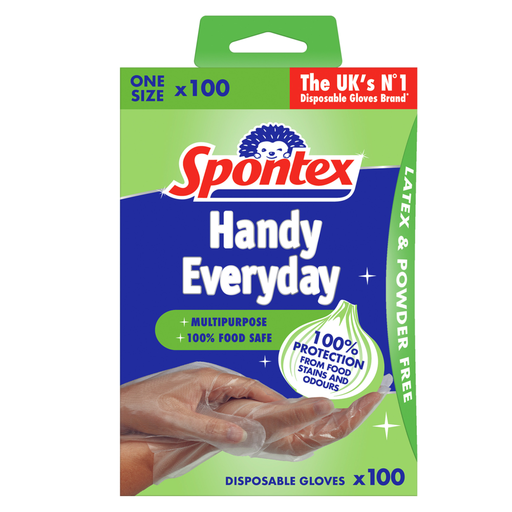
Why It Stands Out: These gloves offer a fantastic balance of convenience and safety. The latex-free and powder-free design makes them suitable for sensitive skin, and their food-safe approval provides peace of mind in the kitchen.
Pros:
Who is it for?: Anyone needing a quick, hygienic glove for a variety of tasks, from meal prep to light cleaning, especially those with latex sensitivities.

Why It Stands Out: When you need something more substantial, these heavy duty rubber gloves deliver. Made from thick natural latex, they are built to withstand abrasion and punctures during tough jobs.
Pros:
Who is it for?: DIY enthusiasts, gardeners and anyone needing robust, reusable hand protection for demanding physical tasks. Note: these are made from natural latex and are not suitable for those with a latex allergy.
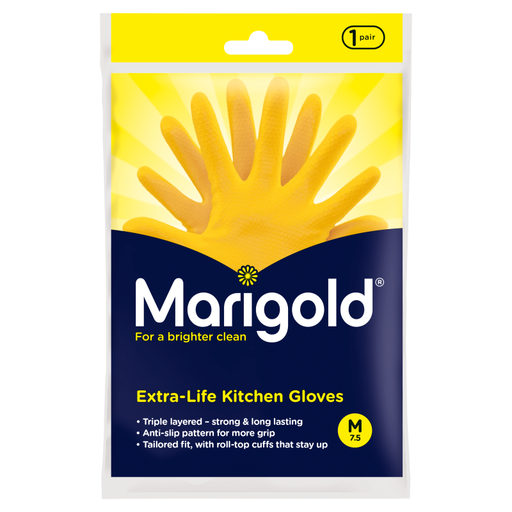
Why It Stands Out: Marigold is a household name for a reason. These gloves combine modern materials with thoughtful design, featuring a durable nitrile coating and a comfortable cotton lining for daily chores.
Pros:
Who is it for?: The everyday user who wants a reliable and comfortable pair of washing up gloves that can stand up to daily use with detergents and warm water.
If these selections aren't quite what you're looking for, there are many other styles and materials to consider. Whether you need a different size, a longer cuff or a specific chemical resistance, you can find a pair that fits your requirements.
Explore our full collection of rubber gloves to find the perfect pair for your needs.
1. What is the difference between latex and nitrile gloves? The primary difference is the material. Latex gloves are made from natural rubber, which provides great flexibility and a snug fit, but can trigger allergies. Nitrile gloves are made from a synthetic rubber, making them a safe alternative for those with latex sensitivities. They also tend to offer better resistance to punctures and chemicals.
2. Can you wash and reuse disposable gloves? It is generally not recommended. Disposable gloves are designed and tested for single-use applications to maintain a high standard of hygiene and prevent cross-contamination. Washing can degrade the material and compromise its protective barrier.
3. How do I choose the right size for washing up gloves? A proper fit is key for both comfort and function. Gloves that are too tight may tear, while gloves that are too loose can slip or allow water to get in. Many manufacturers provide a size guide on their packaging, often based on the width of your palm. The glove should feel snug without being restrictive.