
24/7 Customer Support

Free returns

Same-day & Next-day Delivery

Quality Guaranteed

Unlock Your Welcome Offers: FREE Delivery | Up to 80% OFF | Free 30-day JoyPlus trial
Download the APP
Whether you're navigating city streets on your daily commute, tackling rugged trails or watching your child learn to ride, a reliable bike helmet is a fundamental piece of cycling equipment. With so many styles and features available, choosing the right one can feel overwhelming. This guide is designed to cut through the clutter, offering practical advice to help you select a helmet that suits your specific cycling needs and safety requirements.
Before looking at specific models, it's helpful to understand the key factors that differentiate one helmet from another. Considering these points will ensure you find a helmet that offers the right combination of protection, comfort and functionality for your rides.
The ideal helmet for a leisurely park ride is very different from one designed for downhill racing.
commuter bike helmet often prioritises visibility and ventilation. Features like integrated lights, reflective details and a streamlined shape are common. They are designed for comfort during daily use in various weather conditions.mountain bike helmet typically offers more coverage, especially around the back of the head. Many include a visor to shield your eyes from sun and trail debris. For more aggressive trail riding, downhill or BMX, a full face mtb helmet provides maximum protection for the chin, jaw and face.kids bike helmet must be durable, easy to adjust and comfortable enough that they'll want to wear it. Look for robust construction and multi-sport certifications if they'll also be using it for scootering or skateboarding.A helmet can only provide its intended protection if it fits correctly. An adjustable cycling helmet is crucial for achieving a snug and secure fit. Before purchasing, measure the circumference of your head just above the eyebrows.
Modern helmets come with a range of features designed to enhance safety and comfort.
bike helmet with light—either integrated or as an attachment point—can significantly improve how visible you are to others.Based on their features, intended use and construction, here are some standout options to consider for your next purchase.
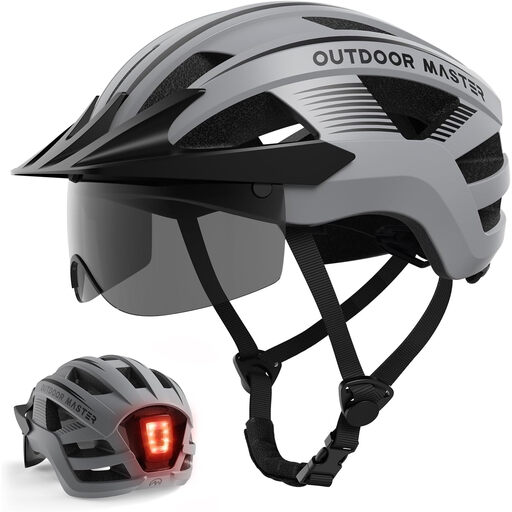
OutdoorMaster Cycling Helmet RhinoUrban With Goggles & Light
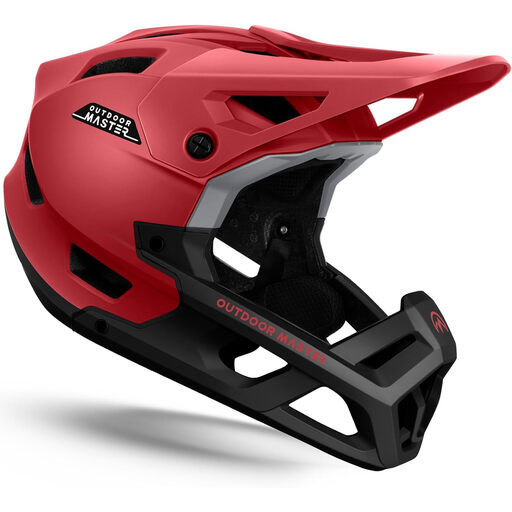
OutdoorMaster Full Face Mountain Bike Helmet
full face mtb helmet offers an advanced level of protection. It is built with a tough ABS plastic outer shell and an EPP foam inner liner. It also incorporates an EPP collarbone impact system designed to help absorb impact energy.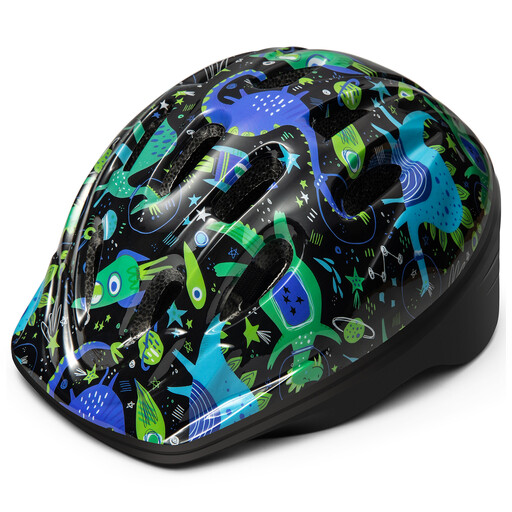
OutdoorMaster Ibex Youth & Kids Bike Helmet
kids bike helmet is built for durability and adaptability. The tough ABS shell and shock-absorbing EPS core provide reliable protection for various activities. A key feature is the inclusion of two removable liners of different thicknesses, allowing the helmet to grow with your child.These recommendations cover some of the most common cycling needs, but every rider is unique. If you're searching for different styles, colours or specialised features, you can explore our full range of unisex bicycle helmets and accessories to find the perfect match for your journey.
1. How often should I replace my bike helmet? It is widely recommended to replace your helmet after any significant impact, even if there is no visible damage, as its protective structure may be compromised. Additionally, due to the gradual degradation of materials from exposure to sweat and UV light, it's advisable to replace your helmet every 3-5 years.
2. How do I know if a bike helmet fits correctly? A well-fitting helmet should be snug but not uncomfortably tight. It should sit level on your head, with the front rim about two finger-widths above your eyebrows. The 'Y' of the side straps should meet just below your ear and the chin strap should be fastened so that you can fit no more than one or two fingers between it and your chin. An adjustable cycling helmet with a rear dial makes achieving this fit much easier.
3. Can I use a standard bike helmet for skateboarding? While some helmets, like the kids' model featured above, are certified for multiple sports, not all are. Standard bike helmets are typically designed to withstand a single, major impact. Skateboarding helmets are often designed to handle multiple, lower-force impacts. Always check the product's specified safety certifications to ensure it is appropriate for the intended activity.