
24/7 全天候客户支持

免费退货

当日/次日达

品质保障

开启新人专享福利: 全场免邮 | 低至 2 折 | 免费试用 30 天 JoyPlus 会员
下载 Joybuy
Packing a hot, comforting lunch for the workday or commute is one of the easiest ways to eat wholesome meals while cutting down on daily expenses. However, tepid soup or a soggy curry can quickly turn a midday break into a disappointment. Standard plastic sandwich boxes and unlined containers allow heat to dissipate within an hour, forcing you to queue for shared office microwaves that often alter the texture of your food. A dedicated thermal lunch box uses double-walled vacuum insulation to lock in temperature, keeping stews, pasta, rice dishes, and soups piping hot from morning until lunchtime.
Selecting the right container involves weighing capacity, structural materials, and how your meal is partitioned. Modern insulated jars frequently incorporate removable inner compartments, enabling you to separate rice from curry or protein from sides without mixing flavours before you are ready to eat. Understanding how stainless steel alloys perform against acidic ingredients and whether an auxiliary insulated carry bag suits your daily commute will help you pick a container that fits neatly into your daily routine.
A frequent mistake is assuming that a standard fabric insulated lunch bag provides the same thermal performance as a vacuum-sealed steel container. Padded fabric bags use foam linings to slow ambient heat transfer, but they generally manage only to keep pre-chilled snacks cool or prevent ambient drafts. True long-lasting warmth requires a rigid double-walled vacuum vessel where air is evacuated between two steel layers, halting conductive and convective heat loss at the container wall.
Many budget containers rely on lower-grade metal liners that react over time when exposed to acidic meals like tomato-based pasta sauces, vinaigrettes, or salty broths. While food-grade 304 stainless steel offers reliable rust resistance for everyday porridge and soups, meals with higher acidity benefit from marine-grade 316 stainless steel. Overlooking liner composition can lead to subtle metallic odours, persistent food staining, and pitted surfaces that are difficult to scrub clean.
Multi-tier lunch jars offer fantastic flexibility by separating damp sauces from grains, but not all interior trays feature independent hermetic seals. Placing a tiered jar sideways inside a rucksack can cause liquid to seep between tiers or into the outer housing if the jar specifies upright transport. Buyers who regularly carry thin broths or transport lunch in crowded commuter bags must verify whether the unit requires upright carrying or features a fully leak-proof primary lid.
The core performance of any thermal food jar depends on its vacuum barrier, which prevents heat energy from radiating outwards into the chilly morning air.
The internal steel liner dictates hygiene, flavour purity, and resistance to corrosion across years of daily contact with hot liquids.
A 1.5-litre outer jar offers substantial volume, but the presence of internal stacking trays determines how effectively you can organise balanced portions.
These three 1.5-litre vacuum insulated lunch jars offer dependable thermal retention, food-grade steel liners, and modular internal trays to suit different commuting and meal requirements.
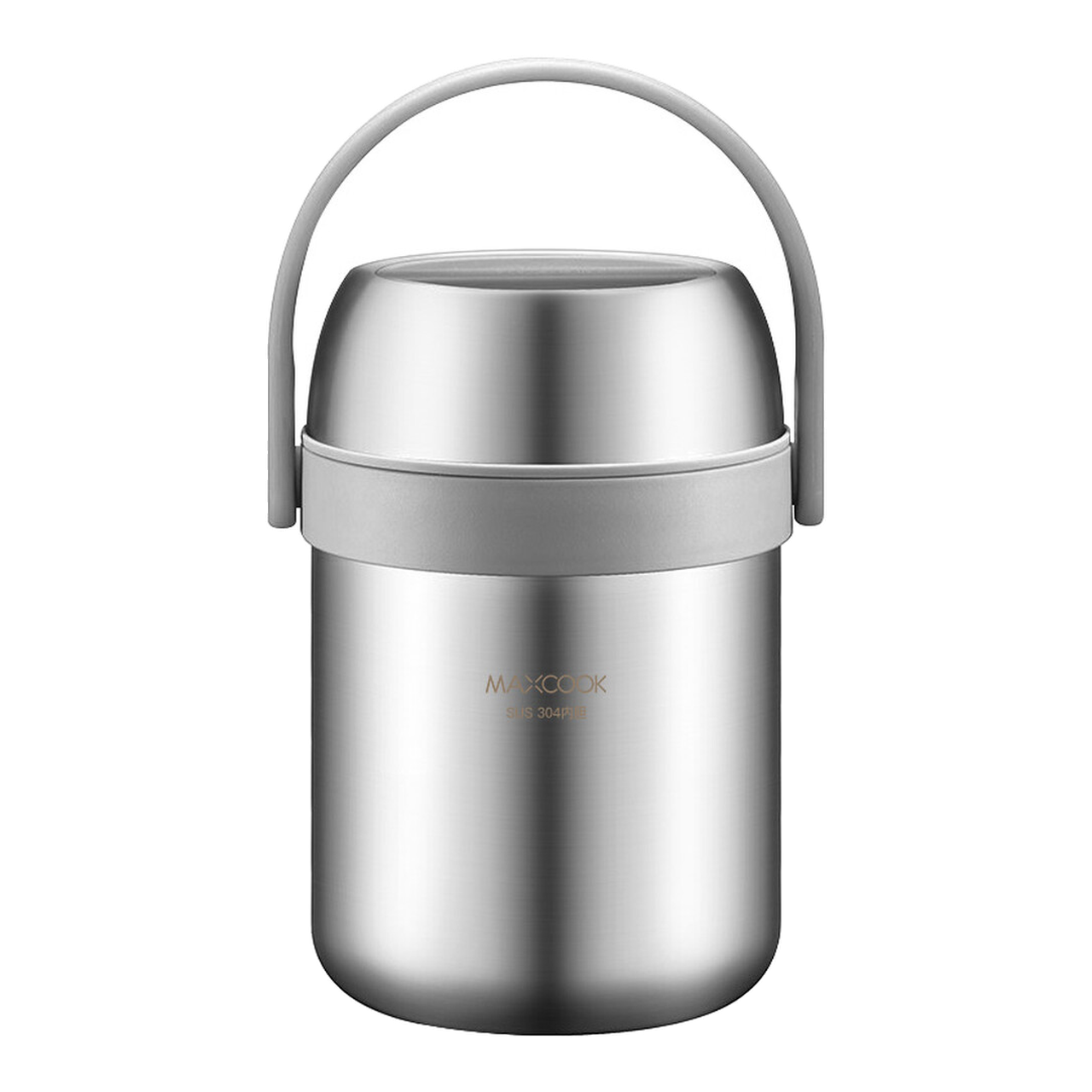
Why This Fits Their Persona: This 1.5L vacuum insulated food jar features a food grade 304 stainless steel liner combined with PP plastic components. Its tight-sealing lid keeps drinks and meals warm or chilled for 4 to 6 hours, making it a reliable vessel for straightforward weekday lunches packed before heading out the door.
Eliminates the trap of flimsy plastic tubs that go cold within an hour, providing true double-wall vacuum performance without unnecessary add-on accessories.
Includes two internal trays to organise varied food groups within a resilient 304 stainless steel body designed for simple hand washing.
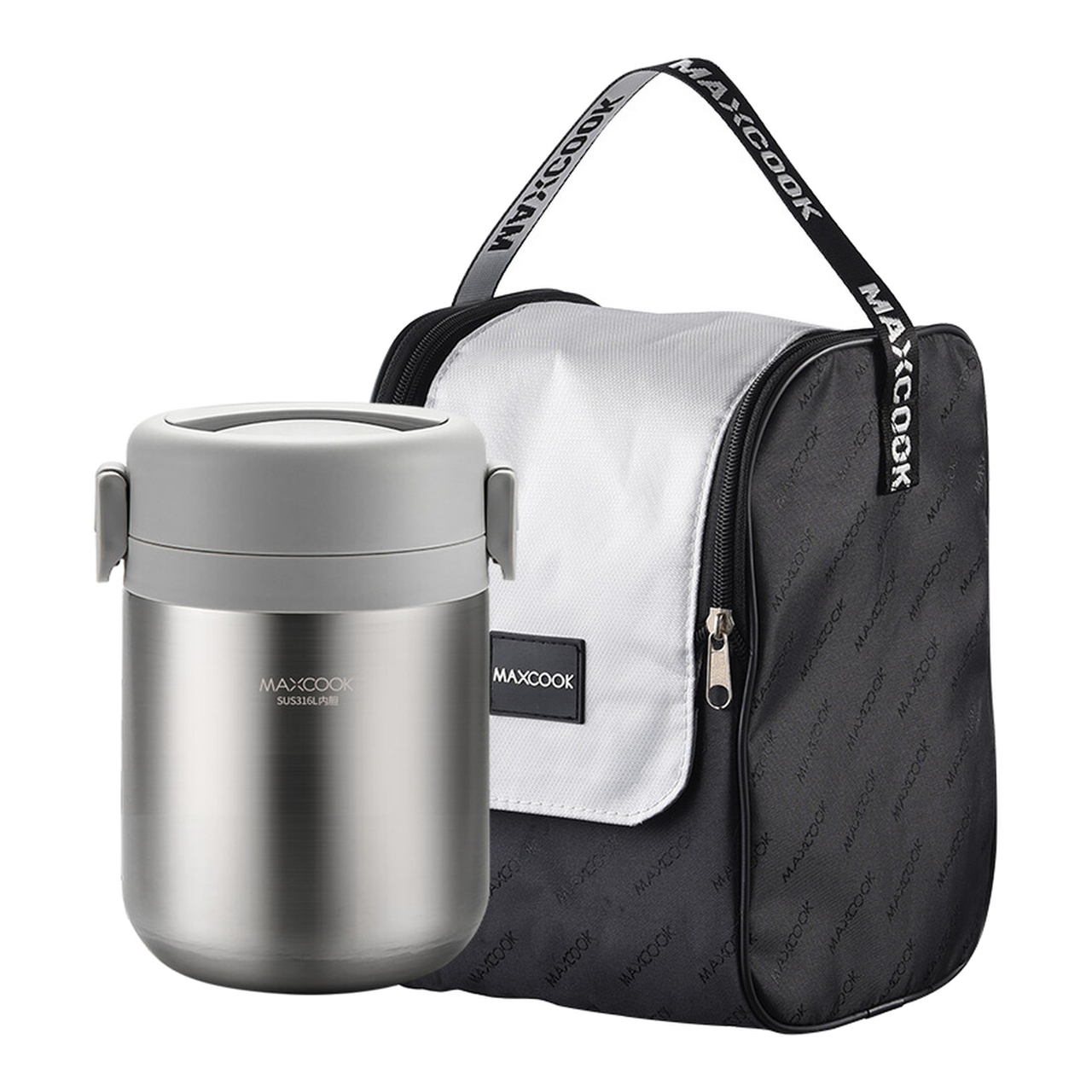
Why This Fits Their Persona: Engineered with higher-grade 316 stainless steel, this 1.5L lunch jar handles tomato-rich stews, spicy curries, and salty broths with exceptional corrosion resistance. It maintains hot or cold temperatures for 4 to 6 hours and comes complete with its own dedicated lunch bag for convenient transit on crowded trains or buses.
Avoids messy backpack spills thanks to an engineered leak-proof lid and includes a tailored carry bag so you do not have to source a separate pouch.
Combines a corrosion-resistant 316 steel interior, a generous wide mouth, two inner trays, and an included lunch bag for complete grab-and-go convenience.
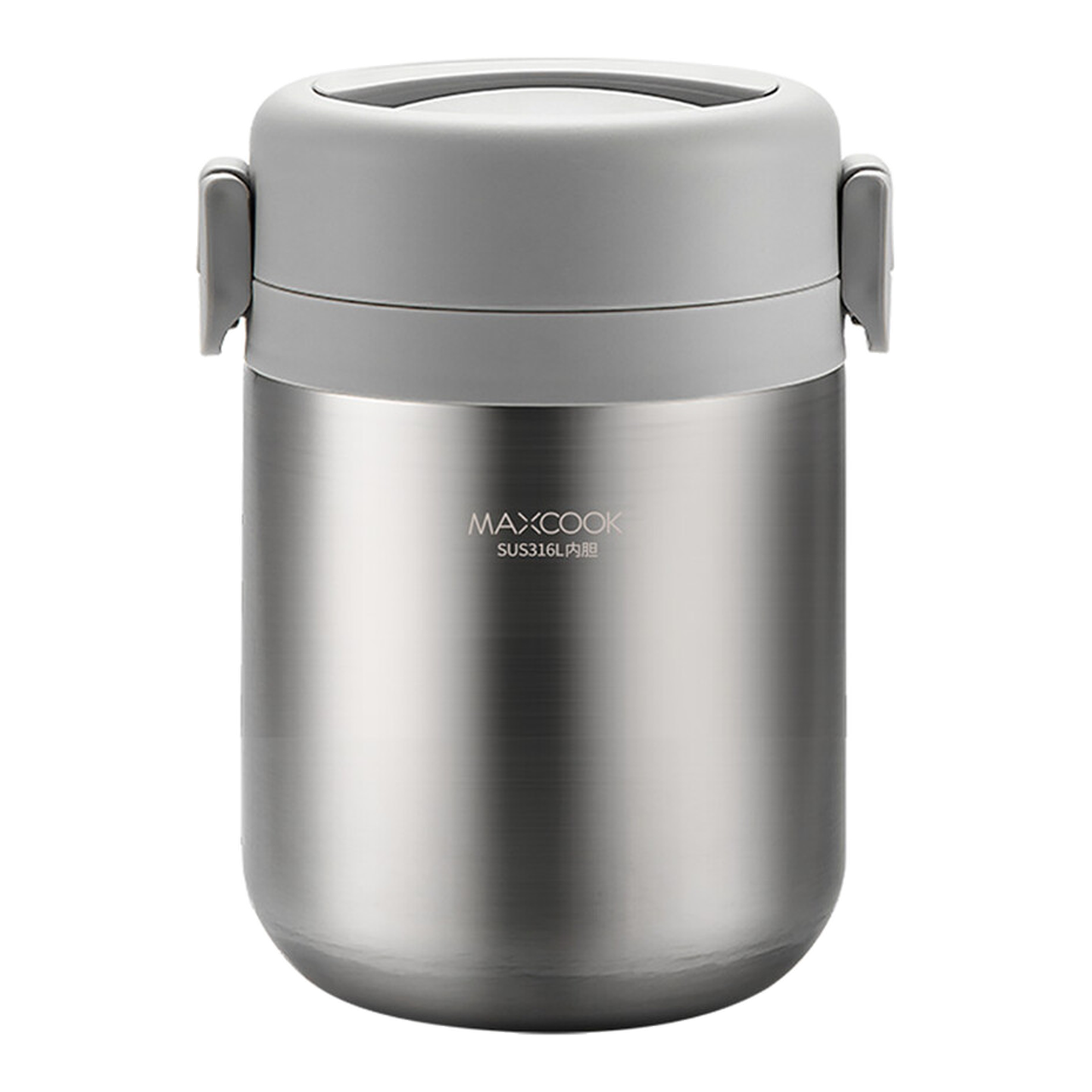
Why This Fits Their Persona: The Maxcook MCTG0856 provides a generous 1.5L capacity built with 316 stainless steel, delivering 4 to 6 hours of hot or cold thermal retention for your favourite home-cooked meals. Its wide mouth makes eating directly from the jar effortless during busy lunch breaks at your workstation.
Prevents flavour transfer and surface pitting from acidic foods thanks to the premium 316 alloy, bypassing the extra bulk of an external bag when you already carry a structured tote.
Features a robust wide-mouth vessel with two modular inner trays, ideal for upright transport in a workplace bag or cycle pannier.
If you require smaller individual soup flasks, compact snack pots, or additional lunch accessories, explore our wider collection of insulated food containers.
To get the maximum temperature performance from your thermal container, prime the interior before filling it. Pour boiling water into the flask, replace the lid loosely, and let it sit for five minutes to warm the steel lining. Discard the water, immediately load your food piping hot, and seal the lid tightly. Filling the container to capacity also minimises air pockets that cause heat loss.
No, stainless steel vacuum flasks must never be placed in a microwave oven, as the metal reflects microwave energy and causes dangerous sparking. For cleaning, hand washing is recommended. Submerging the outer flask in high-temperature dishwasher cycles can compromise the hermetic seal around the vacuum chamber and damage exterior coatings.
Both alloys are food safe and durable, but 316 stainless steel contains added molybdenum. This inclusion significantly improves resistance to chlorides, salts, and food acids. If you frequently pack tomato bases, marinades, curries, or vinegars, 316 steel offers superior protection against surface pitting, discolouration, and residual scent retention over extended daily use.