
24/7 全天候客户支持

免费退货

当日/次日达

品质保障

开启新人专享福利: 全场免邮 | 低至 2 折 | 免费试用 30 天 JoyPlus 会员
下载 Joybuy
Packing your own lunch is a smart move for your wallet, your health and the environment. But the wrong lunch box can turn a well-intentioned meal into a frustrating mess. A leaky container staining your bag, a box that warps in the dishwasher, or compartments too small for a proper meal are common issues. Before you buy another container that disappoints, let’s look at the frequent pitfalls and how to choose a lunch box that genuinely works for your daily routine.
The market is filled with options, but many fall short in practice. Here are three common issues that can lead to buyer's remorse:
To find a reliable container, focus on the core specifications rather than the marketing hype.
The material of your lunch box is the most significant factor influencing its durability, weight and use cases.
A secure seal is non-negotiable. Look for designs with multiple, sturdy clips on the lid that apply even pressure. The most effective seals incorporate a removable silicone gasket that fits snugly into a channel in the lid. This creates a tight barrier against liquids and is easier to clean thoroughly, preventing mould growth.
If you want to enjoy hot soup in winter or a chilled salad in summer, you'll need an insulated container. A thermal food flask or an insulated food jar uses vacuum insulation—a gap between two walls of stainless steel from which the air has been removed. This dramatically reduces heat transfer. A good quality flask can typically keep food hot or cold for 4-6 hours, a practical timeframe for the period between leaving home and your lunch break.
To help you choose, we've matched some practical options to different daily needs.
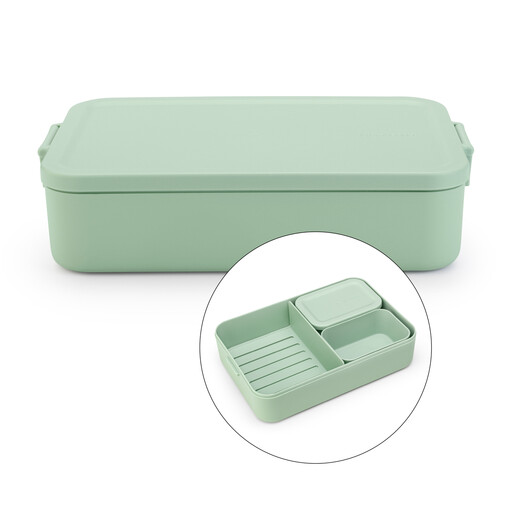
Why This Fits Their Persona: Ideal for the office professional who enjoys a varied lunch. The large 2L capacity fits sandwiches or a main salad, while the separate internal containers are perfect for fruit, nuts or a side, keeping everything fresh and separate until lunchtime.
It avoids the over-complicated compartment trap by offering flexible, removable containers and a divider, rather than a fixed, hard-to-clean grid. The secure clips provide a confident seal for solid foods.
Its main advantage is versatility. It is safe for the dishwasher, microwave (without lid) and freezer, making it a practical workhorse for daily meal prep.

Why This Fits Their Persona: Perfect for anyone who craves a hot soup, stew or curry for lunch, especially on cold days. This is a purpose-built thermal food flask designed for temperature retention, making it ideal for construction workers, teachers or anyone without access to a microwave.
It sidesteps the "microwave-safe" issue entirely by focusing on its primary function: keeping food hot. The tight-sealing lid is designed to prevent leaks of liquids like soup, addressing the most critical failure point for hot food containers.
Its core strength is the 304 stainless steel construction and vacuum insulation, which provides effective temperature retention for 4-6 hours. The wide mouth makes it easy to fill, eat from and clean.
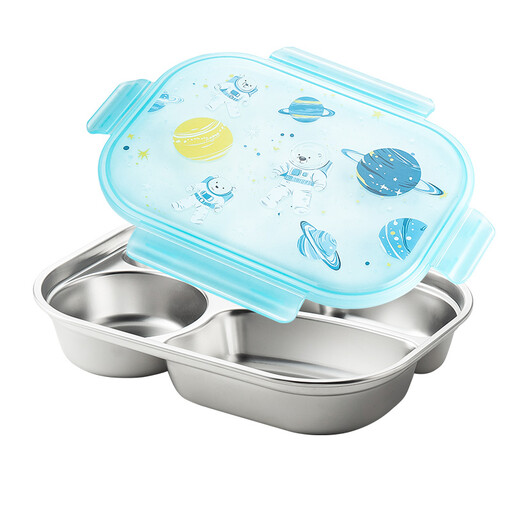
Why This Fits Their Persona: An excellent choice for a durable **kids lunch box** that is also suitable for adults. The **316L stainless steel** is tough, rust-resistant and won't retain odours. The four compartments are practical for separating a main, a vegetable and a snack without being overly complex.
This box is built for longevity, avoiding the trap of flimsy plastics that degrade. The four-buckle lid provides a secure closure, offering more confidence than single-latch designs often found on a lunch box for adults or children.
The use of 316L stainless steel offers superior corrosion resistance compared to standard grades. It's a long-term investment in a safe, durable and easy-to-clean lunch solution.
We have compiled a complete, real-time list of products that fully satisfy these strict selection criteria and UK safety regulations.
For stainless steel and plastic, wash promptly after use with warm, soapy water. For stubborn smells like curry or garlic, make a paste of bicarbonate of soda and water, apply it to the inside of the box, let it sit for an hour and then wash as normal. Always let the container and its lid air dry completely before storing to prevent musty smells.
No, this is a very common misconception. Most bento-style lunch boxes are designed to keep solid or thick foods separate, but they are not sealed between the internal compartments. Thin liquids like dressings or sauces will likely leak from one section to another unless you use separate, smaller sealed pots within the main box.
Both are high-quality, food-safe stainless steels. The primary difference is that 316 stainless steel contains molybdenum, which significantly enhances its resistance to corrosion, particularly from salts and acids. While 304 is perfectly adequate for most uses, 316 offers an extra level of durability and is a superior choice if you frequently pack acidic foods like tomato-based sauces or vinaigrettes.