
24/7 Customer Support

Free returns

Same-day & Next-day Delivery

Quality Guaranteed

Unlock Your Welcome Offers: FREE Delivery | Up to 80% OFF | Free 30-day JoyPlus trial
Download the APP
Kitchen cleaning scourers and cloths can look similar on a product page, yet their materials and surface suitability vary considerably. A pad that removes burnt-on food may leave marks on a non-stick pan, while a soft microfibre cloth may struggle with baked-on grease.
For UK households, the right choice usually depends on three things: the surface being cleaned, the level of dirt involved and how easily the item can be washed and reused. This guide highlights common buying traps, practical specifications to check and suitable options for different cleaning routines.
Non-scratch scourers are generally designed to be gentler than abrasive metal or heavy-duty fibres, but “non-scratch” does not remove the need for care. Coatings, polished finishes and damaged surfaces can still mark if excessive pressure or unsuitable cleaning products are used.
Always check the product directions. For valuable cookware, test on a small, hidden area first and use a dedicated non-stick pan scourer rather than a general-purpose heavy-duty pad.
Heavy-duty scourer pads are useful for oven racks, grills and burnt-on food. However, they are unnecessary for worktops, cupboard doors, glass or coated cookware. A rough pad used daily can cause avoidable surface wear.
A two-level cleaning set is often more practical: use a reusable cleaning pad or microfibre cloth for everyday spills, then keep heavy-duty scourers for occasional stubborn residue.
Some antibacterial cleaning cloths and pads are treated to help limit bacterial growth on the item between uses. This does not replace rinsing, washing or thorough drying. A damp cloth left folded beside the sink can develop odours and become less pleasant to use, regardless of its treatment.
Rinse after each use, wring out excess water and air-dry fully. Keep separate cloths for food preparation areas, bathrooms and floors to reduce cross-use.
Microfibre combines fine fibres that can lift dust, moisture and everyday marks. Microfibre cleaning cloths are particularly suitable for worktops, appliances, taps and general wiping. A waffle or diamond texture can improve absorption or help lift fingerprints without requiring strong chemical cleaners.
Synthetic scouring fibres provide more friction for dried food and grease. Metal scourers, including stainless steel versions, are intended for robust cookware and grills rather than delicate or coated surfaces.
Match the product to the surface:
Look for clear care instructions, including whether the item can be machine-washed and the maximum temperature. A pad that can be rinsed, washed and air-dried is more practical for regular UK household use.
Dimensions also matter. A larger pad covers worktops quickly, while a smaller piece may be easier to control around taps, grout lines and pan handles. Some washable scourer pads can be cut down for detailed jobs, but check that fibres do not detach during use.
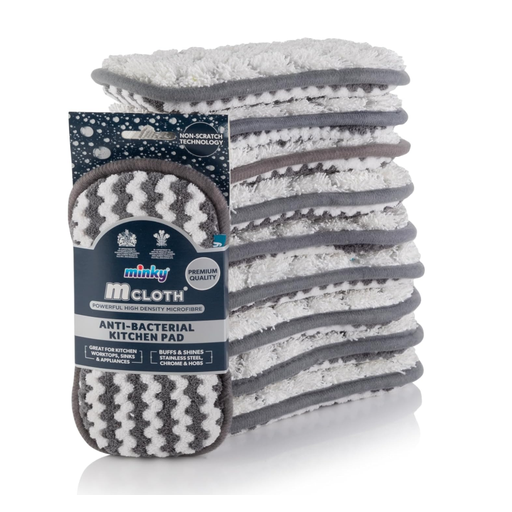
Why This Fits Their Persona: A versatile option for renters, students and households setting up a practical everyday cleaning kit. Its two-sided design covers scrubbing, absorbing and finishing with one reusable pad.
The chequered side is described as non-scratch for grime removal, while the 3D waffle microfibre side absorbs and buffs. This reduces the need to buy separate everyday pads and cloths.
Reusable polyester/polyamide construction; suitable for worktops, cupboards, pots and pans when used according to the care instructions.
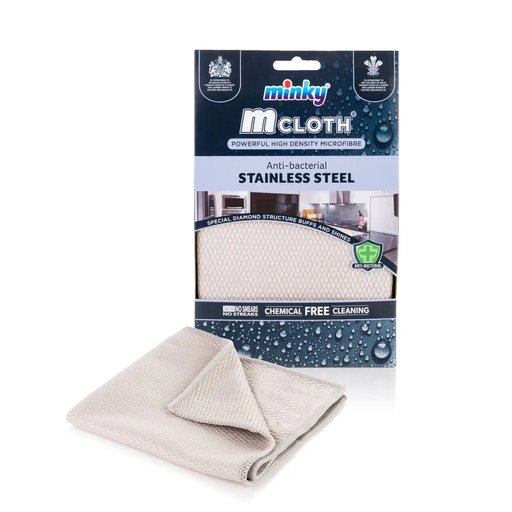
Why This Fits Their Persona: Suitable for home cooks who want a dedicated finishing cloth for visible kitchen surfaces such as cooker hoods, hobs, taps and bins.
It is designed for buffing rather than aggressive scrubbing, helping avoid the mistake of using a rough pad to remove fingerprints and light marks.
Diamond-structure microfibre; listed for stainless steel, chrome, granite and ceramic tiles, with use without chemicals.
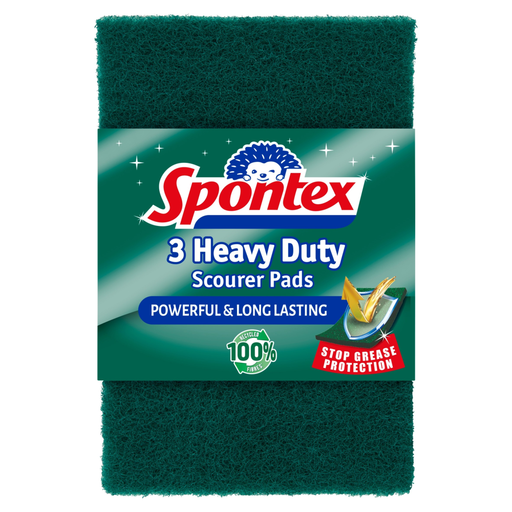
Why This Fits Their Persona: A practical match for frequent home cooks and households cleaning baking trays, oven racks, BBQ grills and other robust kitchen equipment.
Its intended use is tough residue rather than delicate finishes. The product information also warns against non-stick cookware, polished surfaces and delicate glass.
Pack of three 10 × 15 cm pads; made with 100% recycled fibres and listed as washable up to 60°C.
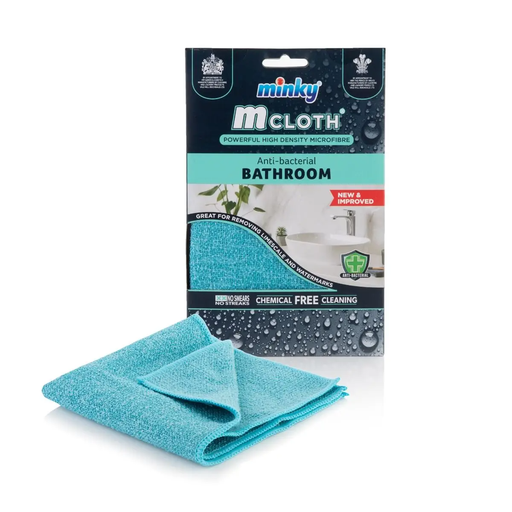
Why This Fits Their Persona: Designed for households that want a separate reusable cloth for bathroom limescale and daily grime rather than transferring kitchen cloths between rooms.
The dual-sided construction separates limescale removal from wiping, avoiding the need to use a highly abrasive pad across bathroom fittings.
Tightly woven polyester/polyamide microfibres; washable and reusable according to the listed care instructions.
They can reduce the number of disposable items needed when they are washable and remain effective over repeated use. Actual value depends on purchase price, washing requirements and replacement frequency. Air-drying after each use can also help avoid premature replacement caused by persistent dampness.
Generally, avoid doing so unless the product specifically states that it is suitable. Heavy-duty fibres and metal scourers can damage non-stick coatings. Choose a non-scratch scourer designed for non-stick cookware, apply light pressure and follow the pan manufacturer’s care guidance.
There is no universal replacement period. Replace them when they become worn, lose their texture, develop a persistent odour or can no longer be cleaned properly. Separate bathroom and kitchen items, wash them as directed and allow them to dry completely between uses.