
24/7 Customer Support

Free returns

Same-day & Next-day Delivery

Quality Guaranteed

Unlock Your Welcome Offers: FREE Delivery | Up to 80% OFF | Free 30-day JoyPlus trial
Download the APP
The rising popularity of Korean culture, from K-dramas to K-pop, has brought the vibrant flavours of its cuisine into many UK kitchens. Yet, as the selection of Korean cooking sauces on supermarket shelves grows, so does the confusion. It's easy to end up with a pantry full of jars that promise authenticity but deliver a flat, overly sweet taste. As a Joybuy Product Recommendation Officer, my role is to help you navigate the options and choose the right products for the delicious meals you want to create.
Before you buy, be aware of a few common pitfalls that can lead to disappointing results and wasted money:
To make an informed choice, it helps to understand a couple of core distinctions. Focusing on these will ensure you get a product that truly delivers on flavour.
The first step is to distinguish between a foundational paste and a ready-to-use sauce.
An authentic Korean paste or sauce starts with quality ingredients. When you check the label, look for fermented soybeans, rice and red pepper powder to be listed prominently. If the first few ingredients are water, sugar or corn syrup, the product is likely to be a diluted, sweeter version of the real thing. Traditional recipes often use fruit purees, like pear, for a more natural and complex sweetness in marinades like a bulgogi marinade.
To help you choose, we've matched some reliable products to common cooking goals.
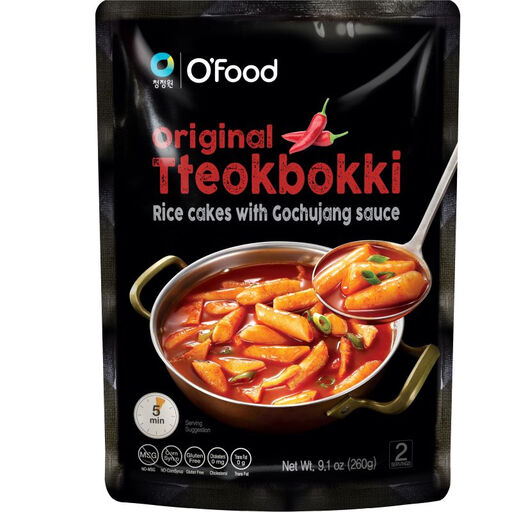
Why This Fits Their Persona: Perfect for anyone inspired by Korean street food scenes in popular media. This sauce removes the guesswork, providing the exact flavour profile needed to create authentic, spicy and savoury rice cakes (tteokbokki) at home in minutes.
It is specifically formulated for one dish, avoiding the blandness of a "one-size-fits-all" sauce. The flavour is concentrated and balanced for an authentic Korean street food experience.
Extremely convenient, with a cooking time of around 4-5 minutes. The single-use pouch ensures freshness and correct portioning for a typical meal.

Why This Fits Their Persona: This sauce is ideal for anyone looking to host a Korean BBQ at home. It's specifically designed as a marinade for classic dishes like Bulgogi (beef) and Galbi (ribs), delivering that signature sweet and savoury glazed finish.
It avoids the sugar-overload trap by using pear puree for a more complex, traditional sweetness alongside soy, garlic and ginger. It is a dedicated BBQ sauce, not a generic condiment.
This sauce doubles as a marinade to tenderise meat and a glaze for basting during cooking. Its rich texture clings well to meat for a perfect, even coating.
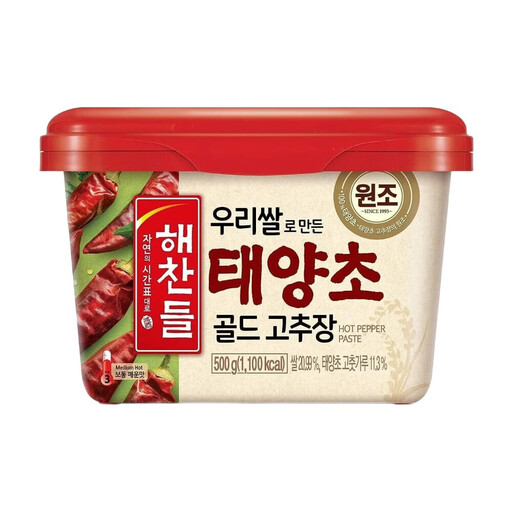
Why This Fits Their Persona: This is a foundational pantry staple for anyone serious about cooking a variety of Korean dishes. As a versatile red pepper paste, it's the authentic base for everything from bibimbap sauce and stews (jjigae) to spicy marinades.
This is a true fermented paste, not a diluted sauce. Its ingredients deliver a complex, umami-rich flavour profile that is spicy, savoury and slightly sweet, providing the authentic depth that sugar-heavy sauces lack.
Highly versatile and economical. A single tub can be used across dozens of recipes, and its concentrated nature means a small amount provides a big flavour impact.
We have compiled a complete, real-time list of products that fully satisfy these strict selection criteria and UK safety regulations.
Once opened, fermented pastes like gochujang and doenjang should be stored in the refrigerator. Due to their high salt content and fermented nature, they have a long shelf life, often lasting for up to a year. Always use a clean utensil to scoop out the paste to prevent contamination. You may notice the colour of gochujang darkens over time; this is a natural oxidation process and does not mean it has spoiled.
The primary difference lies in their core ingredients and flavour. Gochujang is a spicy, slightly sweet and savoury red pepper paste, getting its heat and colour from chilli powder. It's used in dishes like bibimbap and tteokbokki. Doenjang, on the other hand, is a purely savoury and salty soybean paste, similar in some ways to Japanese miso but with a more robust, earthy flavour. It is the essential base for stews like doenjang-jjigae and is often used in dipping sauces.
Yes, absolutely. While traditionally used for beef, a bulgogi marinade is very versatile. Its sweet and savoury flavour profile works wonderfully with chicken (often called dak bulgogi), pork and even firm tofu or mushrooms. The marinade helps to tenderise the protein and creates a delicious caramelised glaze when cooked.