What matters when choosing?
Start with your organisation’s device and software requirements, then check the exact laptop configuration against the way you test and the desks you use.
| Concern |
What to check |
Who this matters to |
| Shared-desk privacy |
Check approved-device requirements and whether the exact configuration has any privacy feature you need. A camera shutter does not prevent others seeing the display. |
If checkout work puts personal data or test credentials within sight of others, I need an approved device and a screen position that limits casual viewing; around 29% of consumers put this privacy need first. |
| Browser-testing workflow |
Confirm compatibility with your browsers, developer tools, proxy or VPN, and automation software; check the display and memory configuration. |
When I need the checkout page, developer tools and test information open together, I want a setup that accommodates that workflow; around 29% of consumers place it first. |
| Changing-desk setup |
Check the exact ports, dock and external-display support, including the intended charging arrangement. |
If I work for extended periods at different desks, I need a workable screen and peripheral arrangement each time; around 24% of consumers make this their primary concern. |
| Portability for short sessions |
Compare the laptop’s size and weight with the screen space and connections your sessions require. |
For brief browser-led checks across several desks, I would rather carry a compact laptop, provided it still runs my required tools; around 18% of consumers prioritise that balance. |
Joybuy laptop choices for checkout testing
These laptops offer different screen sizes and configurations for browser-led checkout work. Match any choice to your approved software, shared-desk privacy needs and intended monitor or dock before ordering.
 No image available
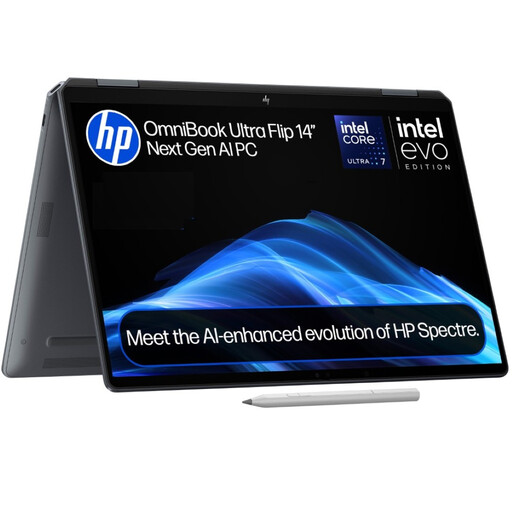
HP OmniBook Ultra Flip 14-fh0006na 2-in-1, 16 GB RAM, 1 TB SSD
Consider this 2-in-1 for checkout testing if its Windows 11 Home configuration supports your required tools.
Confirm the exact graphics specification before relying on it, and check the ports and any screen-privacy requirements for your desk setup.
View on Joybuy
 No image available
ASUS Vivobook 14 X1407QA-LY003W, Snapdragon X, 16 GB RAM, 512 GB SSD
This 14-inch option may suit shorter browser-led sessions if your required tools run on its Snapdragon X configuration.
Check compatibility with each browser, automation tool, proxy or VPN and approved application you use; confirm any screen-privacy feature separately.
View on Joybuy
 No image available
ASUS Vivobook 15 X1504VA, Intel Core 5 120U, 24 GB RAM, 1 TB SSD
The stated 15.6-inch screen is worth considering if you intend to view a checkout page and test material on the laptop itself.
Check whether its USB Type-C ports support your intended display or dock, and confirm any screen-privacy requirement.
View on Joybuy
 No image available
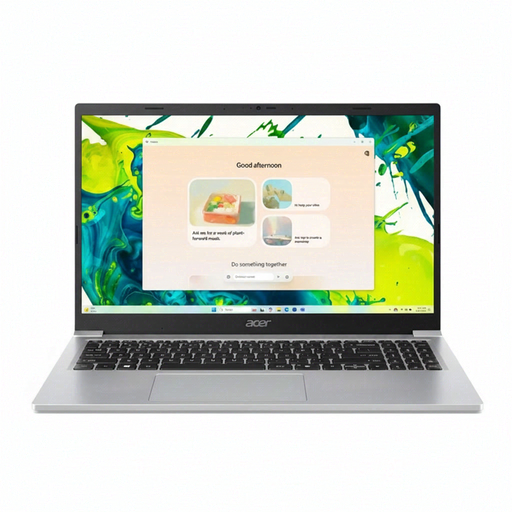
Acer Aspire Lite AL15-36P-C29Z, Intel N150, 8 GB RAM, 128 GB SSD
This 15.6-inch configuration is an option to assess for shorter checkout checks, provided its memory and storage meet your workload.
Confirm whether the installed Windows 11 Home configuration is in S Mode before checking tool compatibility. Also verify USB-C display output and any screen-privacy requirement.
View on Joybuy
 No image available
HP OmniBook X Flip 16-as0004na 2-in-1, Intel Core Ultra 5 226V, 16 GB RAM, 512 GB SSD
The stated 16-inch touchscreen may appeal if you expect to work mainly at a desk and want space for checkout pages and test material.
Confirm that its ports support your intended monitor or dock. A camera shutter does not prevent nearby people from viewing the screen, so check any display-privacy requirement separately.
View on Joybuy
Frequently asked questions
Does display-screen-equipment guidance cover hot-desking?
Yes, hot-desking is included in the Health and Safety Executive’s guidance for workers whose display-screen-equipment use meets its stated conditions, including daily use for continuous periods of an hour or more. If you change desks regularly, assess the workstation setup rather than assuming a particular laptop model resolves it.
Do I need a privacy-screen laptop for shared-desk checkout testing?
Choose a privacy-screen option according to the visibility risk and your organisation’s requirements, not as a substitute for approved technology and careful screen positioning. The Information Commissioner’s Office advises using approved technology for personal data and reducing the chance that a screen can be overseen.
Can Chrome Device Mode replace tests on real phones and browsers?
No, not when checkout acceptance depends on behaviour in those environments. Chrome for Developers describes Device Mode as an approximation and advises testing on real browsers and devices to establish how they behave.
What should I check before choosing a dock?
Match the dock to the exact laptop variant and your intended display, charging and peripheral setup. Microsoft lists different USB specifications across Surface Laptop sizes, illustrating why a family name alone is not enough to establish dock compatibility.
Can I use my own laptop when checkout tests involve personal data?
Use it only if your organisation approves that device and its way of accessing and handling the data. The Information Commissioner’s Office advises using approved technology for personal data; a laptop’s technical ability to run the test tools does not itself establish organisational approval.


