
24/7 Customer Support

Free returns

Same-day & Next-day Delivery

Quality Guaranteed

Unlock Your Welcome Offers: FREE Delivery | Up to 80% OFF | Free 30-day JoyPlus trial
Download the APP
Choosing men’s deodorant is rarely as simple as selecting a familiar fragrance. The right product depends on whether you want to control odour, reduce sweat, avoid clothing marks or use a formula suited to sensitive skin. A deodorant that works well for a sedentary office day may not be the right choice for cycling, gym sessions or long shifts.
This guide explains the key differences between formats and formulas, highlights common buying traps and matches selected products to practical UK shopping needs.
A standard deodorant mainly helps manage body odour through fragrance and odour-control ingredients. An antiperspirant is designed to reduce underarm wetness and usually contains an aluminium-based active ingredient.
If sweat control is your priority, look specifically for terms such as anti-perspirant, sweat protection or 48-hour protection on the packaging. If you mainly want a fresh scent without aluminium salts, an aluminium-free deodorant for men may be more suitable.
Labels such as “48-hour deodorant for men” describe the product’s stated protection period under specified conditions. They do not mean that one application will always perform identically through two full days, particularly after intense exercise, showering or heavy perspiration.
Consider your routine instead. Daily users may only need comfortable all-day protection, while active users may prefer a formula labelled for sport, motion or stronger sweat control.
An invisible deodorant may be formulated to reduce white marks on dark clothing or yellow staining on lighter fabrics, but application technique still matters. Spraying too closely, applying too much or dressing before the product dries can transfer residue.
For sprays, hold the can around 15cm from clean, dry underarms, use short bursts and allow the product to dry. With a stick, apply an even, light layer rather than repeatedly going over the same area.
Check the active ingredients and product type. Common antiperspirant ingredients include aluminium chlorohydrate, aluminium zirconium compounds and aluminium sesquichlorohydrate. These products are intended for sweat and odour protection.
Aluminium-free deodorant for men can still provide odour protection, but it should not be selected when reducing perspiration is the main requirement. Product descriptions and ingredient lists can occasionally differ between listings and packaging, so check the container before use.
A men’s deodorant spray dries quickly and can feel light, making it practical after a shower or before commuting. Aerosols are flammable and should be used in a well-ventilated area, away from flames, heat and direct inhalation.
A men’s deodorant stick offers more targeted application and avoids aerosol propellants. It can be convenient for a gym bag or bathroom shelf, although some formulas may leave visible residue if over-applied. Look for a dry, smooth application if you regularly wear dark shirts.
Fragrance lasts differently on each person, so descriptions such as citrus, woody, oceanic or spicy are useful indications rather than guarantees. If you have easily irritated skin, consider a sensitive skin deodorant for men, an alcohol-free formula or a product with skin-care ingredients. Avoid applying any deodorant to broken, irritated or freshly damaged skin, and stop use if a rash or discomfort develops.
Also check allergens in the ingredient list, including fragrance components such as limonene, linalool, coumarin and geraniol. “Dermatologically tested” describes a product assessment, but it does not guarantee that every user will tolerate the formula.
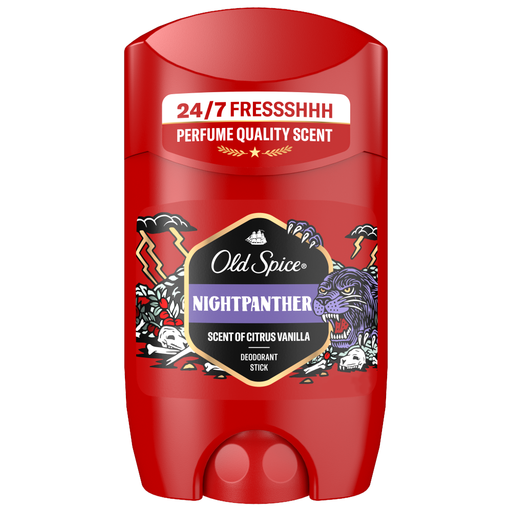
Why This Fits Their Persona: A solid stick is straightforward to apply, easy to store and suitable for shoppers who want everyday odour protection without an aerosol can. Its dark chocolate, spicy citrus and vanilla fragrance may suit users who prefer a more noticeable scent.
The listing identifies it as containing 0% aluminium salts, helping shoppers distinguish odour control from sweat reduction. Apply lightly to reduce transfer onto clothing.
50ml solid stick; aluminium-salt-free listing; smooth, dry application and a clearly described fragrance profile.
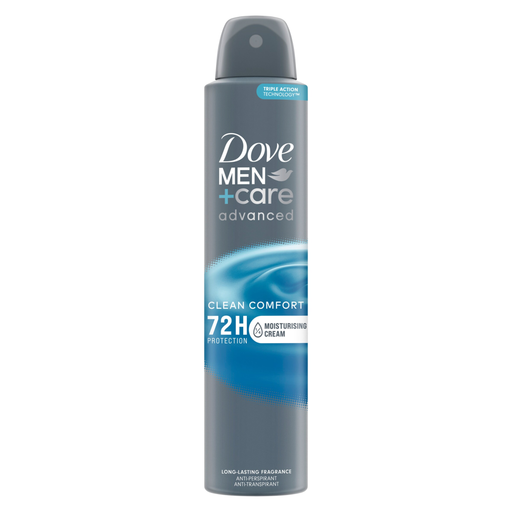
Why This Fits Their Persona: This option suits shoppers who want sweat and odour control alongside a subtle scent and skin-care positioning for daily use.
Its stated protection period is presented as up to 72 hours, while the formula includes moisturising cream. This gives buyers more detail than relying on a vague “all-day” label.
200ml aerosol; aluminium-based antiperspirant ingredient; moisturising cream and clean, subtle scent.
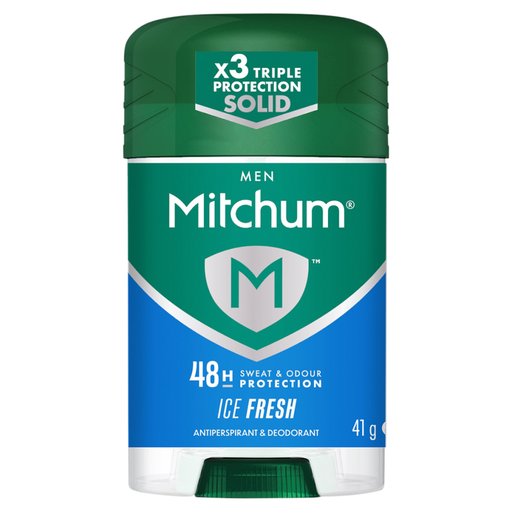
Why This Fits Their Persona: The compact stick format is practical for commuters, shift workers and active users who prioritise sweat and odour control in a small bathroom or travel bag.
It is clearly labelled as an antiperspirant and deodorant, rather than relying only on a fragrance-led odour claim. The listing states 48-hour sweat and odour protection.
41g twist-up stick; aluminium zirconium ingredient; Ice Fresh scent and stated protection against sweat and odour.
We have compiled a complete, real-time list of products that fully satisfy these strict selection criteria and UK safety regulations.
An antiperspirant is generally the more relevant format because it is designed to reduce underarm wetness as well as manage odour. Check for an aluminium-based active ingredient and follow the product directions. Deodorant without antiperspirant ingredients may still be useful if odour, rather than perspiration, is your main concern.
There is no single lifespan for every product. Aerosol and stick packaging normally includes a period-after-opening symbol, batch information or other packaging guidance. Store deodorant in a cool, dry place and replace it if the smell, texture or application changes noticeably.
Running cost depends on the pack size, price and how much you apply. A 200ml compressed aerosol may provide a similar number of sprays to a larger conventional can, according to its product description, while a stick can make application more controlled. Comparing price per 100ml or per gram is a practical way to assess value.