
24/7 Customer Support

Free returns

Same-day & Next-day Delivery

Quality Guaranteed

Unlock Your Welcome Offers: FREE Delivery | Up to 80% OFF | Free 30-day JoyPlus trial
Download the APP
For many UK households, choosing a non-bio laundry detergent is about more than removing everyday dirt. The right formula may need to suit sensitive skin, baby clothes, wool jumpers, silk garments, hard water and lower-temperature washing, while also fitting your preferred approach to fragrance, packaging and dosing.
However, product descriptions can make comparison difficult. A compact strip may be described as “ultra-concentrated”, while a liquid may offer more flexibility for pre-treating stains. A detergent labelled “plant-based” may still contain fragrance or preservatives that do not suit every household. Before buying, look beyond the front of the pack.
“Non-bio” generally refers to a formula made without biological enzymes. It does not automatically mean that the product is fragrance-free, preservative-free or suitable for every person with skin sensitivities.
Check the ingredient information for perfume, fragrance allergens such as linalool or limonene, and preservatives including isothiazolinones. If your household prefers a neutral wash, a fragrance-free laundry detergent is a more precise search than non-bio alone.
A bottle or packet claiming many washes may require a larger dose for hard water, heavy soiling or a larger drum. For a fair comparison, calculate the approximate cost per wash, using the standard dose and the dose recommended for your local water hardness.
A concentrated laundry detergent can reduce packaging and storage space, but only if it is dosed accurately. Overdosing adds cost and may leave residue; underdosing can result in repeat washes.
Plant-based laundry detergent and eco-friendly laundry detergent options can reduce reliance on certain ingredients or bulky packaging, but “eco” does not describe every part of a product’s impact. Consider the formula, bottle or wrapper, transport weight, refill system and washing temperature.
Laundry detergent strips or washing sheets are lightweight and avoid transporting water in a large bottle. They can be practical in smaller UK homes, but always check the recommended dose for hard water and heavily soiled loads.
A non-bio formula is made without biological enzymes, which some households prefer for baby laundry, children’s clothing or sensitive skin washing liquid. Nevertheless, non-bio does not mean chemical-free, and every detergent should be handled according to its label.
For sensitive skin, compare:
No laundry detergent can be guaranteed suitable for everyone with a serious skin condition. If irritation occurs, stop using the product and seek appropriate medical advice.
Standard non-bio detergent may be suitable for cottons, towels and everyday clothing, but wool and silk need more careful treatment. A delicate laundry detergent or wool and silk detergent is usually formulated for fine fibres and may be suitable for hand washing as well as machine cycles.
Always follow the garment care label. Washing temperature, spin speed and drying method can affect fabric lifespan just as much as the detergent.
Choose the format that matches your routine:
The washing machine’s capacity matters too. A 4–5kg load may require a different dose from a 7–8kg load, particularly in hard-water areas.
The following selection matches different household needs rather than presenting one universal choice.
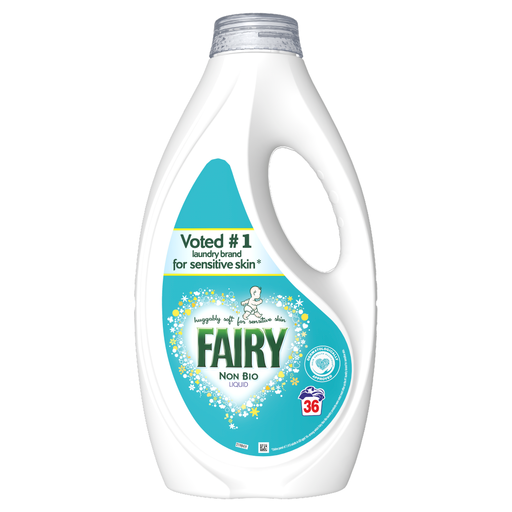
Why This Fits Their Persona: A familiar liquid format for households starting to compare sensitive-skin laundry care without changing their usual measuring routine.
The listing provides a stated 36-wash quantity and dosing guidance, making cost-per-wash comparisons more straightforward than relying on vague value claims.
Liquid format; can be used for pre-treating stains; labelled as non-bio and intended for sensitive skin.
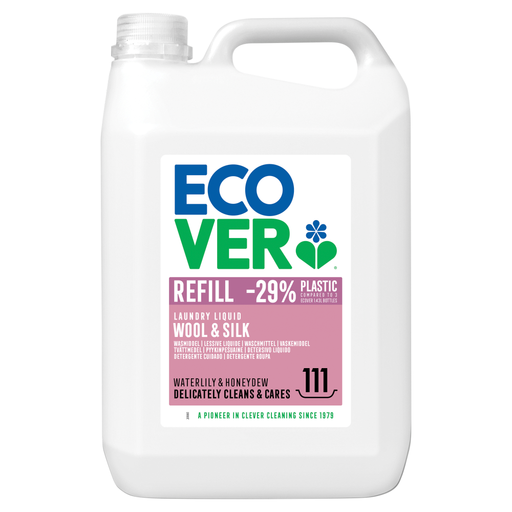
Why This Fits Their Persona: Suitable for shoppers prioritising fabric care, refill packaging and a plant-based formula for woollens and silk.
The product is specifically described for wool and silk, so buyers are not relying on a general-purpose detergent for fine fabrics.
5-litre refill format; biodegradable plant-based ingredients are stated; suitable for septic tanks.
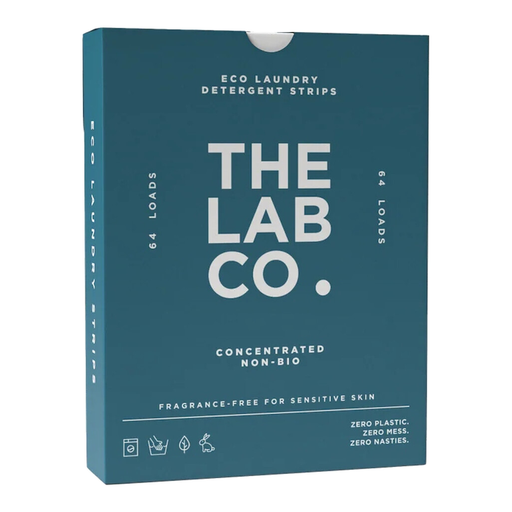
Why This Fits Their Persona: A compact option for flats, limited storage or shoppers seeking a fragrance-free, plant-derived detergent format.
The fragrance-free version avoids the common assumption that every non-bio product has a noticeable scent, while dose guidance covers different load conditions.
64 loads per pack; no added fragrance, dyes, phosphates or chlorine bleach is stated; strips are lightweight.
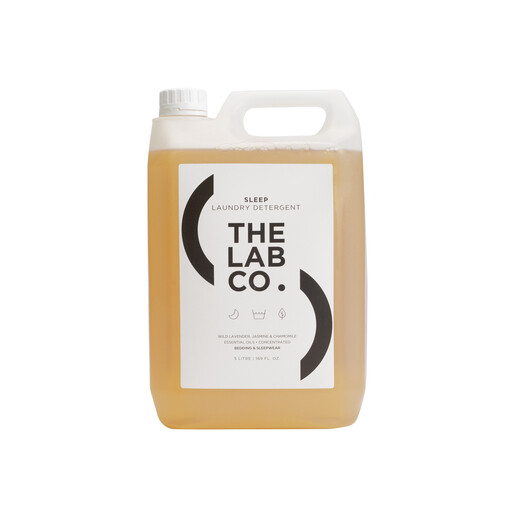
Why This Fits Their Persona: Designed for households washing bedding and sleepwear frequently and wanting a larger concentrated liquid format.
The stated 5-litre size and separate soft-water/light-soiling and hard-water/heavy-soiling doses help frequent users plan consumption.
Non-bio and plant-based positioning; concentrated formula; wild lavender and chamomile fragrance.
We have compiled a complete, real-time list of products that fully satisfy these strict selection criteria and UK safety regulations.
Many families choose non-bio detergent for baby laundry because it does not contain biological enzymes. It is still important to review the complete ingredient list, fragrance content and safety instructions. Wash baby garments according to their care labels and avoid assuming that any non-bio product is suitable for every child.
Not necessarily. Compare the price per standard wash, then check whether hard water or heavy soiling requires two strips. Strips may reduce storage demands and packaging weight, while liquid detergent can offer greater flexibility for pre-treating stains. The lower running cost depends on the product price, load size and dose used.
Use a detergent specifically labelled for wool, silk or delicates where possible. Products such as wool and silk detergent are formulated for fine fabrics, but the care label remains the deciding instruction. Avoid high temperatures and harsh cycles unless the garment manufacturer permits them.