
24/7 Customer Support

Free returns

Same-day & Next-day Delivery

Quality Guaranteed

Unlock Your Welcome Offers: FREE Delivery | Up to 80% OFF | Free 30-day JoyPlus trial
Download the APP
Panty liners can be useful for everyday discharge, spotting, light period flow and small bladder leaks. However, choosing the wrong type may lead to shifting, dampness, irritation or paying for features that do not match your needs.
The product name alone does not tell you enough. “Long”, “fresh” and “odour control” can describe very different designs, while a liner intended for daily discharge may not provide enough protection for urine leaks or menstrual flow. This guide explains the practical specifications to check before buying panty liners in the UK.
Standard daily panty liners are generally designed for light moisture, discharge or spotting. They may not have the absorbent core, fluid-locking layers or secure shape needed for light bladder leaks.
If leakage happens when laughing, sneezing or exercising, consider products specifically labelled as light bladder leak liners. These often use a core designed to absorb urine quickly and separate moisture from the skin. For moderate or heavier leakage, incontinence pads may be more appropriate than everyday liners.
An extra-long panty liner usually provides more front-to-back coverage, but length is not the same as absorbency. Check whether the product description mentions an absorbent core, fluid-locking layers or side barriers.
Longer designs can be useful overnight, during active days or when underwear offers less coverage. They should still fit the gusset properly; a liner that extends beyond the underwear may fold, move or feel uncomfortable.
A scented liner adds perfume, whereas an odour-control liner is designed to manage odour within the product. Neither is automatically suitable for everyone. People with sensitive skin may prefer unscented panty liners and should check the packaging for fragrance, dyes and material information.
Odour-control claims should also be considered alongside change frequency. No liner is intended to be worn indefinitely, and changing regularly is important for comfort and hygiene.
Start by identifying the fluid you need to manage:
If you need menstrual protection, check the stated flow level rather than relying only on the word “long”. For heavier flow or overnight use, a sanitary towel with wings may offer more dependable coverage.
For regular wear, look for a breathable topsheet or backing and a soft surface. Breathable panty liners can feel less warm during long working days, commuting or travel, although breathability does not mean the product should be worn all day without changing.
Those seeking panty liners for sensitive skin may wish to prioritise:
“Hypoallergenic” and “dermatologically tested” are product descriptions, not guarantees that irritation is impossible. Stop using a product if redness, itching or discomfort develops and seek medical advice if symptoms persist.
A secure adhesive strip helps keep the liner centred, but the fit also depends on underwear shape and movement. Individually wrapped panty liners are convenient for handbags, work drawers and travel. They also help keep unused products clean.
Always dispose of used liners in a household waste bin. Do not flush panty liners, pads or their wrappers, as they can contribute to blocked plumbing.
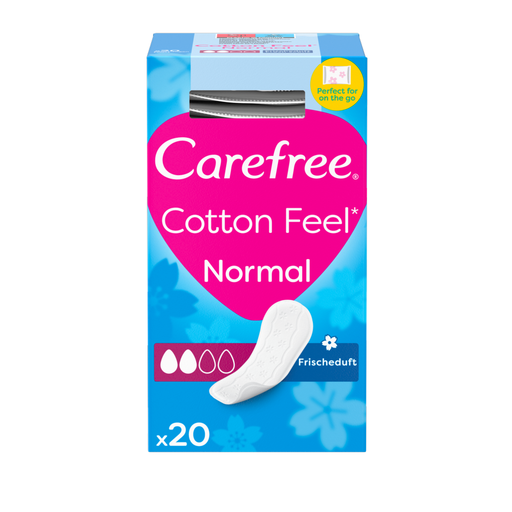
Why This Fits Their Persona: A straightforward option for someone starting with daily liners for discharge or occasional light spotting, without choosing a specialist bladder-leak pad.
The product description specifies a breathable surface, cotton extract and a stay-in-place design, helping address common comfort and shifting concerns.
Breathable surface; cotton extract; 20-pad pack for trying a regular daily format.
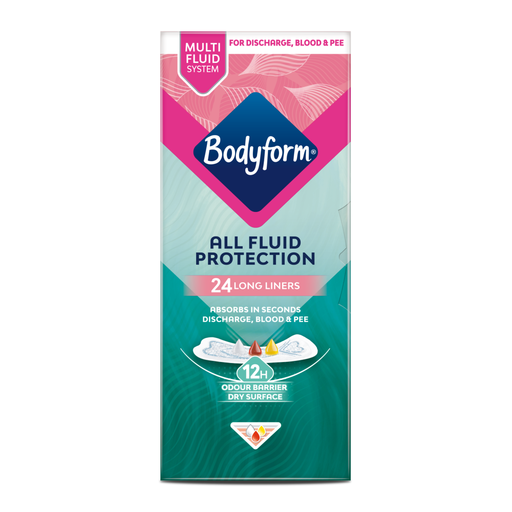
Why This Fits Their Persona: Suits shoppers wanting one longer daily liner for discharge, spotting and small amounts of urine, with additional coverage for busy days.
Its listed 2.5 cm additional length and three responsive fluid zones make the coverage specification clearer than relying on “long” alone.
Longer format; listed stay-dry surface; recyclable paper packaging.
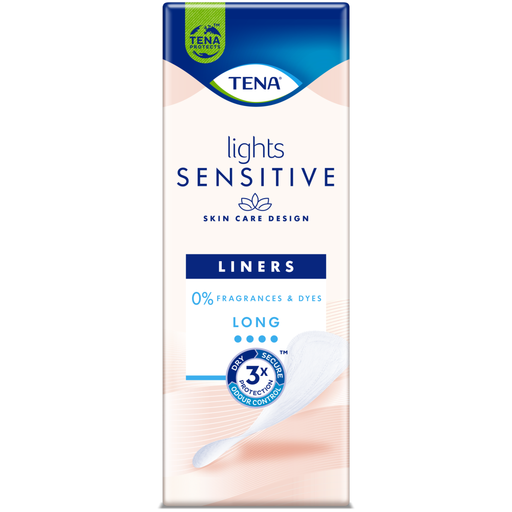
Why This Fits Their Persona: Designed for people who need more targeted protection for light bladder leaks while retaining a thin, discreet profile.
It is specifically presented as a light bladder-leak liner, rather than a standard daily liner being used beyond its intended purpose.
21 cm long; 3 mm thin; listed as fragrance- and dye-free with breathable layers.
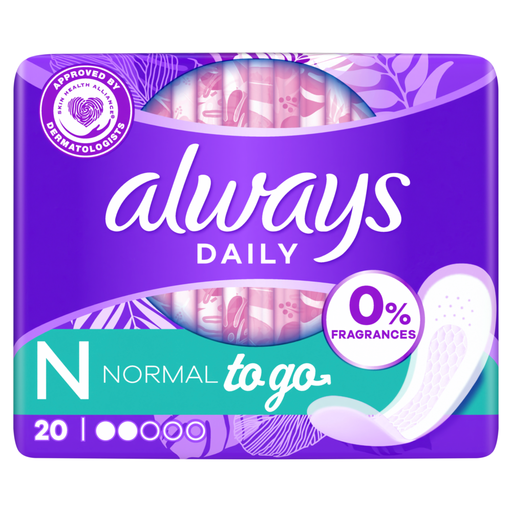
Why This Fits Their Persona: A practical choice for commuters, students and travellers who want individually wrapped panty liners ready for a handbag or desk drawer.
The individually wrapped format avoids carrying loose liners, while the listed fragrance-free design helps shoppers avoid an unnecessary scented product.
20 individually wrapped liners; breathable design; fragrance-free according to the listing.
We have compiled a complete, real-time list of products that fully satisfy these strict selection criteria and UK safety regulations.
Change a liner whenever it feels damp, soiled or uncomfortable. Product guidance commonly suggests changing every four to six hours, but the appropriate interval depends on discharge, spotting, activity and the liner’s absorbency.
Some can, but standard daily liners may not absorb urine quickly enough. Choose a product specifically described for light bladder leaks if leakage occurs during coughing, sneezing, laughing or exercise. For more substantial leakage, consider a pad designed for incontinence and speak with a healthcare professional if the problem is persistent.
Unscented panty liners remove added fragrance, which some people prefer when their skin is easily irritated. Look for clear material information and avoid any product that causes discomfort. “Unscented” does not mean irritation is impossible, so discontinue use if a reaction develops.