
24/7 Customer Support

Free returns

Same-day & Next-day Delivery

Quality Guaranteed

Unlock Your Welcome Offers: FREE Delivery | Up to 80% OFF | Free 30-day JoyPlus trial
Download the APP
Pocket facial tissues are easy to buy in a hurry, but the cheapest-looking pack is not always the most practical choice. A small pack may run out quickly, a thin sheet may tear during use, and soothing ingredients may not suit everyone. UK shoppers also need to consider whether tissues are intended for dry use only, how the packaging should be disposed of and whether the pack size fits a school bag, handbag or coat pocket.
This guide explains the main buying pitfalls and compares suitable options for commuting, travel, family use, colds, allergies, sensitive skin and outdoor activities.
A pack may contain several pocket packs, but the number of sheets in each mini pack can vary considerably. For example, one product may offer 7 sheets per pack, while another offers 9, 20 or 50. Check the full calculation:
A larger sheet count is useful for families and frequent use, while smaller packs can be more convenient for occasional carrying.
Ply count refers to the number of tissue layers bonded together. Four-ply tissues can provide a thicker feel and added tear resistance, but softness also depends on the material and manufacturing process. A 3-ply balsam tissue may feel more comfortable for repeated nose wiping, while 4-ply virgin pulp or bamboo tissues may suit shoppers who prioritise structure.
Marketing descriptions such as “luxuriously soft” are subjective. Look instead for measurable information such as 3-ply or 4-ply construction, material composition and pack dimensions.
Balsam, aloe vera, fragrance and other added ingredients can change how tissues feel against the skin. They may be preferred by some users, but anyone who reacts to fragranced or treated products should check the ingredients and stop using the product if irritation occurs.
For a simpler composition, consider tissues made from 100% cotton, virgin pulp or bamboo pulp, and check whether the product is described as free from brighteners, fragrance or other additives. No facial tissue should be used on broken or damaged skin unless appropriate professional advice has been obtained.
“Biodegradable” does not mean a tissue is suitable for the toilet. Used tissues and packaging should be placed in the appropriate bin or recycling stream according to local council guidance.
For everyday wiping, 3-ply and 4-ply tissues are widely available. Four-ply options may be useful for cold-weather use, hand drying or light cleaning, while thinner tissues can reduce bulk in a pocket.
Also check the actual sheet dimensions. A compact 200mm × 200mm sheet may be convenient for commuting and outdoor use, whereas a larger facial tissue can provide more coverage. If you need tissues for colds and allergies, consider the balance between softness, sheet count and how frequently the pack will need replacing.
Standard pocket tissues are generally intended for dry use. Some cotton facial tissues are specifically described as suitable for both dry and wet facial tissues applications. These can be moistened with water before use, but they are not automatically wet wipes and should not be flushed.
For baby care or household cleaning, confirm the product’s stated use, keep unopened packs dry and avoid using treated facial tissues on surfaces where residue could be a concern.
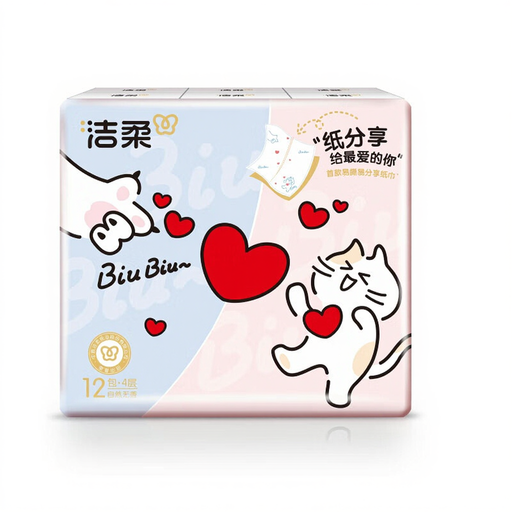
Why This Fits Their Persona: Twelve mini packs with 7 sheets each are practical for distributing between coats, bags, desks and family vehicles.
The listing clearly states 84 sheets in total and 4 layers per sheet, making the quantity easier to compare with other pocket tissues.
4-ply construction; 100% virgin wood pulp; compact individual packs.
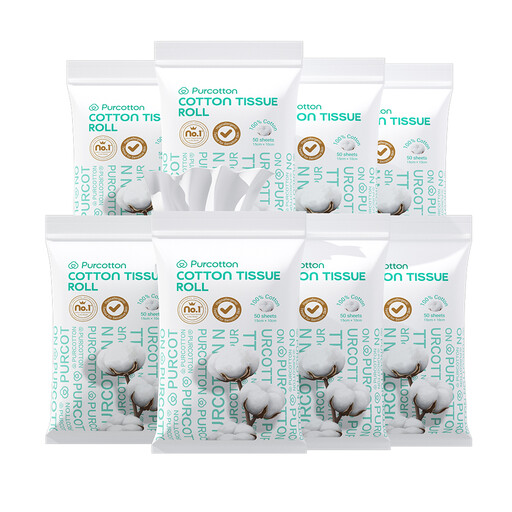
Why This Fits Their Persona: A 400-sheet travel bundle suits shoppers wanting a soft, versatile option for face care, make-up removal and family trips.
The product information identifies the material as 100% cotton and states that it can be used dry or wet, rather than leaving versatility as an undefined claim.
50 sheets per pack; 15cm × 10cm travel format; dry-and-wet use stated.
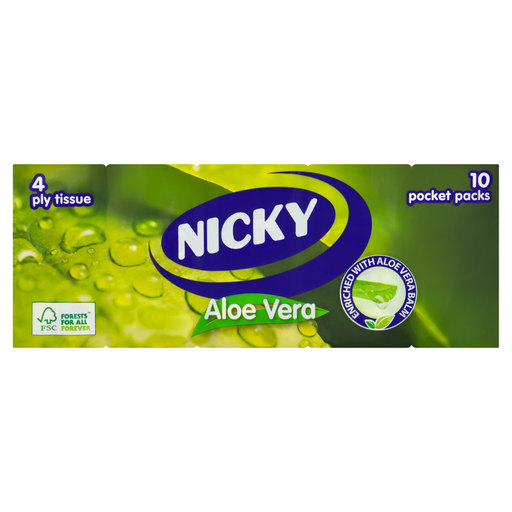
Why This Fits Their Persona: Ten pocket packs provide a ready supply for frequent use during commuting, school runs, cold seasons or allergy days.
The listing specifies 4-ply construction, 100% virgin pulp and aloe balsam, so shoppers can compare the actual format instead of relying on general softness language.
4-ply sheets; 10 packs per bundle; aloe balsam included in the product description.
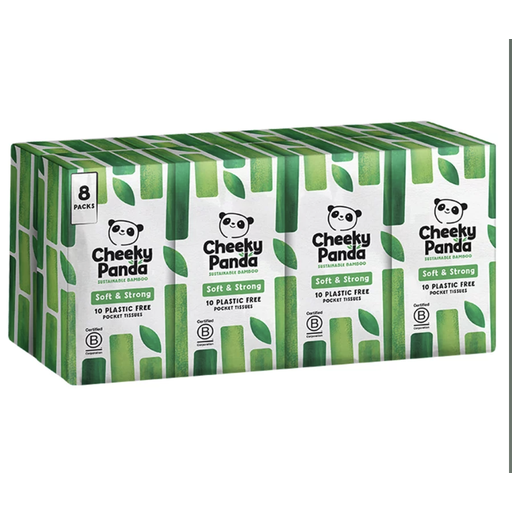
Why This Fits Their Persona: Eight compact packs offer a portable format for walks, public transport, work and outdoor activities.
The listed material is 100% natural virgin bamboo pulp, giving shoppers a specific material reference when comparing bamboo tissues.
Bamboo pulp material; 8 pocket packs; UK country-of-origin information is provided in the listing.
We have compiled a complete, real-time list of products that fully satisfy these strict selection criteria and UK safety regulations.
Keep unopened and opened packs in a cool, dry place away from direct sunlight and moisture. Reseal packs where possible to reduce contact with dirt inside a handbag or rucksack.
Used tissues should go into a general waste bin unless local guidance states otherwise. Do not flush pocket tissues, as they can contribute to blocked pipes. Keep plastic wrappers away from young children because of potential suffocation or choking risks.
Some products are described as skin-friendly or suitable for sensitive skin, but individual reactions vary. If you prefer to minimise additives, compare the material and ingredient information, and consider fragrance-free cotton or plain pulp options. Discontinue use if irritation occurs.
For occasional use, one 8- or 10-pack bundle may be sufficient. Families, commuters and people expecting frequent use may prefer larger bundles or travel packs with 20 to 50 sheets per pack. Keep an additional pack in the car or workplace to avoid relying on a single small packet.
Some cotton facial tissues are specifically labelled for dry and wet use. Moisten them with water as directed, use them once and dispose of them in a bin. They should not be flushed unless explicitly permitted by local waste-management guidance.