
24/7 全天候客户支持

免费退货

当日/次日达

品质保障

开启新人专享福利: 全场免邮 | 低至 2 折 | 免费试用 30 天 JoyPlus 会员
下载 Joybuy
Protein powder can make it easier to meet daily protein targets, but choosing a suitable product is not simply a matter of picking the tub with the largest number on the front. UK shoppers often pay for unnecessary ingredients, misread serving information or select a formula that does not suit their diet.
This guide explains the main buying traps, the specifications worth checking and a selection of protein powders matched to different routines.
A large container may look economical, but the useful comparison is cost per serving and protein per serving. Check how many servings the pack contains, then compare the protein content rather than the powder weight alone. A 2kg product with a lower protein percentage may provide less usable protein than a smaller, more concentrated formula.
Marketing language does not tell you whether a product contains whey concentrate, whey isolate, hydrolysed whey, plant proteins or beef protein. These sources have different dietary and nutritional characteristics. A diet whey protein may have fewer carbohydrates and calories, while a mass gainer deliberately includes more carbohydrates and energy.
Look at the ingredients and nutrition panel before relying on terms such as “lean”, “recovery” or “premium”. Added ingredients such as creatine, electrolytes, CLA, green tea extract or amino acids may be useful for a particular routine, but they should not distract from the basic protein and calorie figures.
Whey and casein are derived from milk, and many flavoured powders also contain soya lecithin. Plant protein powder may be vegan but still contain soya. Beef protein powder can provide a dairy-free alternative, although the full label remains the deciding reference.
Always check the allergen statement, especially if you have an intolerance, allergy or follow a restricted diet. Product formulations and manufacturing processes can change, so the packaging supplied with your order should take priority.
Whey protein powder usually includes concentrate, isolate or hydrolysate. Concentrate often contains more of the naturally occurring milk components, while isolate is generally more processed and may have a higher protein percentage. Hydrolysed whey has been enzymatically broken down into smaller protein fragments.
For example, Applied Nutrition Clear Whey products list 95% hydrolysed whey protein and provide approximately 21.27g of protein per 25g serving. Their clear format is mixed with water to create a fruity drink rather than a creamy shake.
For dairy-free requirements, compare the protein percentage of vegan protein powder, commonly made from pea, soya or brown rice. A blend can provide a broader amino acid profile than relying on one plant source alone.
A practical comparison should include:
Applied Nutrition Critical Whey variants provide approximately 22–24g protein per serving, depending on the flavour and label. Applied Nutrition Diet Whey provides 20g protein per 25g serving, with around 100–101 calories and less than 1g of sugar per serving in the listed vanilla and strawberry versions.
A standard whey shake can help supplement daily protein intake after exercise or between meals. A post-workout protein product may also include carbohydrates and electrolytes, while a mass gainer is designed for people who need more calories as well as protein.
Applied Nutrition Beef-XP Mass Gainer, for instance, lists 42.3g protein, 70g carbohydrate and 452 calories per 125g serving, alongside creatine and electrolytes. That profile is very different from a low-calorie shake and may not suit someone trying to control energy intake.
Use the manufacturer’s stated serving size and do not exceed the recommended daily amount. Food supplements should complement a varied, balanced diet rather than replace it.
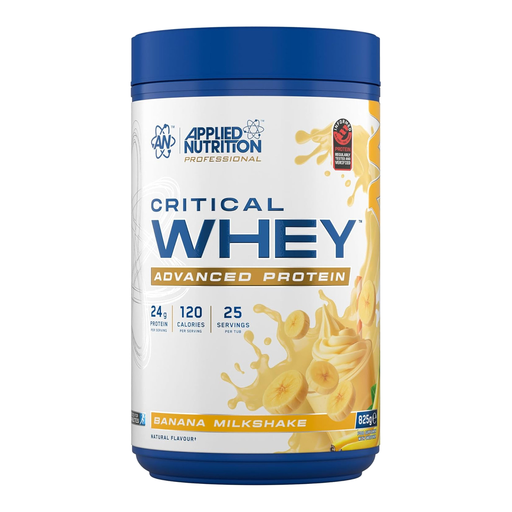
Why This Fits Their Persona: A straightforward option for adults starting a gym routine and looking for a familiar whey shake without a complex performance formula.
The label declares 24g of protein per 30g serving, making the protein-to-powder comparison clear.
Whey concentrate, isolate and hydrolysed whey; approximately 24g protein per serving.
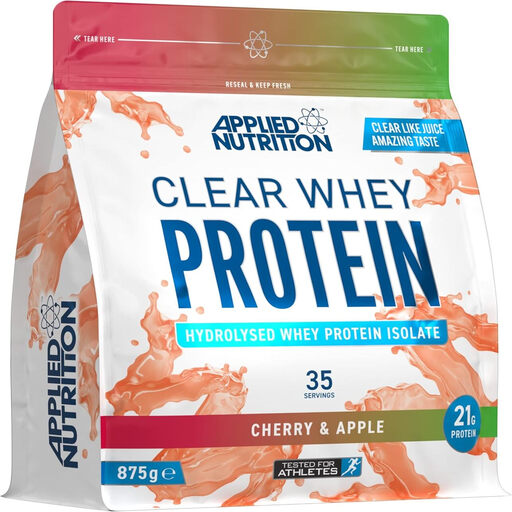
Why This Fits Their Persona: Suitable for shoppers who prefer a light, fruity drink and do not enjoy the thick texture of conventional shakes.
Its nutrition panel shows 21.27g protein, 90 calories and 0.95g sugar per 25g serving.
95% hydrolysed whey protein; low-fat, low-sugar profile; 875g pack.
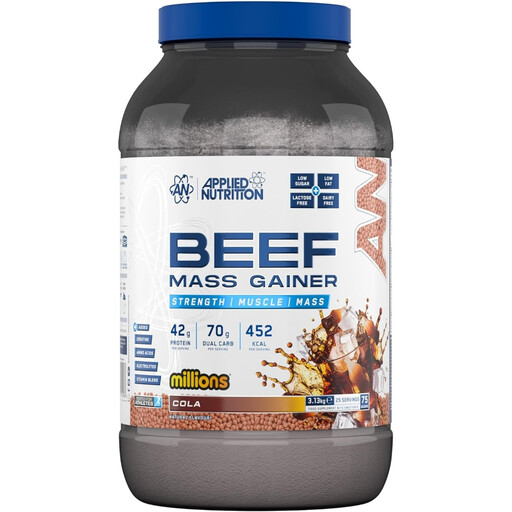
Why This Fits Their Persona: Designed for adults who need a higher-calorie option for bulking and prefer to avoid dairy, gluten and soya.
The listed 452 calories and 70g carbohydrate per 125g serving make its bulking purpose clear.
42.3g beef protein; creatine and electrolytes; dairy-, gluten- and soya-free formulation as listed.
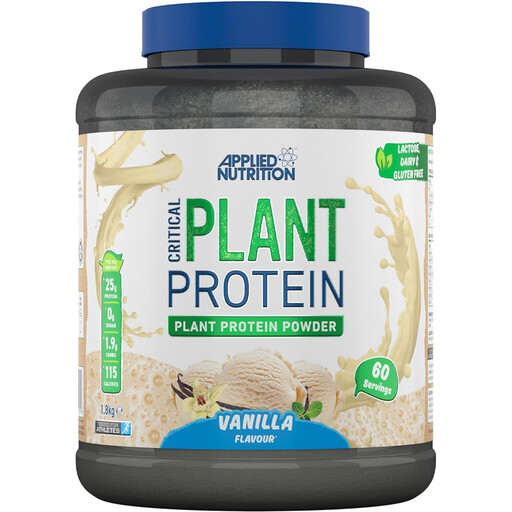
Why This Fits Their Persona: A practical vegan protein powder for adults who want a larger pack for regular shakes, porridge or recipes.
It uses a declared blend of soya, pea and brown rice proteins instead of relying on vague plant-based wording.
25.3g protein per 30g serving; 84.3g protein per 100g; 1.8kg pack.
We have compiled a complete, real-time list of products that fully satisfy these strict selection criteria and UK safety regulations.
There is no need to restrict it to one specific time. Many people use a shake after training, while others take it between meals or add it to porridge. Choose the timing that helps you meet your daily protein intake without exceeding the product’s recommended serving.
Clear whey is simply a different format of whey protein, usually mixed with cold water. It still contains milk-derived protein, so it is not suitable for people avoiding dairy or with a milk allergy. Check the label, serving guidance and total daily intake.
Follow the best-before date and storage instructions on the packaging. Keep the container tightly closed in a cool, dry place away from moisture and direct sunlight. Use a dry scoop and check for changes in smell, texture or appearance before preparation.