
24/7 全天候客户支持

免费退货

当日/次日达

品质保障

开启新人专享福利: 全场免邮 | 低至 2 折 | 免费试用 30 天 JoyPlus 会员
下载 Joybuy
Protein powder can make it easier to increase daily protein intake, but choosing the right tub is not simply a matter of picking the most attractive flavour or the largest pack. UK shoppers also need to consider protein source, serving size, allergens, sugar, calories and whether extra ingredients genuinely match their routine.
A useful protein powder should fit your diet and training habits without paying for features you will not use.
A large scoop does not automatically mean more protein. Always compare the grams of protein per serving and the protein per 100g. For example, a product with a 33g serving may provide around 24g of protein, while a 25g serving of plant protein may provide 20g.
Also check how many servings the pack contains. A smaller tub with a higher protein percentage may offer better value than a larger product with considerable carbohydrate or flavouring content.
Whey protein powder is commonly chosen for post-workout protein because it is convenient and provides essential amino acids. However, the exact timing is usually less important than meeting your overall dietary needs consistently.
Clear whey protein offers a lighter, fruit-flavoured alternative to a creamy shake, while an amino acid powder supplies individual amino acids rather than a conventional protein serving. These are different formats, not interchangeable products.
Whey and milk protein contain milk-derived ingredients. Some powders also contain soya lecithin, egg, gluten-containing cereals or nuts due to manufacturing processes. Vegan protein powder may still contain soya, soya lecithin or other allergens.
Read the current label before purchase, particularly if you have an allergy, intolerance, follow a vegetarian or vegan diet, or need halal-friendly nutrition. Packaging, ingredients and directions can change.
Whey concentrate generally provides a practical, versatile protein source, while whey isolate is more refined and may contain less fat and lactose than concentrate. Some formulas combine concentrate, isolate and hydrolysed whey.
Plant-based options commonly use pea, pumpkin seed, hemp or soya protein. Combining sources can provide a broader amino acid profile. Check the actual protein quantity rather than relying only on terms such as “high protein”.
An EAA supplement contains essential amino acids that the body cannot produce itself. MyProtein Impact EAA products list all nine EAAs and are suitable for vegans and vegetarians, with zero calories and zero sugar according to the supplied product information. They should be viewed as an amino acid powder, rather than a replacement for a protein-rich meal.
For weight management, compare calories, sugars and carbohydrates per serving. A diet whey protein formula may suit someone who wants a measured protein serving within a calorie-controlled diet.
For healthy weight gain, a mass gainer or weight gain protein powder usually combines protein with a larger carbohydrate and calorie contribution. This can be useful when food alone is not convenient, but it is easy to consume more energy than intended. Check the serving size carefully before mixing.
A creatine protein powder combines protein with creatine in one product. This may simplify a supplement routine, although it is important to track the creatine amount separately from your daily protein intake.
Creamy whey shakes can work well with water, milk, porridge or recipes. Clear whey is mixed with water and is closer to a fruit drink. Unflavoured vegan protein can be added to smoothies, yoghurt and baking without introducing a strong flavour.
Follow the preparation instructions on the label. Using scales rather than relying on scoop estimates can improve portion accuracy, especially with a large serving such as 150g of mass gainer.
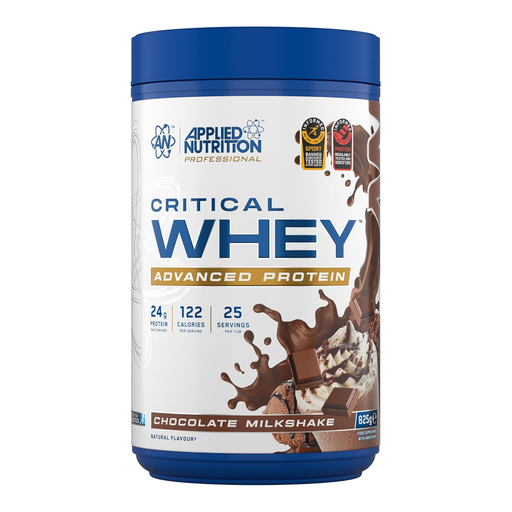
Why This Fits Their Persona: A manageable 825g pack provides a straightforward whey option for people starting regular gym sessions or adding protein between meals.
The supplied nutrition information lists about 23.6g of protein per 33g serving, helping shoppers compare protein content rather than pack size alone.
Whey concentrate and isolate blend; listed serving provides 23.6g protein and 122 kcal.
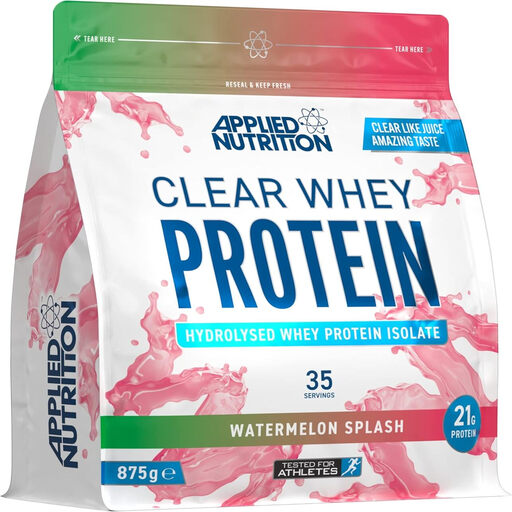
Why This Fits Their Persona: Suitable for shoppers who dislike thick, milky shakes and prefer a fruit-flavoured drink after exercise or during the day.
Its transparent drink format makes the texture clear before purchase, while the label lists 21.27g protein and 90 kcal per 25g serving.
95% hydrolysed whey protein listed; low fat and low sugar profile with watermelon flavour.
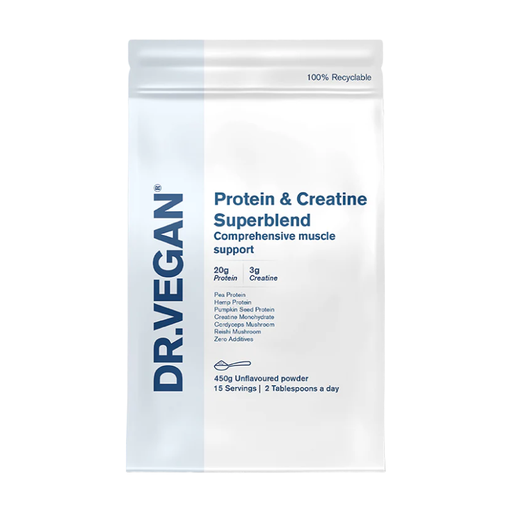
Why This Fits Their Persona: A vegan, unflavoured option for adults wanting protein and creatine in one powder for smoothies, yoghurt or recipes.
The ingredient list clearly identifies pea, pumpkin seed and hemp proteins, plus 3g creatine per 30g serving, rather than hiding them behind a generic blend.
20g protein and 3g creatine per serving; listed free from dairy, gluten, soya and added sugar.
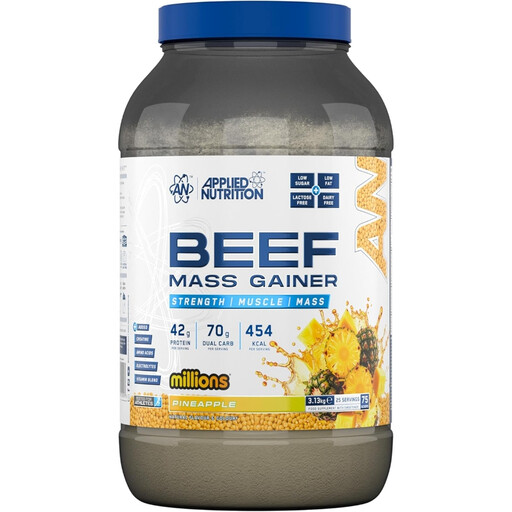
Why This Fits Their Persona: Designed for adults with high calorie and protein requirements, including those seeking a dairy-free, gluten-free or soya-free mass-gain formula.
The label states the full serving contribution: 42g protein, 70g carbohydrate and about 454 kcal per 125g serving.
Beef protein isolate; includes creatine, EAAs and electrolytes; listed as dairy-, gluten- and soya-free.
We have compiled a complete, real-time list of products that fully satisfy these strict selection criteria and UK safety regulations.
Mix the recommended serving with the stated amount of water, milk or plant-based drink. Post-workout protein can be convenient, but you can also use a shake between meals or in recipes. Follow the label and count it as part of your total daily nutrition.
Shelf life varies by product and is shown by the Best Before End date on the packaging. Once opened, keep the container tightly closed in a cool, dry place away from sunlight and moisture. Use clean, dry utensils to reduce clumping and check the powder before use.