
24/7 Customer Support

Free returns

Same-day & Next-day Delivery

Quality Guaranteed

Unlock Your Welcome Offers: FREE Delivery | Up to 80% OFF | Free 30-day JoyPlus trial
Download the APP
Protein shakes and meal replacement drinks can make breakfast, post-workout nutrition or an afternoon snack more convenient. However, a colourful label or a “functional” claim does not always tell you whether a drink suits your calorie target, dietary preferences or daily protein needs.
The main challenge is comparing products that serve different purposes. A ready-to-drink protein shake may provide substantial protein but not enough energy or micronutrients to replace a meal. Conversely, a meal replacement shake may offer vitamins and fibre while delivering less protein than a gym-focused drink. Use the following checks to avoid paying for features you will not use.
A high-protein drink is generally designed to supplement protein intake. It may be useful after exercise or between meals, but it is not automatically nutritionally balanced enough to replace breakfast or lunch.
Meal replacement shakes are formulated for a more specific purpose. For example, SlimFast strawberry meal replacement powder provides 230 calories, 15g of protein, 4g of fibre and 23 vitamins and minerals per prepared serving, when mixed with skimmed milk as directed. It is intended for use within an energy-restricted diet, rather than as the sole source of nutrition.
Some labels show nutrition per 100ml, while others use a whole bottle, can or scoop. A drink displaying 6g of protein per 100ml provides 30g in a 500ml bottle, but a 245ml nut drink with 1.1g per 100ml supplies considerably less protein overall.
Always compare:
This prevents a low-calorie beverage from being mistaken for a concentrated protein supplement.
Plant-based drinks can contain soy, peanuts, tree nuts or sesame. Some products also contain milk, despite having nut, sesame or cereal ingredients. Check the bold allergen information on the label rather than relying on front-of-pack wording.
For example, certain soy milk drinks contain both soybeans and milk, while mixed nut and sesame beverages may include several allergens. “Vegetarian” is also different from “vegan”, so look for a clear suitability statement and inspect the ingredient list.
Protein sources differ in taste, texture and dietary suitability. Milk protein is used in creamy ready-to-drink protein shakes, while beef protein isolate offers a dairy-free alternative. Collagen protein water is another option, typically served as a clear, fruit-flavoured beverage rather than a milkshake.
Applied Nutrition BEEF-XP powder lists 27.3g of protein per 30g serving, with less than 0.1g of sugar and less than 0.1g of fat according to the supplied product information. Its ingredient list is based on beef protein isolate, making it unsuitable for vegetarians and vegans.
For a convenient milk-based option, some protein nutrition shakes provide 20g or more per bottle. These can be easier to use at work, while commuting or after training because they require no shaker or measuring scoop.
A low-calorie protein drink may suit someone adding protein to an existing diet, but it may not provide enough energy for a complete meal. Conversely, a meal replacement shake requires a closer look at preparation instructions because mixing with skimmed milk changes the final calorie and protein values.
Check both “of which sugars” and total carbohydrates. “No added sugar” does not necessarily mean sugar-free, as milk naturally contains lactose. Fibre is also relevant for satiety and digestive comfort, but products containing ingredients such as inulin or sweeteners may not suit everyone.
For UK shoppers, check:
Product formulations and packaging can change, so read the current label before use, especially if you have an allergy, medical condition or take prescribed medication.
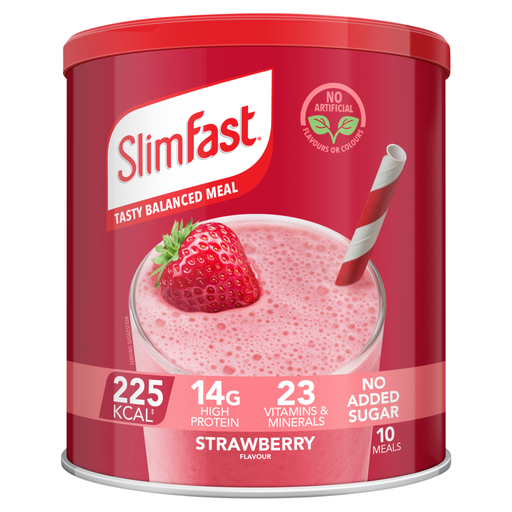
Why This Fits Their Persona: A 365g tub provides 10 servings when prepared using the stated 36.5g powder measurement, offering a straightforward option for planned breakfasts or lunches.
The listing states the prepared serving calories and protein clearly, reducing confusion caused by comparing dry powder figures with ready-to-drink products.
15g protein, 4g fibre and 23 vitamins and minerals per prepared serving; suitable for vegetarians.
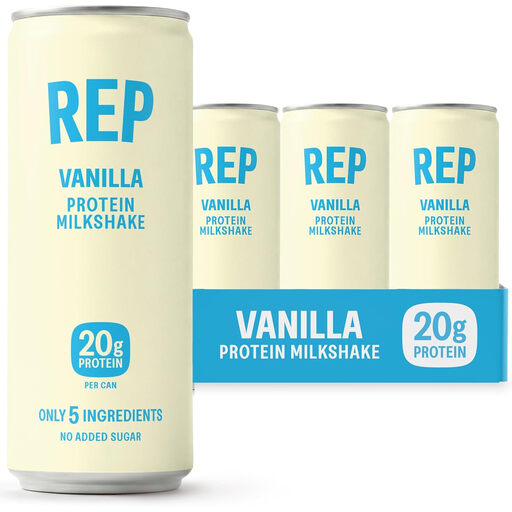
Why This Fits Their Persona: Suitable for adults and vegetarians who prefer a short ingredient list and a chilled, ready-to-drink format for work or gym routines.
The product information identifies five ingredients and lists 20.3g of protein per 250ml can, rather than relying only on broad “clean” positioning.
150 calories per can; no artificial sweeteners, flavours, preservatives or stabilisers listed.
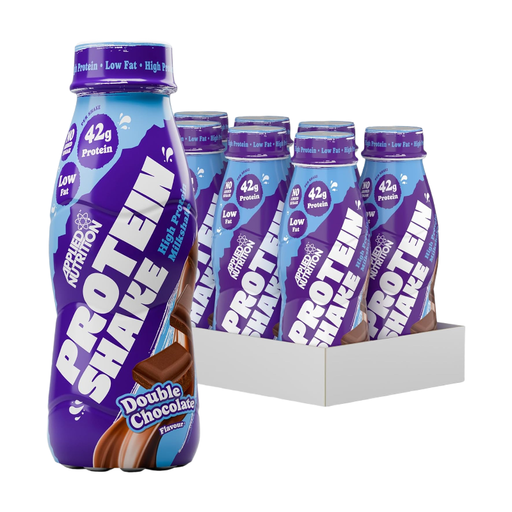
Why This Fits Their Persona: Designed for adults wanting a substantial ready-to-drink protein shake after training or during demanding days.
Its 500ml serving and 42g protein figure are stated together, making the larger portion clear before purchase.
42g protein and 240 calories per bottle; low fat and no added sugar stated in the product information.
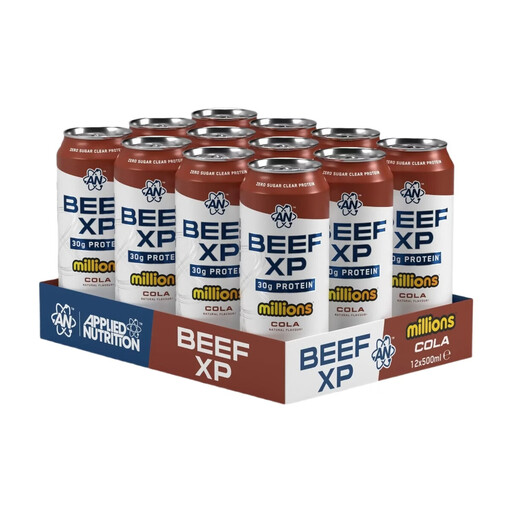
Why This Fits Their Persona: A clear, fruit-style drink for adults avoiding dairy or looking for an alternative to creamy post-workout protein drinks.
The label identifies beef protein isolate and provides the complete 500ml nutrition panel, so shoppers can distinguish it from vegetarian protein shakes.
Ready-to-drink 500ml format; 30g protein, 139 calories and 0.3g sugar per bottle.
We have compiled a complete, real-time list of products that fully satisfy these strict selection criteria and UK safety regulations.
A protein shake can be a practical breakfast component, particularly when time is limited. Whether it can replace a full breakfast depends on its calories, protein, fibre, fat and micronutrient content. A standard ready-to-drink protein shake may work better as a snack, while a labelled meal replacement shake is designed for a more structured calorie-controlled plan. Follow the serving instructions and maintain a varied diet.
Follow the packaging first. Unopened shelf-stable products are generally stored in a cool, dry place. After opening, many drinks require refrigeration and consumption within 12–24 hours. Shake bottles or cans before drinking if the label advises it, as ingredients can settle during storage.
Not automatically, but many clear protein drinks use water, flavourings and sweeteners instead of milk, which can result in a lighter texture and lower calorie count. Compare the full nutrition panel. For example, the listed Beef-XP clear drink provides 139 calories per 500ml bottle, while a collagen protein water product lists 44 calories per 330ml can. Protein type and quantity still vary, so select according to your dietary requirements and intended use.