
24/7 Customer Support

Free returns

Same-day & Next-day Delivery

Quality Guaranteed

Unlock Your Welcome Offers: FREE Delivery | Up to 80% OFF | Free 30-day JoyPlus trial
Download the APP
Resistance bands have become a staple for home workouts, physical therapy and gym sessions across the UK, prized for their versatility and portability. However, the market is flooded with options, and it's easy to end up with a product that's ineffective or, worse, unsafe. Many buyers find their new exercise bands either snap after a few uses, roll up during exercises or offer the wrong level of tension for their needs.
As a Joybuy Product Recommendation Officer, my role is to help you navigate the marketing clutter. This guide focuses on the critical factors that determine a band's quality and longevity, helping you avoid common purchasing pitfalls and find the right equipment for your fitness goals.
Before you add any bands to your basket, be aware of these common traps that lead to wasted money and frustration:
resistance bands set with poorly calibrated tension levels. This often leaves you with bands that are either too light to be effective or too heavy to use with proper form, halting your progress before it even begins.loop bands used for lower-body exercises. They can roll up your legs, pinch your skin and constantly need readjusting, turning a focused workout into a frustrating battle with your equipment.To ensure you're investing in equipment that will support your goals, focus on these three non-negotiable parameters.
The material is the single most important factor determining a band's feel, durability and suitability for different exercises.
bands for physical therapy to heavy-duty loops.resistance bands with handles.glute bands or "hip circles," are wide, thick and have rubber threads woven in to prevent slipping. They are specifically designed for lower-body exercises and excel at staying in place. They offer a different, often heavier, type of resistance compared to latex or TPE loops.Different band styles are designed for different purposes. Matching the type to your workout is key.
home workout bands that can replace dumbbells for many exercises.pilates bands, allowing for a wide range of motion.Beyond the main material, look at how the band is constructed. For resistance bands with handles, check the connection point between the tube and the handle—it should be robust and securely stitched. For fabric glute bands, examine the stitching to ensure it's even and strong, as this is the most likely point of failure.
Based on these practical criteria, here are a few options from our catalogue, matched to specific user needs in the UK.
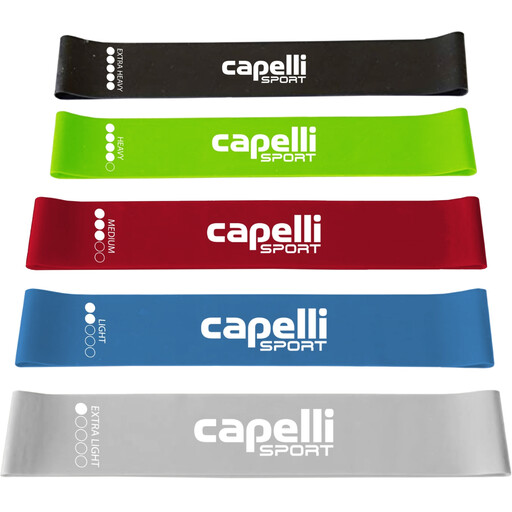
Why This Fits Their Persona: Ideal for someone starting their fitness journey at home. This set provides a full spectrum of resistance levels, allowing for gradual progression without needing to buy new equipment as strength increases. It's a versatile and cost-effective entry point.
This set directly counters the "one-size-fits-all" myth by offering five distinct, colour-coded resistance levels, from extra light to extra heavy, ensuring there's always an appropriate challenge.
Made from heavy-duty latex for good elasticity. The included travel bag makes it easy to keep the set organised and portable for workouts anywhere.
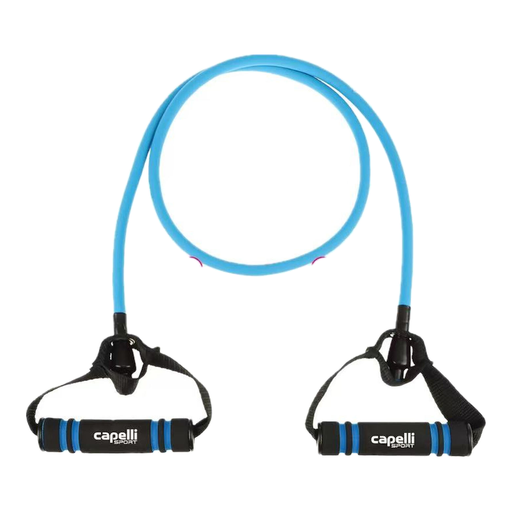
Why This Fits Their Persona: Perfect for those who need reliable, consistent tension for targeted strength training or physical therapy. The handles allow for a secure grip, mimicking gym equipment for exercises like rows, presses and curls. The TPE material is a great non-allergenic option.
This band avoids the "durability deception" by using a synthetic rubber (TPE) designed to resist tearing and featuring ergonomic foam handles with secure attachments, which are less likely to fail than on cheaper models.
The padded foam grips reduce hand fatigue and prevent slipping, ensuring proper form and control during intense workouts. Its lightweight design makes it highly portable.
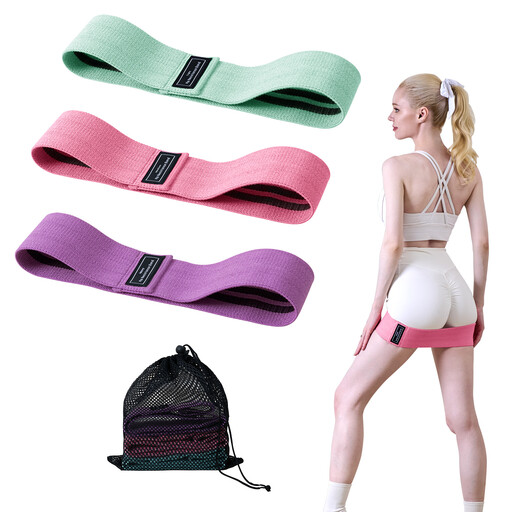
Why This Fits Their Persona: For anyone serious about lower-body training, from yoga enthusiasts to those focused on glute toning. This user is tired of flimsy bands that don't stay put. This fabric set is designed specifically for stability and substantial resistance during squats, hip thrusts and leg lifts.
This set is the direct solution to the "rolling and pinching" problem. The wide, high-quality cotton fabric construction with non-slip grip ensures the bands stay exactly where you place them, even during dynamic movements.
Offers three distinct and substantial resistance levels for progression. The skin-friendly fabric is more comfortable than latex for prolonged use against bare skin.
We have compiled a complete, real-time list of products that fully satisfy these strict selection criteria and UK safety regulations.
Here are answers to a few common questions UK users have about resistance bands.
The lifespan of a resistance band depends on its material, quality, frequency of use and care. A high-quality latex or fabric band used a few times a week and stored correctly can last for a year or more. Cheaper bands may only last a few months. Always inspect your bands for nicks, tears or brittleness before each use and replace them at the first sign of damage. Storing them away from direct sunlight and extreme temperatures will prolong their life.
Yes, you can absolutely build muscle and strength using only resistance bands. The principle of muscle growth is progressive overload—continually challenging your muscles. With a good resistance bands set that offers various tension levels, you can increase the resistance as you get stronger, just as you would by lifting heavier weights. They are particularly effective for muscle toning and endurance.