
24/7 Customer Support

Free returns

Same-day & Next-day Delivery

Quality Guaranteed

Unlock Your Welcome Offers: FREE Delivery | Up to 80% OFF | Free 30-day JoyPlus trial
Download the APP
Selecting the right sanding sheets can feel like a daunting task. With a vast array of grits, materials and types available, it is easy to feel overwhelmed. Choosing incorrectly can mean the difference between a flawless finish and a damaged surface, wasting both time and materials. Whether you are a DIY enthusiast restoring a piece of furniture or a professional tradesperson preparing a surface for finishing, understanding the fundamentals is key.
This guide is designed to cut through the clutter and provide clear, practical advice. As the Joybuy Product Recommendation Officer, my role is to help you navigate the options and identify the most suitable abrasive for your specific needs. We will explore the critical factors to consider, from grit numbers to abrasive materials, ensuring you can purchase with confidence.
Before you add anything to your basket, a little knowledge goes a long way. Here are three key considerations to help you choose the correct sanding sheets for your task.
The "grit" number on sandpaper refers to the density of abrasive particles on the sheet. The system is straightforward: a lower number indicates a coarser grit, while a higher number signifies a finer grit.
The abrasive material determines the sheet's durability and ideal application. The two most common types are aluminium oxide and silicon carbide.
Finally, ensure the sheet format matches your equipment and project needs.
Based on common project needs across DIY and professional trades, here are some practical recommendations from our current selection.
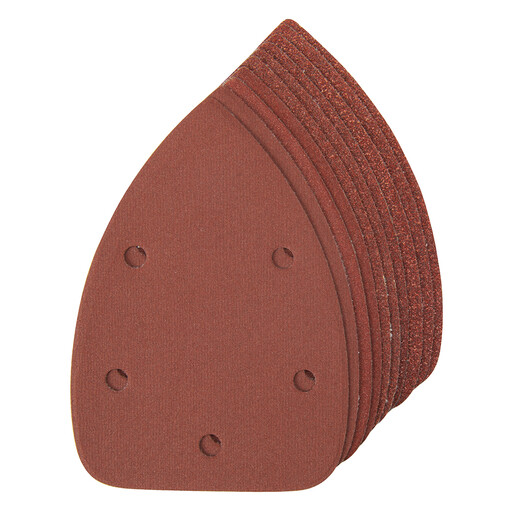
Why It Stands Out: This pack provides a complete system for detail sanding projects. It includes a mixed grit sandpaper selection (60, 80, 120 and 240), allowing you to progress from aggressive stock removal to fine finish preparation with a single purchase. The pre-punched holes align with detail sanders for optimal dust extraction, reducing clogging and improving efficiency.
Pros:
Who is it for? Ideal for DIYers tackling furniture restoration, decorators preparing window frames or anyone needing a versatile set for projects with multiple sanding stages.
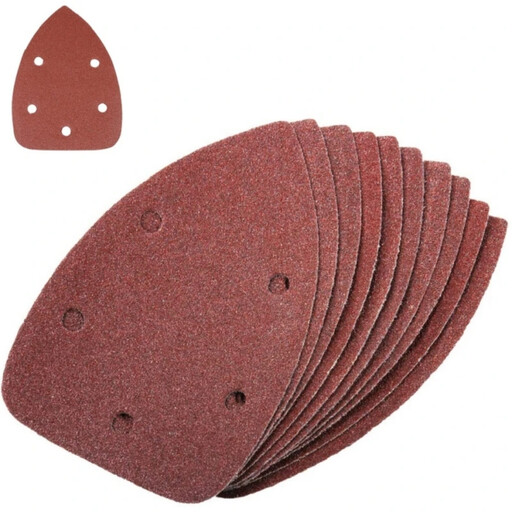
Why It Stands Out: This pack focuses on the workhorse of sanding grits. The 80 grit sandpaper offers a perfect balance between controlled material removal and surface smoothing. The durable aluminium oxide abrasive sheets are effective on wood, metal, plaster and painted surfaces, making this a highly versatile option for general preparation work.
Pros:
Who is it for? A must-have for carpenters, plasterers and decorators who frequently need to smooth surfaces, remove imperfections or prepare areas for finer finishing.
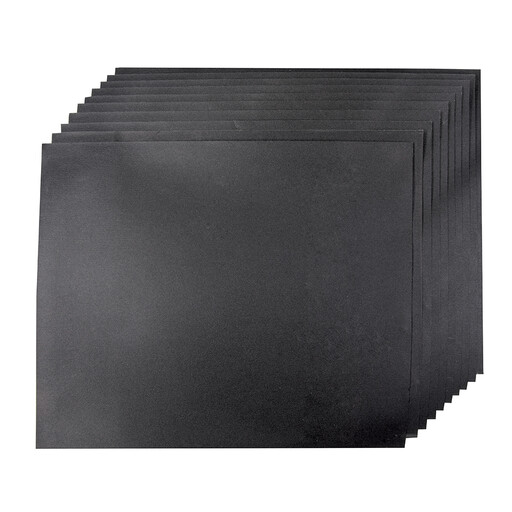
Why It Stands Out: When a flawless, mirror-like surface is the goal, this 1200 grit wet and dry paper is the tool for the job. Made with sharp silicon carbide finishing paper on a waterproof latex backing, it is engineered for wet sanding. It creates a fine slurry that polishes the surface, removing tiny imperfections between coats of automotive paint or on metalwork.
Pros:
Who is it for? Essential for automotive bodywork technicians, marine finishers, metal fabricators and hobbyists aiming for a show-quality finish on paint, clear coats and polished metals.
If these recommendations do not quite match your project's specific requirements, there are many other grits, sizes and types available.
? Explore our complete collection of Silver Sheets to find the perfect abrasive for your needs.
1. What is the difference between aluminium oxide and silicon carbide sandpaper? Aluminium oxide is a tough, durable abrasive ideal for general-purpose sanding on softer materials like wood and painted surfaces. Silicon carbide is harder and sharper, making it more effective on hard materials like metal, plastic and stone. It is also the preferred material for wet and dry sandpaper used in fine finishing.
2. Can I use wet and dry sandpaper without water? Yes, you can use it dry, particularly on bare metal where dust extraction is available. However, its primary advantage is realised when used wet. Wet sanding lubricates the surface, preventing the paper from clogging with debris and carrying away swarf. This results in a much finer, more consistent finish and minimises airborne dust.
3. What grit sandpaper should I use to remove paint from wood? To effectively remove paint from wood, start with a coarse grit. A 60 or 80 grit sandpaper is typically recommended for the initial stripping phase. This will aggressively remove the bulk of the paint. After stripping, you will need to work your way up through medium grits (e.g., 120) and fine grits (e.g., 220) to smooth the wood and prepare it for a new finish.