
24/7 Customer Support

Free returns

Same-day & Next-day Delivery

Quality Guaranteed

Unlock Your Welcome Offers: FREE Delivery | Up to 80% OFF | Free 30-day JoyPlus trial
Download the APP
A sharp twinge from a cold drink, sore gums while brushing or visible surface staining can make choosing toothpaste surprisingly difficult. Packaging often combines several promises—instant sensitivity relief, enamel repair, whitening, gum protection and fresh breath—without making clear which feature matters most for your routine.
The right sensitive teeth toothpaste should match the source of your discomfort and still provide dependable everyday cleaning. Before buying, consider these common pitfalls.
A sensitive whitening toothpaste generally works by removing surface stains from food, tea, coffee or tobacco. It will not change the natural internal colour of teeth in the same way as professional whitening. Strongly abrasive formulas may also feel uncomfortable if enamel is worn or dentine is exposed.
Look for wording such as “gentle whitening” or “surface stain removal”, and avoid assuming that a brighter appearance means enamel has been rebuilt.
An instant sensitivity relief toothpaste may reduce discomfort when applied directly to a sensitive area, but ongoing care usually depends on consistent brushing. Sensitivity can also be linked to decay, a cracked tooth, enamel wear or gum recession. Toothpaste should not be used to delay dental advice when symptoms continue or worsen.
A toothpaste for sensitive teeth may focus on exposed dentine, acid wear, gum problems or general fluoride protection. These are not interchangeable. Check the ingredients and directions rather than relying only on front-of-pack phrases such as “repair”, “shield” or “complete protection”.
For most adults and children aged 12 and over, a daily fluoride toothpaste with around 1,450 ppm fluoride is a practical option for cavity protection. Several products in this guide list 1,450 ppm fluoride, including Sensodyne Daily Care, Sensodyne Pronamel and selected Corsodyl and Colgate Sensitive formulas.
Brush twice daily, spit out excess toothpaste and avoid swallowing. Follow the product label, particularly if you use fluoride from other sources or have received different advice from your dentist.
Common approaches include:
The ingredient alone does not determine whether a product suits you. Flavour, foaming agents, abrasives and your tolerance of the formula also affect everyday use.
If acid wear or enamel weakening is your concern, an enamel care formula such as Sensodyne Pronamel may be more relevant than a heavily stain-focused whitening product. Toothpaste can support remineralisation of early softened enamel when used with fluoride, but it cannot replace enamel that has already been lost.
For bleeding or swollen gums, choose a gum care toothpaste with clear gum-focused directions. Bleeding that persists should be discussed with a dental professional rather than managed solely with a new toothpaste.
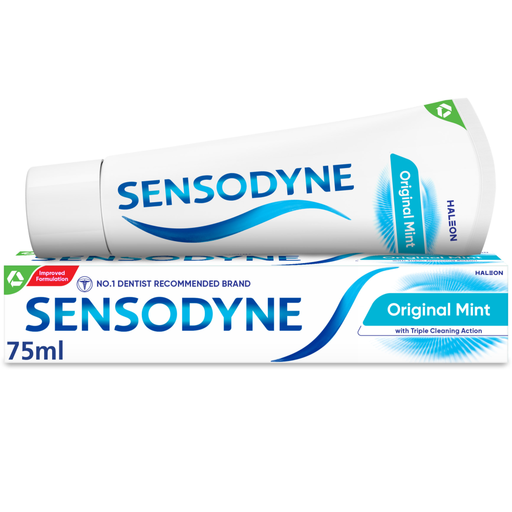
Why This Fits Their Persona: A straightforward 75ml toothpaste for adults and children aged 12 and over who want daily sensitivity care without adding a whitening or specialist gum focus.
It does not rely on a whitening-led message; the listed formula includes potassium nitrate and 1,450 ppm sodium fluoride for daily sensitivity and cavity care.
Original mint flavour; suitable for twice-daily brushing; 75ml format is convenient for regular replacement.
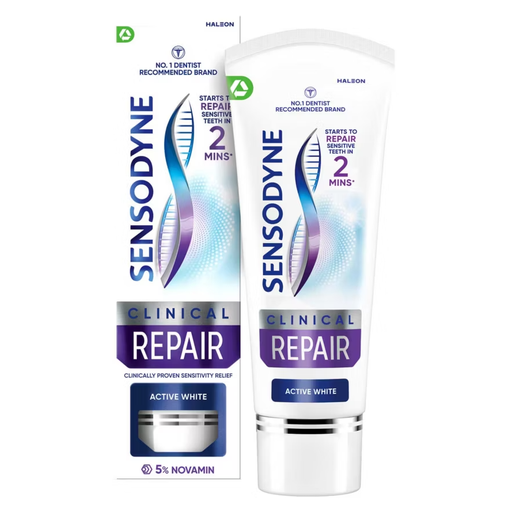
Why This Fits Their Persona: Suits shoppers prioritising a repair-focused sensitivity formula alongside surface-stain removal and a fresh mint taste.
The product details identify calcium sodium phosphosilicate, fluoride and extra-fine perlite and silica, making the formula’s intended functions clear.
Contains 1,450 ppm sodium fluoride; combines sensitivity care and whitening; 75ml tube.
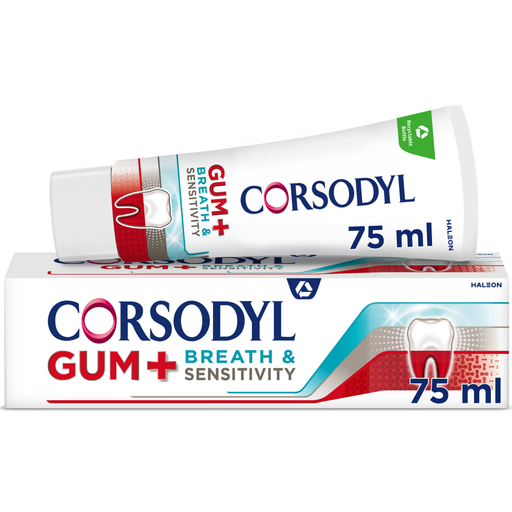
Why This Fits Their Persona: Designed for people managing sensitivity alongside gum-line concerns and unwanted breath odour in one daily routine.
Its listed formula specifies stannous fluoride, sodium fluoride and zinc chloride, rather than presenting gum and breath care as unexplained claims.
Targets plaque-associated breath concerns; provides fluoride; suitable for twice-daily brushing.
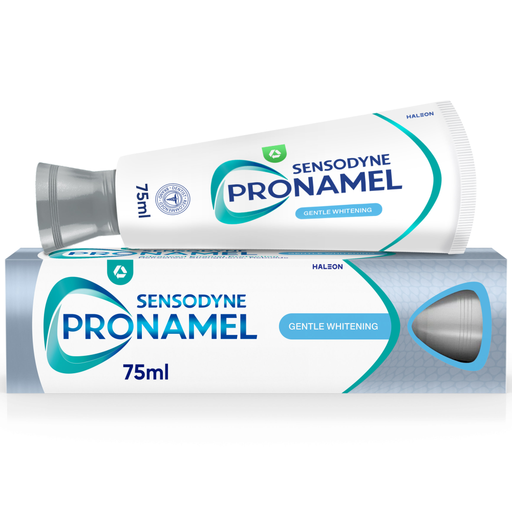
Why This Fits Their Persona: A sensible match for those concerned about acidic foods and drinks, sensitivity and surface staining rather than aggressive whitening.
The product is positioned around gentle surface stain removal and acid-wear care, not a promise to replace lost enamel or alter intrinsic tooth colour.
Contains potassium nitrate and fluoride; designed for enamel care; freshens breath while gently whitening.
We have compiled a complete, real-time list of products that fully satisfy these strict selection criteria and UK safety regulations.
Use a soft-bristled toothbrush and gentle pressure. Brushing too firmly can contribute to gum recession and enamel wear, potentially increasing sensitivity. Most products listed here are intended for brushing twice daily, with no more than three brushing sessions per day unless a dental professional advises otherwise.
For targeted use, follow the individual label. Some instant sensitivity relief toothpaste products may be applied to a sensitive tooth with a fingertip before brushing, while others are intended only for normal brushing. Do not swallow toothpaste, and keep it away from young children.
Check the tube for its expiry information and store it according to the packaging instructions. A 75ml toothpaste tube is generally convenient for personal daily use, but how long it lasts depends on the amount used and brushing frequency.
Some formulas are designed for a rapid sensation of relief, while potassium nitrate and other daily-care ingredients generally require consistent use. Follow the label for the specific product. If sensitivity remains after a reasonable period, becomes more intense or affects one particular tooth, arrange a dental assessment.
Yes, provided the product is specifically formulated for sensitivity and used as directed. Choose gentle whitening or surface-stain removal rather than assuming a highly abrasive formula will be suitable. Reduce use and seek advice if discomfort increases.
Toothpaste can support brushing and gum care, but persistent bleeding is not something to ignore. Improve brushing technique, clean between the teeth and consult a dentist if bleeding continues or if you notice swelling, pain, loose teeth or facial swelling.