
24/7 Customer Support

Free returns

Same-day & Next-day Delivery

Quality Guaranteed

Unlock Your Welcome Offers: FREE Delivery | Up to 80% OFF | Free 30-day JoyPlus trial
Download the APP
A tidy workspace is the first step to a successful sewing project. Yet, finding the right sewing box can feel like a project in itself. With so many options available, it is easy to end up with a storage solution that looks appealing but fails to meet your practical needs. As the Joybuy Product Recommendation Officer, my role is to help you navigate the market and find a product that truly works for you.
Before you make a choice, let's look at some common pitfalls that can lead to disappointment and a disorganised craft corner.
To avoid these issues, focus on a few core parameters. Analysing these details will help you select a durable and functional sewing box organiser that serves you well for years.
The inside of the box is more important than the outside. Look for a sewing basket with compartments that are designed for haberdashery.
Consider where and how you will use your sewing box. Your needs will determine the ideal size and features.
The material dictates the box's longevity and ease of maintenance.
To help you find the right fit, we have matched some options to different user profiles.
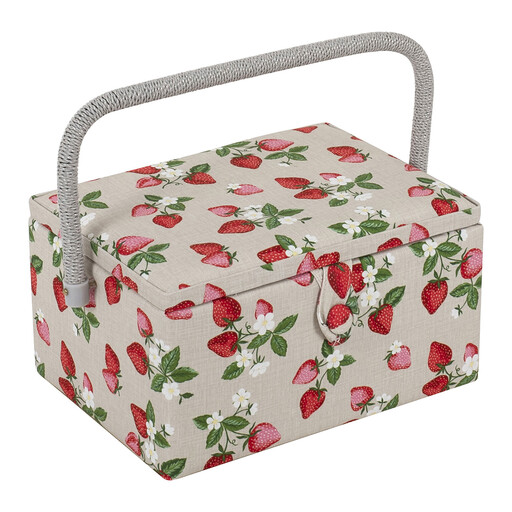
Why This Fits Their Persona: This user attends weekly sewing classes and needs a compact, organised and easy-to-carry solution. This sewing basket is lightweight yet structured, making it ideal for transporting essentials without hassle.
It directly counters the "Flimsy Fittings" pitfall with a durable handle and a secure latch, ensuring contents are safe during travel. The internal tray prevents it from becoming a tangled mess.
Features a spacious main compartment plus a transparent accessories tray for quick access to small items. Its compact size is perfect for storage and travel.

Why This Fits Their Persona: This user has an extensive collection of fabrics, threads and tools. Portability is not a priority; maximum organisation and capacity in a dedicated craft space are key.
This type of unit avoids the "Tardis Illusion" by design. Multiple drawers and compartments provide a designated home for every item, from scissors to fabric quarters, ensuring nothing gets lost.
Offers superior organisation for large collections. Look for stackable modules or units with varied drawer sizes to create a customised and expandable sewing accessories storage system.

Why This Fits Their Persona: Just starting out, this user needs a functional, no-frills box to hold a basic starter kit. They need something practical and affordable that keeps essentials tidy without a large initial investment.
It avoids the "Material Mismatch" pitfall for a beginner. A simple, durable plastic box is easy to clean and robust enough for a starter kit, offering better long-term value than a cheap, poorly made fabric box.
These are lightweight, affordable and often include a lift-out tray for organising small notions. They provide a clear view of contents and are an excellent entry-level sewing box organiser.
We have compiled a complete, real-time list of products that fully satisfy these strict selection criteria and UK safety regulations.
1. What is the difference between a sewing box and a sewing basket? Historically, a sewing basket was typically made of wicker and often had a softer structure. A sewing box is generally a more rigid, structured container, made from wood, plastic or a fabric-covered hard frame. Today, the terms are often used interchangeably, but "box" or "organiser" usually implies a more sectioned interior with trays and compartments.
2. How do I organise my sewing box effectively? Start by grouping similar items together. Use the top tray for small, frequently used items like needles, pins, a seam ripper and thimbles. The larger bottom compartment can hold scissors, measuring tapes and thread. Consider using small containers or dividers within the main section to keep bobbins and buttons from rolling around.
3. What are the essential items for a beginner's sewing box? A good starter kit should include: a good pair of fabric scissors, a small pair of thread snips, a seam ripper, a tape measure, a variety of hand-sewing needles, a pin cushion or magnetic pin holder, tailor's chalk or a fabric marker and a few spools of basic thread in black, white and neutral colours.