
24/7 Customer Support

Free returns

Same-day & Next-day Delivery

Quality Guaranteed

Unlock Your Welcome Offers: FREE Delivery | Up to 80% OFF | Free 30-day JoyPlus trial
Download the APP
Whether you're tackling a loose button, starting a new creative hobby or introducing a child to the joys of crafting, a good sewing kit is an indispensable tool. Yet, the market is flooded with options that look promising but often fall short. Many are filled with low-quality items that frustrate rather than help, leading to wasted money and abandoned projects.
As the Joybuy Product Recommendation Officer, my role is to help you see past the marketing and identify what truly matters. Before you make a purchase, be aware of these common pitfalls that can turn a seemingly good deal into a drawer full of useless tools.
To avoid these issues, focus on the fundamental components. A well-chosen kit will serve you reliably for years. Here are the key parameters to check before you buy.
Instead of being swayed by a high number of accessories, scrutinise the quality of the essentials. A functional kit is built on the strength of its core tools.
The container is just as important as its contents. A well-organised sewing box or case protects your tools and saves you time. Look for features like:
Finally, match the kit to its intended user and purpose. A beginner sewing kit should have clear instructions and basic, user-friendly tools. A children's sewing kit must prioritise safety with features like plastic needles and pre-cut felt shapes. For quick fixes on the go, a compact travel sewing kit or mending kit is ideal, whereas a dedicated crafter might prefer a specialised embroidery kit or a large sewing box to build their own collection.
Based on these practical criteria, here are a few options from our catalogue that are well-suited for different UK users.
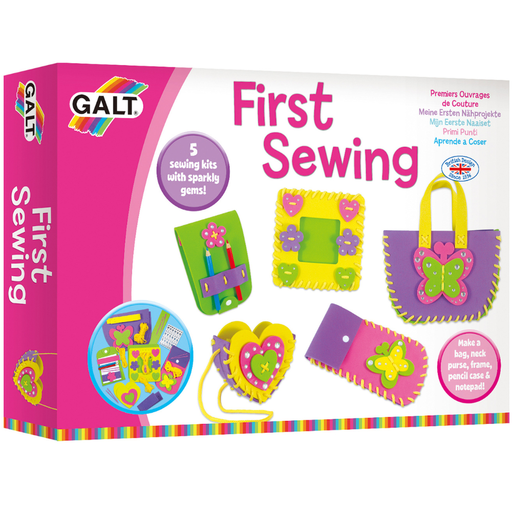
Why This Fits Their Persona: This kit is designed specifically to introduce children aged 5+ to sewing. It provides a safe, engaging and confidence-building activity that develops fine motor skills, making it an ideal choice for parents looking for a creative and educational pastime for their kids.
It completely avoids the "one-size-fits-all" myth by being purpose-built for children. It includes child-safe needles and pre-cut materials, ensuring the tools are appropriate for the user, not just scaled-down, poor-quality adult tools.
Includes everything needed for first projects, with clear instructions and safety-focused components. It fosters creativity and patience in a structured way.
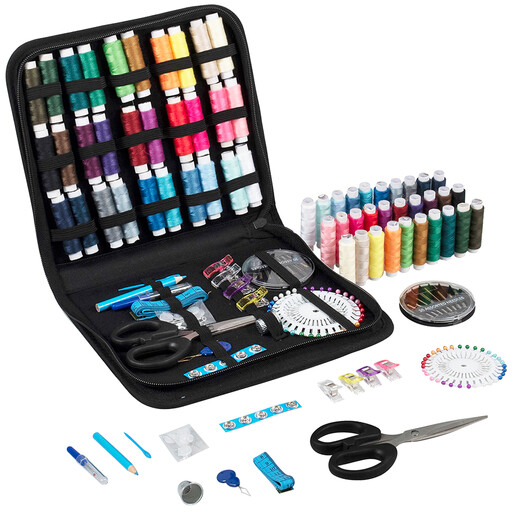
Why This Fits Their Persona: Ideal for the home, for students or for travellers who need a reliable mending kit. It contains a comprehensive selection of tools for everyday repairs, from replacing buttons to fixing seams, all housed in a highly organised, portable case.
This kit directly counters the "disorganisation flaw." Its fabric case with secure elasticated loops and a full-length zip ensures every tool has a place and is easily visible, preventing the usual chaos of lesser kits.
Offers a wide assortment of practical tools, including embroidery scissors, a seam ripper and 30 polyester threads. The case opens flat for excellent accessibility.
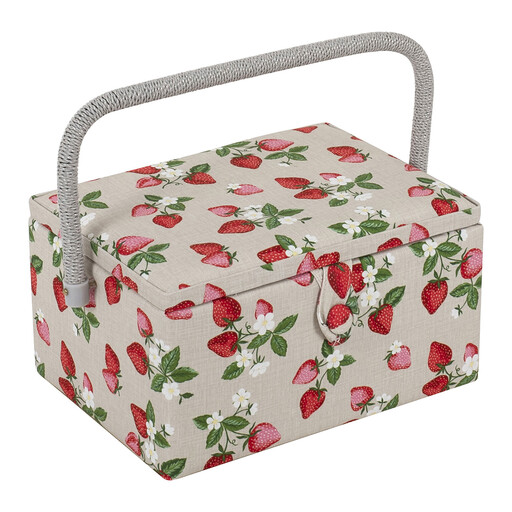
Why This Fits Their Persona: This is for the sewist who is moving beyond a pre-made kit and is building their own collection of preferred tools. It provides a stylish, sturdy and highly organised home for all their growing haberdashery.
It is the ultimate solution to the disorganisation flaw. With a spacious main compartment, dedicated sections and a transparent accessories tray, it's designed for serious organisation, not just temporary storage.
Premium materials and a thoughtful layout, including a secure latch and durable handle for portability. It combines practical storage with a charming design.
We have compiled a complete, real-time list of products that fully satisfy these strict selection criteria and UK safety regulations.
A solid beginner sewing kit should focus on quality over quantity. Look for these essentials: a sharp pair of fabric scissors, a set of assorted needles for different fabrics, a few spools of strong polyester thread in basic colours (black, white, navy), a flexible tape measure, a seam ripper for correcting mistakes and a small container of pins. Anything beyond this is a bonus, but these core items will handle most starter projects.
To prolong the life of your tools, keep them clean and properly stored. Use your fabric scissors only for fabric to keep them sharp. Store needles and pins in a pincushion or a magnetic case to prevent them from rusting or getting lost. Keep your sewing box closed when not in use to protect the contents from dust and moisture.
A travel sewing kit is excellent for emergencies, like reattaching a button or fixing a small tear while you are away from home. However, for regular home mending, you may find it limiting. A dedicated home mending kit or a more comprehensive sewing box typically includes more robust tools, a wider variety of thread colours and more accessories that make repairs easier and more durable.