
24/7 Customer Support

Free returns

Same-day & Next-day Delivery

Quality Guaranteed

Unlock Your Welcome Offers: FREE Delivery | Up to 80% OFF | Free 30-day JoyPlus trial
Download the APP
Choosing tampons involves more than picking a familiar pack from the supermarket shelf. Absorbency, insertion style, materials, packaging and pack size can all affect whether your purchase suits your period and daily routine.
Marketing language can also make comparison difficult. Terms such as “natural”, “comfort” and “leak protection” may describe useful features, but they do not replace checking the product specification. This guide explains the practical details UK shoppers should consider before buying tampons.
“Regular”, “super” and “super plus” are useful categories, but naming conventions can vary between brands. A super tampon from one manufacturer may not correspond exactly to another brand’s product. Check the stated absorbency range where available and select the lowest absorbency suitable for your flow.
Using a higher absorbency than necessary may increase dryness or discomfort. Conversely, a lower absorbency may need changing more frequently on heavier days.
Some organic cotton tampons use plastic applicators, synthetic covers or plastic wrappers. If reducing plastic matters to you, inspect the full materials list rather than focusing only on the absorbent core.
For example, a product may contain organic cotton but still include polyethylene or polypropylene components. Plastic-free tampons generally identify the applicator, wrapper and tampon materials separately.
Applicator tampons can make insertion more straightforward for some users, but they create an additional item to dispose of after use. Non-applicator tampons are usually smaller to carry and may suit people who prefer fingertip insertion.
Similarly, a multipack can reduce the cost per tampon, but only if the absorbency and design work for your usual flow. Buying a large quantity of unsuitable tampons is not an effective saving.
Use the product’s absorbency category and, where shown, its gram rating as a comparison point:
The correct choice can change throughout the same period. A mixed selection of regular and higher-absorbency products may be more practical than using one type every day.
Applicator tampons use an outer and inner tube to position the tampon. Cardboard applicators can reduce plastic content, while plastic applicators may feel smoother or offer a familiar grip. Look for a rounded tip and clear instructions.
Non-applicator tampons are inserted directly with a finger. Their compact format can be convenient for handbags, travel, work or festivals, and they often use less packaging material.
No design is automatically suitable for everyone. Comfort depends on personal preference, correct positioning and choosing an absorbency appropriate for your flow.
For people seeking fragrance-free tampons or sensitive skin tampons, check whether the product is free from perfume, dyes and chlorine processing. These details describe formulation and materials; they should not be treated as medical endorsements.
Sustainability terms also require careful reading:
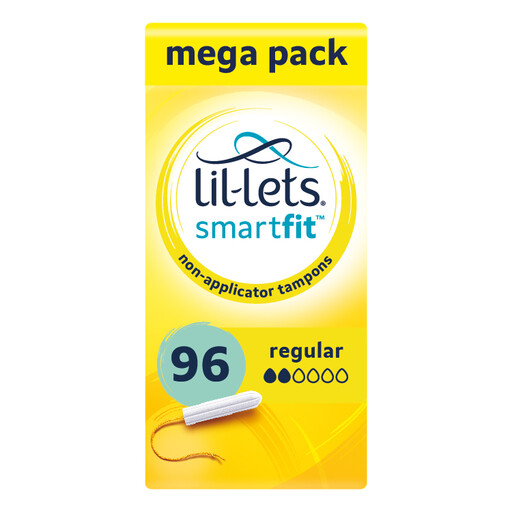
Why This Fits Their Persona: The six-pack format contains 96 regular-absorbency tampons, making it suitable for shoppers who already know that regular tampons match their light to medium flow.
The regular absorbency label is clear, while the non-applicator design avoids paying for an applicator that the user may not need.
Compact non-applicator format; individually wrapped; large 6 x 16 pack for routine use.
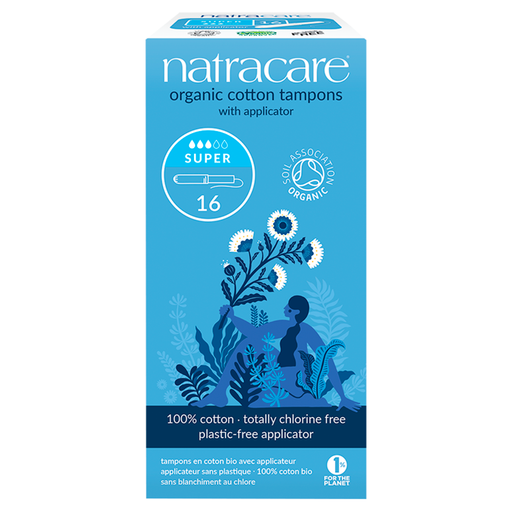
Why This Fits Their Persona: A suitable option for shoppers prioritising certified organic cotton and a cardboard applicator for medium to heavy flow days.
The listed materials specify 100% GOTS-certified organic cotton with no rayon, perfume or dyes and a biodegradable cardboard applicator.
Super absorbency rated at 9–12g; plastic-free applicator; perfume-free and dye-free composition.
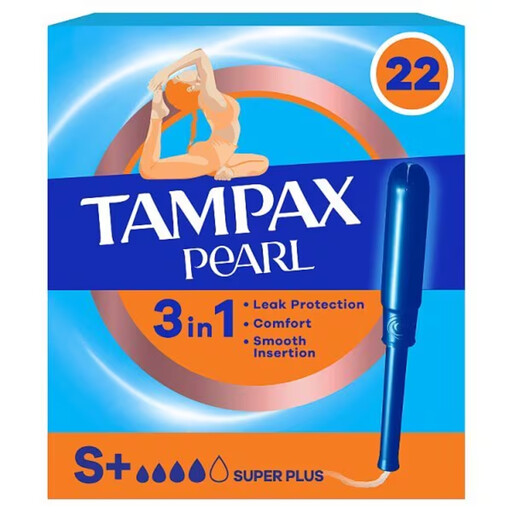
Why This Fits Their Persona: Designed for shoppers who require super plus absorbency and prefer an applicator for use at work, while travelling or during busy days.
The super plus category is clearly stated, and the product instructions advise changing every 4–6 hours or sooner when saturated.
SmoothTouch plastic applicator; anti-slip grip and rounded tip; fragrance-free materials.
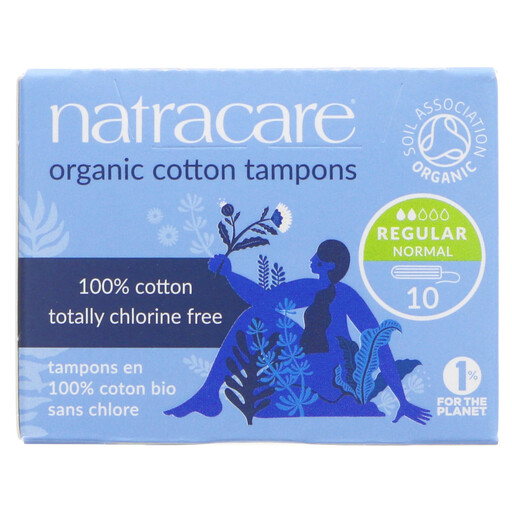
Why This Fits Their Persona: A compact choice for light to medium flow days when an applicator is not required and material transparency is important.
The product description identifies 100% certified organic cotton and excludes rayon, plastics, perfume and dyes, rather than using a broad sustainability label alone.
Regular absorbency; non-applicator design; biodegradable and compostable product materials as specified by the listing.
We have compiled a complete, real-time list of products that fully satisfy these strict selection criteria and UK safety regulations.
Wash and dry your hands before and after insertion or removal. Follow the leaflet supplied with the pack, insert the tampon according to the product instructions and keep the removal string outside the body.
Change tampons within the time stated on the packaging. Product guidance commonly specifies a period of 4–8 hours, with some products advising 4–6 hours. Do not wear a tampon for longer than instructed, and use the lowest absorbency that meets your needs.
Store unopened tampons in a cool, dry place away from excess moisture. Do not use products with damaged wrappers or packaging. If irritation occurs, discontinue use. Tampons are associated with Toxic Shock Syndrome (TSS), a rare but serious illness. Seek urgent medical advice if symptoms such as sudden fever, vomiting, diarrhoea, rash, dizziness or faintness occur while using a tampon.
Follow the instructions supplied with the specific product. Many tampons advise changing every 4–8 hours, or sooner if saturated. Avoid wearing one overnight unless the product guidance and your usage plan remain within the stated time limit.
They can use less material than applicator designs, but the answer depends on the full product construction. Check the wrapper, cover, string and absorbent core. Some non-applicator products use compostable wrappers, while others may still contain synthetic components.
Compare super and super plus tampons with the absorbency information on the pack. Select the lowest absorbency that manages your flow and change it when needed. If you regularly experience very heavy bleeding, frequent leakage or symptoms that concern you, speak with a qualified healthcare professional.