
24/7 Customer Support

Free returns

Same-day & Next-day Delivery

Quality Guaranteed

Unlock Your Welcome Offers: FREE Delivery | Up to 80% OFF | Free 30-day JoyPlus trial
Download the APP
Navigating the UK's beautiful but often damp terrain, from the Peak District's ghylls to Scotland's coastal trails, demands footwear that can handle both solid ground and sudden submersion. Many outdoor enthusiasts have learned the hard way that the wrong shoes can turn an adventure into a slog. When searching for water shoes for hiking, it's easy to fall into common purchasing traps that lead to discomfort and wasted money.
As a Joybuy Product Recommendation Officer, my role is to help you sidestep the marketing jargon and focus on what truly matters. Before you buy, be aware of these frequent pitfalls:
To find reliable footwear that transitions seamlessly from trail to stream, you need to analyse a few core technical specifications. These are the non-negotiable features that define a high-performing pair of amphibious hiking shoes.
The single most important feature is the outsole's ability to grip wet, uneven surfaces. Do not settle for a generic rubber sole. Look for shoes that specify their use of high-traction compounds and aggressive lug patterns.
A proper water shoe is not designed to keep water out, but to get it out—fast. This is achieved through a combination of clever design and material choice.
Every gram counts on a long hike. A good water shoe should be a lightweight wading shoe without sacrificing essential support and protection.
Choosing the right shoe depends on your specific type of adventure. Here are a few options from our catalogue, matched to different user profiles.
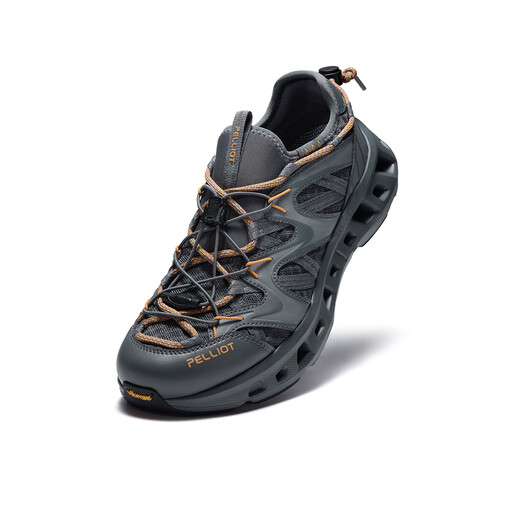
Why This Fits Their Persona: Ideal for the adventurer who regularly engages in canyoning, coasteering or river trekking. This is a purpose-built tool for demanding wet and dry conditions, prioritising performance and safety over all else.
It directly counters the "slippery sole" fallacy with a Vibram Megagrip outsole for superior traction and avoids the "waterproof" trap with a rapid drainage system that expels water instantly.
Its ultra-lightweight design (approx. 352g) and quick-lace system reduce fatigue and make transitions effortless. The combination of drainage and grip is its primary strength.
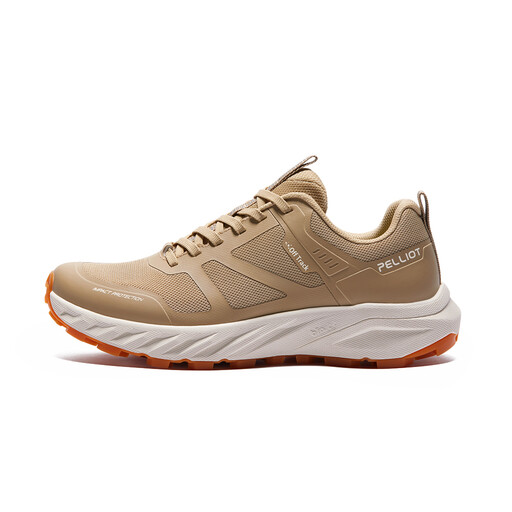
Why This Fits Their Persona: Suited for the hiker who enjoys varied terrain, from park runs to forest trails with occasional streams or muddy patches, but doesn't require a dedicated wading shoe. It offers a balance of features for mixed-use.
The highly breathable sandwich mesh upper dries significantly faster than a standard trainer, avoiding the waterlogging trap. Its ROCKYTEC outsole provides reliable grip on varied surfaces, including wet ground.
Its main strength is versatility. This single shoe can handle road running, trail hiking and light water exposure, making it a practical choice for those who don't want multiple pairs of specialised footwear.
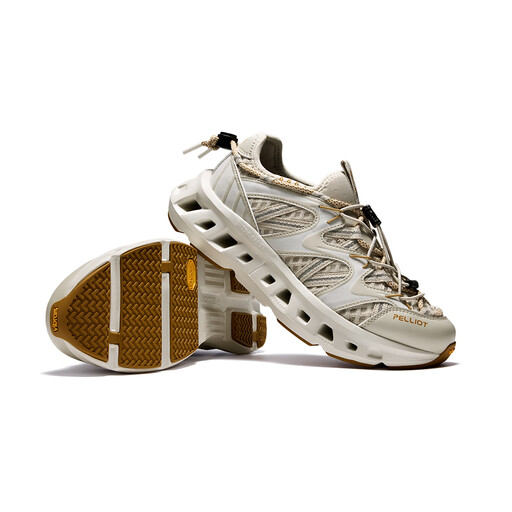
Why This Fits Their Persona: Specifically for **women's trekking shoes for water**, this model is designed for activities like kayaking, coastal walking and exploring riverbeds where you are constantly in and out of the water.
It avoids the "heavy when wet" trap by design. The combination of micro-perforated mesh and outsole drainage ports ensures water and sand are expelled immediately, keeping the shoe light and comfortable.
The EVA foam cushioning provides comfort on hard surfaces, while the Vibram Megagrip sole gives confidence on slippery ones. It's a specialised tool that excels in its intended environment.
We have compiled a complete, real-time list of products that fully satisfy these strict selection criteria and UK safety regulations.
While you can, it is not advisable for several reasons. Standard trainers absorb and hold water, becoming heavy and causing chafing. Their outsoles are typically not designed for grip on slick, wet rocks, increasing the risk of slips and falls. Finally, they take a very long time to dry out.
After each use, especially in saltwater or muddy conditions, rinse your shoes thoroughly with fresh, clean water. Remove the insoles to allow all parts to dry separately. Let them air dry completely away from direct sunlight or heat sources like radiators, as intense heat can damage the adhesives and synthetic materials. Never put them in a washing machine or tumble dryer.
The value depends on your usage. If you frequently hike in wet environments, investing in a shoe with a high-performance outsole (like a Vibram sole) and an effective drainage system is a matter of safety and comfort. For occasional use on less demanding terrain, a more versatile all-terrain shoe may suffice. The key is to match the shoe's technical features to the demands of your chosen activity.