
24/7 全天候客户支持

免费退货

当日/次日达

品质保障

开启新人专享福利: 全场免邮 | 低至 2 折 | 免费试用 30 天 JoyPlus 会员
下载 Joybuy
A waterproof phone pouch can protect a smartphone from rain, splashes, sand and accidental drops into water. However, not every transparent phone bag is suitable for swimming or kayaking. Product descriptions may use phrases such as “waterproof”, “universal fit” or “touchscreen compatible” without explaining the conditions needed for those features to work properly.
Before buying, UK shoppers should look beyond appearance and check the sealing system, phone dimensions, testing information and intended use. The right choice depends on whether you need occasional rain protection, a phone pouch for swimming or a floating phone pouch for boating and water sports.
Water resistance depends on correct sealing, wear, water pressure and exposure time. A pouch that protects against rain may not be suitable for repeated submersion. Even an IPX8 phone pouch should be used according to the supplied instructions and tested before carrying a valuable device.
Check whether the listing explains:
A transparent window may allow normal touchscreen operation above water, but water pressure and the pouch film can reduce responsiveness when submerged. Some phones also behave unpredictably when their screens are wet.
For underwater photography, it is often more practical to open the camera or recording function before submerging the phone and use physical buttons where available. A touchscreen phone dry bag is useful for checking maps, messages or music on land, but it should not be purchased on the assumption that every gesture will work perfectly underwater.
“Universal” does not mean every phone and phone case will fit comfortably. A bulky protective case can make the pouch difficult to seal. Measure the phone, including its case, against the internal dimensions supplied by the seller.
Also inspect the closure. A zip-lock combined with a fold-over seal generally gives more points to check than a simple press seal, but it still requires careful use. A phone pouch with lanyard should have a secure attachment point and a strap that is comfortable around the neck or wrist without creating a snagging risk.
An IP code describes resistance to ingress under defined testing conditions. IPX8 relates to protection during continuous immersion according to the manufacturer’s specified conditions; it does not mean that every product can be used at any depth or for any length of time.
For example, the White Label 2-in-1 pouch information states that it has passed internationally recognised testing accredited by China and can be submerged at 10 metres for up to 30 minutes without affecting normal device operation. Treat this as a stated product specification, not a reason to skip the pre-use dry-tissue test.
For everyday rain, beach use and splashes, a pouch with clear sealing instructions may be sufficient. For a phone pouch for kayaking or snorkelling, prioritise stated immersion conditions and a floating design where available.
A pouch listed for phones up to 6.7 inches may accommodate many mainstream devices, but screen size alone does not confirm a good fit. Camera bumps, phone cases and the pouch’s internal sealing area also matter.
Before ordering, compare:
Clear PVC-style windows make it easier to use the phone and frame photographs. Seals and attachment points should be inspected for creases, grit or damage. After saltwater or chlorinated-water use, rinse the pouch with fresh water and allow it to dry fully before storage.
A bright colour, such as yellow, can also make a pouch easier to locate in a beach bag or spot on the surface of the water. This is a practical visibility benefit rather than a waterproofing feature.
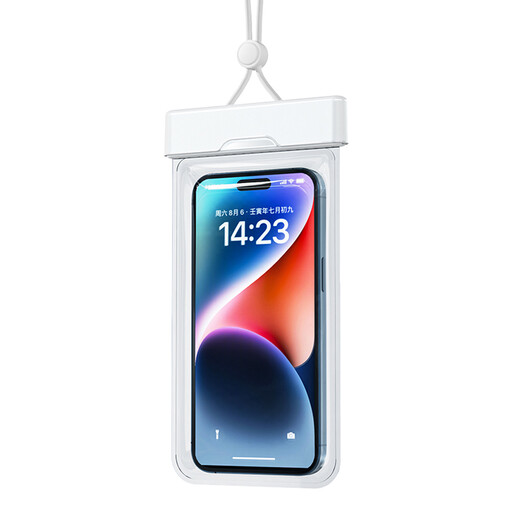
Why This Fits Their Persona: A practical option for occasional beach visits, rainy walks, holidays and poolside use where straightforward phone protection is the priority.
The product instructions specifically require a dry-tissue waterproof test before first use and careful sealing before water contact.
Designed for water, sand, dust and snow; touchscreen compatible when used above water.
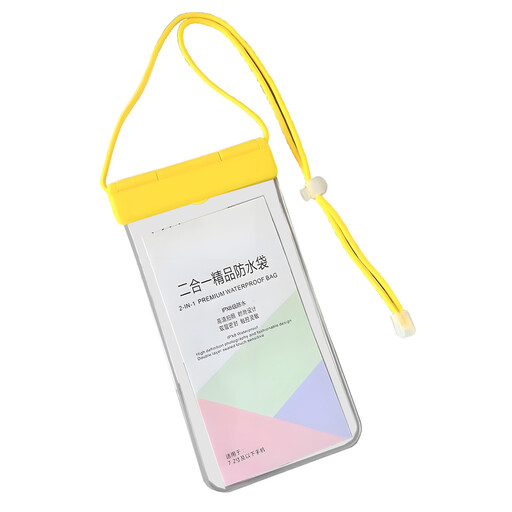
Why This Fits Their Persona: Suits users who want stated immersion specifications, a floating phone pouch and flexible carrying options for boating, swimming or beach trips.
Its listed double-lock seal combines a zip-lock and fold-over closure, while the stated IPX8 conditions provide more detail than an unqualified waterproof label.
Fits most smartphones up to 6.7 inches; includes a detachable adjustable lanyard and floating design.
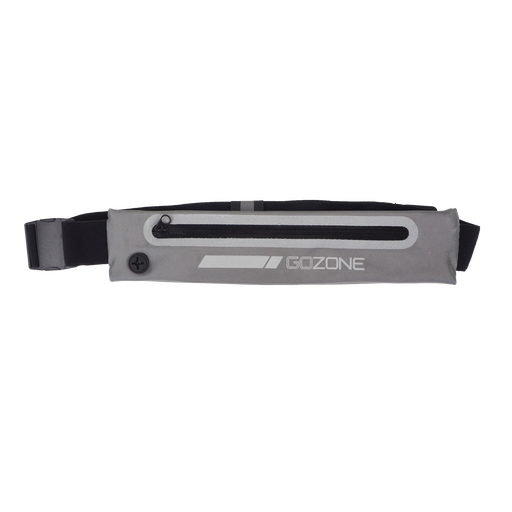
Why This Fits Their Persona: Better suited to runners, walkers, cyclists and travellers who need a low-profile phone holder for movement rather than immersion protection.
It is presented as a waist pack with an inner reinforced PVC layer, not as a substitute for a submersible waterproof phone pouch.
Adjustable 27–46-inch strap, expandable storage and reflective strips for low-light activities.
We have compiled a complete, real-time list of products that fully satisfy these strict selection criteria and UK safety regulations.
Some products are designed for submersion under stated conditions, while others are intended mainly for splashes and rain. Check the product’s IP rating, depth and time specifications. Always perform a dry-tissue test before placing your phone inside.
Touchscreen operation may work above water, but responsiveness can decrease underwater. For water-based photography, prepare the camera or recording function before submerging the device and use physical buttons where possible.
There is no universal lifespan. Frequent folding, saltwater, chlorine, grit and exposure to heat can wear seals and transparent windows. Replace the pouch if you notice cracks, cloudy material, weak closures, loose attachment points or any failed dry-tissue test.