
24/7 全天候客户支持

免费退货

当日/次日达

品质保障

开启新人专享福利: 全场免邮 | 低至 2 折 | 免费试用 30 天 JoyPlus 会员
下载 Joybuy
A roll of waterproof sealing tape can be useful for anything from a leaking gutter to a caravan awning repair. However, choosing by the word “waterproof” alone can lead to wasted money, poor adhesion and repairs that fail after the first spell of wet British weather.
The right tape depends on the surface, movement, temperature and type of repair. A butyl sealing tape may suit a roof patch, while self-fusing repair tape is more appropriate for wrapping a hose or pipe. Before buying, watch for these common traps.
Water resistance does not automatically mean suitability for continuous rain, standing water or underwater use. Some tapes need a clean, dry surface and protection from rain for 24 hours while the bond develops. Others are intended for temporary repairs rather than structural or pressurised applications.
Always check the product’s installation conditions and whether it is suitable for the material being repaired.
A tape that sticks to metal may not bond reliably to dusty timber, damp masonry, silicone, bitumen or textured plastic. Adhesive performance can also be affected by oil-based wood treatments, condensation, grime and loose paint.
For outdoor timber, a decking and joist tape with an acrylic adhesive may be more suitable than general-purpose duct tape. For a flexible hose, a self-fusing silicone tape can form a tighter wrap because it bonds to itself rather than relying solely on surface adhesive.
A narrow roll may be economical for cable wrapping but impractical for a roof or window repair. Conversely, a wide roll can be difficult to position around a small pipe. Compare the width, length and thickness rather than judging value by the roll price alone.
A 100 mm wide roll covers a larger patch with fewer joins, while a 50 mm roll may be easier to handle for household repairs.
Check the roll size against the repair. For a seam or crack, allow enough tape to extend beyond the damaged area on every side. Overlap adjoining strips where necessary; the decking tape guidance supplied with one product recommends at least 25 mm overlap at joints.
Thickness also affects handling. A thicker tape may provide more material over an uneven surface, but it can be harder to fold neatly around tight corners. For cables and small hoses, a 19–25 mm roll may be more manageable than a 100 mm roll.
Outdoor repairs in the UK face rain, frost, summer heat and ultraviolet exposure. Some butyl products listed here specify a temperature range of -40°C to 80°C and UV resistance, but application still requires a clean, dry surface. Do not assume that storage or application in freezing, wet or heavily contaminated conditions will produce the same result.
For a reliable installation:
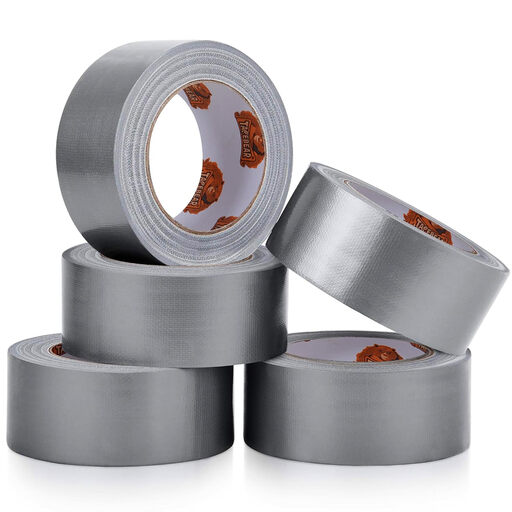
Why This Fits Their Persona: A multi-roll option for household toolboxes, packing, bundling and temporary repairs around a flat, garage or workshop.
The listing specifies a fabric-reinforced backing, 9 mil thickness and hand-tear format, making its construction clearer than a generic “strong tape” description.
Five rolls, 48 mm width per roll and a writable surface. Suitable for general repairs, but not a replacement for specialist roof or pipe tape.
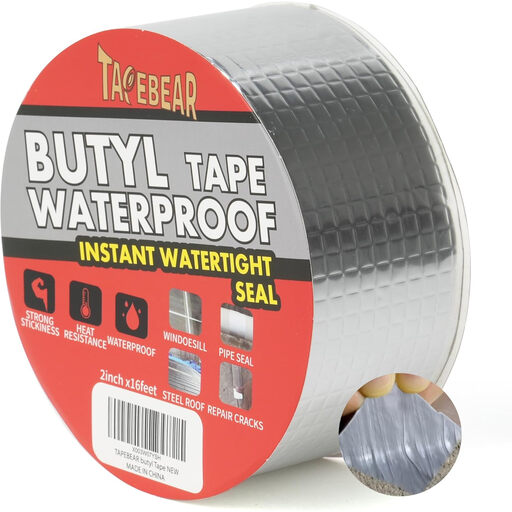
Why This Fits Their Persona: Suitable for homeowners, caravan owners and maintenance professionals wanting a wider foil-backed sealing strip for planned outdoor repairs.
The product information identifies pure butyl rubber, PET aluminium foil, non-woven fabric and an anti-ageing film instead of relying only on a waterproof label.
Flexible construction, silver foil backing and stated UV and temperature resistance. Apply only to clean, dry surfaces and protect from rain for 24 hours.
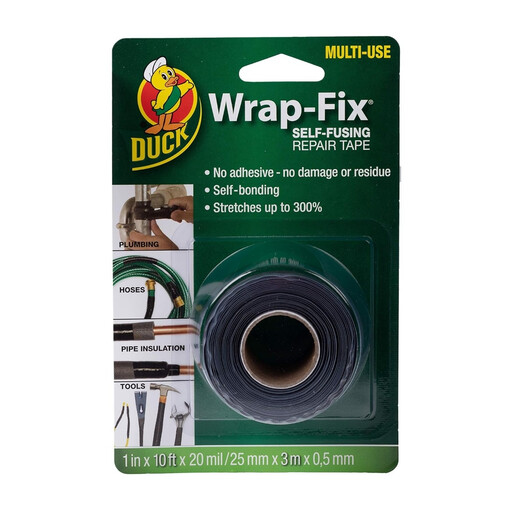
Why This Fits Their Persona: A practical choice for plumbers, vehicle owners, boat users and DIYers dealing with flexible hoses, pipe joints or awkward fittings.
It does not depend on adhesive sticking to a wet or irregular surface: the silicone-based tape fuses to itself when stretched and wrapped.
No separate glue or tools are required, and the tape is designed to form a watertight wrap around pipes, hoses and cables. Check suitability for pressurised systems before use.
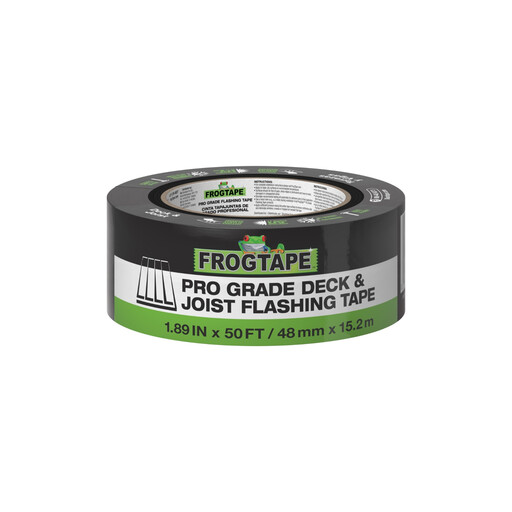
Why This Fits Their Persona: Designed for UK decking, pergola and outdoor stair projects where exposed timber edges need an additional moisture barrier.
The supplied guidance specifies clean, dry timber above 5°C and states that the tape is supplementary protection, not a substitute for flashing or timber treatment.
The listing specifies a UV-stabilised PE composite backing, fibre reinforcement and self-healing around nails and screws.
For electrical work, choose purpose-made electrical insulating tape, such as a PVC product with clear voltage and temperature instructions. Isolate power before working and follow applicable UK electrical requirements; insulating tape should not be treated as the sole solution for high-voltage or critical connections.
For pipework exposed to damp or soil, corrosion protection pipe tape is designed to wrap with overlap around the pipe. For flooring, double-sided carpet tape is more appropriate than waterproof patching tape. A conventional leak repair tape or duct tape may help with a short-term fix, but it should not replace a proper plumbing, roofing or building repair where safety or water pressure is involved.
We have compiled a complete, real-time list of products that fully satisfy these strict selection criteria and UK safety regulations.
Service life depends on the tape material, surface preparation, UV exposure, movement and water conditions. Inspect outdoor repairs periodically, particularly after frost, heavy rain or strong sunlight. Replace tape if edges lift, the backing cracks or moisture reaches the damaged area.
Many adhesive-backed tapes require a clean and completely dry surface. Applying them to damp, dirty or frosty material can reduce adhesion. Self-fusing silicone tape may be suitable for some wet or underwater emergency repairs, but always check the specific product instructions.
Not automatically. A self-fusing repair tape may help with certain temporary hose or pipe repairs, but pressurised water, gas and heating systems require products rated for that application and may need a qualified tradesperson. Check pressure, temperature and material compatibility before buying.