
24/7 Customer Support

Free returns

Same-day & Next-day Delivery

Quality Guaranteed

Unlock Your Welcome Offers: FREE Delivery | Up to 80% OFF | Free 30-day JoyPlus trial
Download the APP
A whiteboard can support office planning, classroom teaching, home organisation and children’s creative play. However, choosing the wrong size, surface or accessories can quickly turn a useful purchase into an unused board taking up wall space.
Three common buying pitfalls are worth checking before you order:
This guide explains the practical specifications to compare, followed by our top recommendations for different UK households and working environments.
Measure the wall before selecting a large whiteboard. Remember to allow room around the frame for writing, cleaning and, where relevant, opening doors or cupboards.
Common uses include:
A 24 × 18-inch board is a practical format for a small footprint. For group use, a 1200 × 1800mm board provides substantially more writing area, but check the wall structure and installation instructions before buying.
A standard dry-erase whiteboard is designed for writing with compatible dry-erase markers and wiping the ink away. A magnetic whiteboard adds another function: magnets can hold notes, printed documents or teaching cards directly on the surface.
Check the product description for the stated surface construction. The M&G 1200 × 1800mm model is described as having a magnetic steel writing surface with a high-gloss polymer coating. The Deli Premium Magnetic Whiteboard range is listed with a silver frame and a 1200 × 1800mm format.
Do not assume that every white-looking board is magnetic. If you need to display paperwork, confirm that magnetic use is specifically listed.
The right whiteboard markers should be labelled as dry-erase. The BIC Ecolutions Velleda 1701 set contains 12 red markers with bullet tips and water-based ink. Store markers horizontally when possible and replace the cap firmly after use to reduce the risk of the tip drying out.
A suitable whiteboard eraser helps remove everyday ink without scratching the writing surface. Useful details to compare include:
Avoid abrasive pads and do not use permanent markers on a dry-erase board. For deeper cleaning, follow the board manufacturer’s care instructions rather than relying on household solvents.
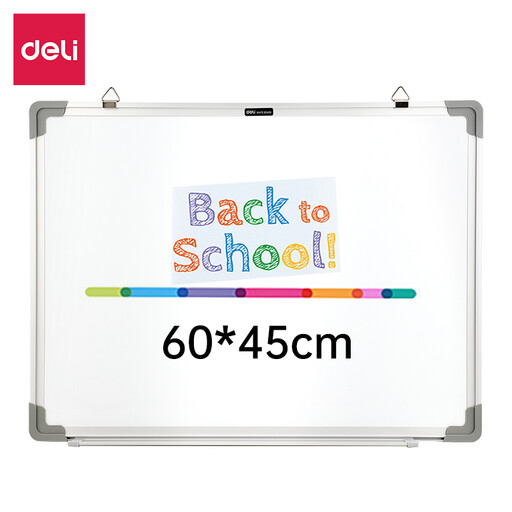
Why This Fits Their Persona: The 24 × 18-inch format is suited to a home office, bedroom, student desk area or small footprint where a 1200 × 1800mm board would be excessive.
Its stated dimensions make the available writing area clear before purchase, helping avoid choosing a board that is too large for the intended wall.
Compact 24 × 18-inch format; designed for dry-erase office planning.
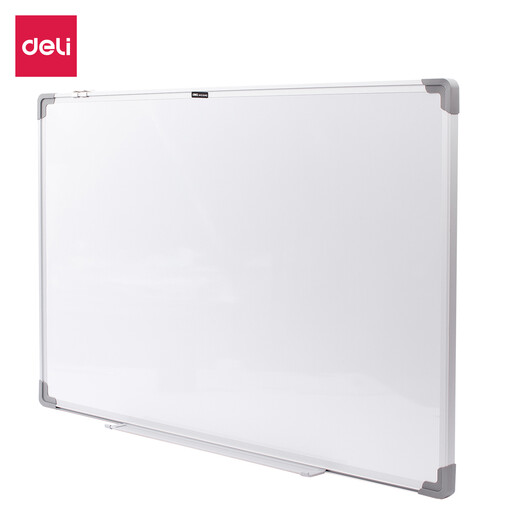
Why This Fits Their Persona: This large magnetic board is suited to home offices, study rooms and shared planning areas where writing and displaying documents are both useful.
The 1200 × 1800mm size and magnetic function are specified clearly, so buyers can check both wall capacity and intended use.
Large 1200 × 1800mm surface; magnetic design with a silver frame.
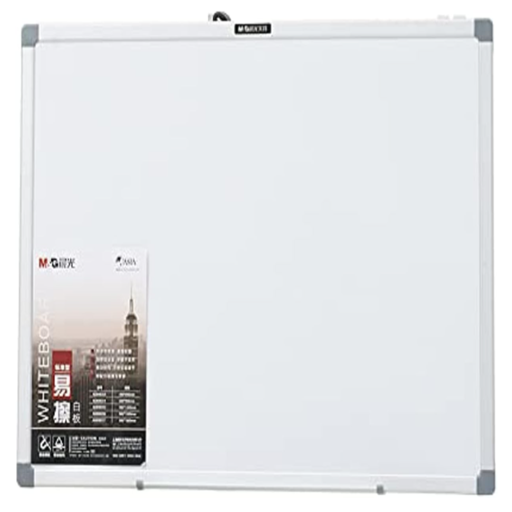
Why This Fits Their Persona: Its large format and included accessories suit meeting rooms, lecture spaces, classrooms and collaborative office work.
The set includes an eraser, two markers and four magnetic buttons, reducing the need to buy essential accessories separately.
1200 × 1800mm magnetic steel surface; supplied with writing and display accessories.
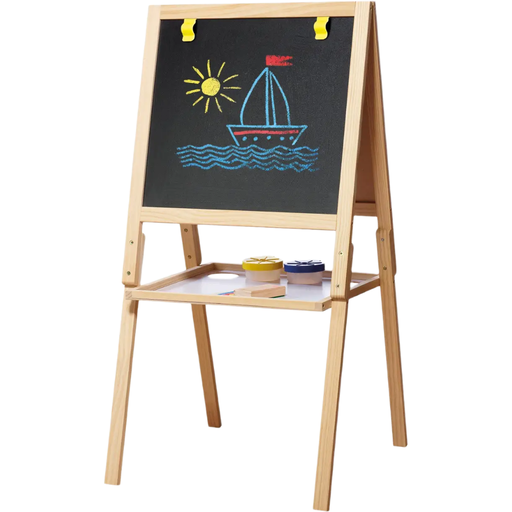
Why This Fits Their Persona: Families wanting drawing, writing and chalk activities in one freestanding station can switch between the two surfaces without installing a wall board.
It combines a chalkboard and magnetic wipe-clean whiteboard, while the supplied wiper, clips, chalk and water beakers support varied activities.
Double-sided wooden easel; suitable from age four, with adult supervision advised.
A board is only as practical as the items used with it. Consider adding:
For children’s easels, check age guidance carefully. The AIYAPLAY 3-in-1 model is specified for ages 3–6, includes storage baskets and carries EN71-1-2-3 and EN717-1 certification details. Its chalks, markers and erasers are not included, so these may need to be purchased separately.
We have compiled a complete, real-time list of products that fully satisfy these strict selection criteria and UK safety regulations.
Yes. A compact dry-erase whiteboard can be used for task lists, revision, meal planning and appointments. Measure the available wall space and choose a board that can be reached and cleaned comfortably.
Lifespan depends on surface quality, marker choice, cleaning habits and frequency of use. Using dry-erase markers, replacing worn erasers and avoiding abrasive cleaners can help preserve the writing surface. Heavy-use offices and classrooms may need more frequent cleaning and accessory replacement.
No. Magnetic function relates to attaching items to the board; writing still requires compatible dry-erase markers. Use magnets designed for the board and keep small magnetic buttons away from young children because they can present a choking hazard.