
24/7 Customer Support

Free returns

Same-day & Next-day Delivery

Quality Guaranteed

Unlock Your Welcome Offers: FREE Delivery | Up to 80% OFF | Free 30-day JoyPlus trial
Download the APP
As a content creator, you know that compelling visuals are only half the story. Poor audio quality—whether it's muffled dialogue, distracting background noise or the sound cutting out—can quickly cause your audience to lose interest. While the built-in microphones on smartphones and cameras have improved, they often fall short for professional-sounding results.
A dedicated wireless microphone is a straightforward way to elevate your audio, ensuring your voice is captured with clarity and consistency. This guide is designed to help you navigate the options and find a reliable tool for your vlogs, interviews or live streams. We will look at key features to consider and present some of our top recommendations for 2026.
Choosing the right microphone involves more than just price. Here are a few practical points to consider to ensure you get a device that fits your creative workflow.
The first step is to ensure the microphone works with your existing equipment. Many modern systems offer great flexibility. Look for kits that include adapters for different devices, such as Type-C for newer iPhones and Android phones, and TRS/TRRS cables for cameras. A good wireless mic for camera use will often have a receiver that can mount on a camera's hot shoe, while a clip on microphone for iPhone should have a compact receiver that plugs directly into the charging port.
The primary goal is clear audio. A key feature to look for is a noise cancelling microphone function, often powered by a Digital Signal Processor (DSP) chip. This technology is designed to filter out ambient sounds like wind, traffic or air conditioning, making your voice stand out. Also, consider the wireless transmission range. A stable connection over a longer distance gives you more freedom to move during filming, which is essential for a dynamic mic for vlogging.
For creators on the move, battery life is critical. Many wireless systems now come with a charging case that not only protects the components but also recharges the transmitters and receiver, extending their total operational time significantly. A small microphone for recording that is lightweight and easy to clip on, like a lapel mic for YouTube, offers convenience without compromising on performance.
Here are a few wireless microphone systems that offer a strong combination of features, performance and value for content creators.
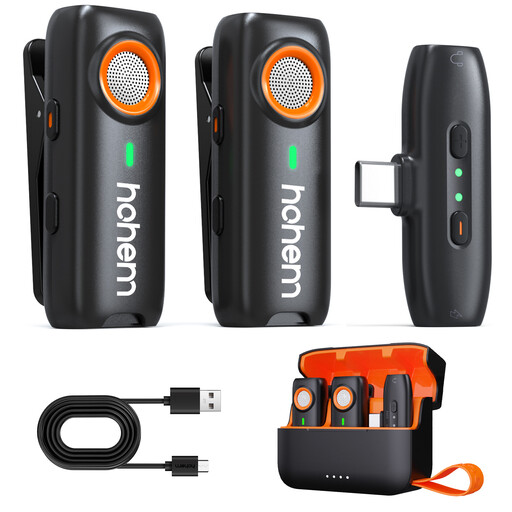
Why It Stands Out: The hohem system is a versatile option packed with practical features. Its standout function is the adjustable 3-level DSP noise cancelling, which allows you to adapt to different recording environments, from a quiet room to a busy street. Another significant advantage is the onboard TF card slot for local backup recording, providing a safety net against wireless interference or signal loss.
Pros:
Who is it for? This is an excellent all-rounder for vloggers and interviewers who need reliable audio with adaptable noise reduction and the security of backup recording.
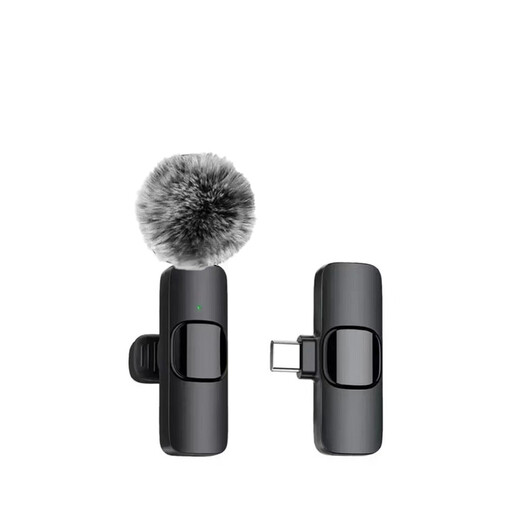
Why It Stands Out: The Verbex K9 prioritises simplicity and ease of use. It's a plug-and-play system designed for creators who want to improve their audio with minimal setup. The receiver plugs directly into a device's Type-C port, and the transmitter pairs automatically, making it ready to use in seconds. Its compact size makes it a discreet and highly portable small microphone for recording.
Pros:
Who is it for? Beginner content creators, live streamers and anyone needing a straightforward, affordable audio upgrade for their Type-C compatible devices.
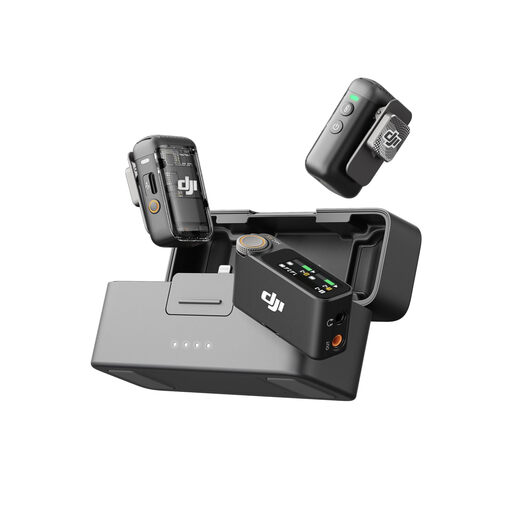
Why It Stands Out: The DJI Mic 2 is a premium system engineered for creators who demand high-end features and reliability. Its intelligent noise cancelling effectively isolates vocals in challenging environments. The most notable feature is its support for 32-bit float internal recording. This provides a massive dynamic range, making it virtually impossible to "clip" or distort the audio if sound levels spike unexpectedly, offering immense flexibility in post-production.
Pros:
Who is it for? Professional and serious content creators, journalists and filmmakers who require top-tier audio quality, a fail-safe recording option and extended wireless range.
If these recommendations don't quite match what you're looking for, or if you need a device for a more specific purpose, there are many other models available.
? Explore our full range of noise reduction recorders to find the perfect fit.
1. Can I use a wireless microphone with my iPhone? Yes. Many modern wireless microphone systems are designed for smartphones. For newer iPhones (iPhone 15 and later), you will need a system with a Type-C receiver. For older models with a Lightning port, you will need a system with a Lightning receiver or use a certified Type-C to Lightning adapter. Always check the product specifications for compatibility.
2. What is a wireless lavalier microphone? A wireless lavalier microphone, also known as a lapel mic, is a small, discreet microphone that clips onto clothing, typically a collar or lapel. It connects to a wireless transmitter pack that is worn on a belt or placed in a pocket. This setup allows for hands-free operation and consistent audio levels as the speaker moves, making it a popular choice for interviews, presentations and YouTube videos.
3. How important is noise cancelling for a vlogging mic? For vlogging, especially when filming outdoors or in public spaces, a noise cancelling microphone is extremely valuable. It helps to reduce unwanted background sounds like wind, traffic and crowd chatter, ensuring your voice remains the focus. This results in a more professional and pleasant listening experience for your audience, which can significantly improve viewer retention.