
24/7 Customer Support

Free returns

Same-day & Next-day Delivery

Quality Guaranteed

Unlock Your Welcome Offers: FREE Delivery | Up to 80% OFF | Free 30-day JoyPlus trial
Download the APP
Women’s vests can make transitional dressing easier, but the wrong design may quickly become an expensive wardrobe extra. A cropped puffer vest might look versatile online yet sit awkwardly over thicker jumpers. A sweater vest may appear soft but feel restrictive at the armholes. Reflective safety vests can also disappoint if the fastenings loosen or the reflective strips become obscured by outerwear.
Before buying, look beyond colour and promotional wording. The most useful questions are practical: Will it fit over the layers you already wear? Is the fabric suitable for the weather? Can you maintain it without damaging the finish?
A cropped puffer vest works well with high-waisted jeans, leggings and hoodies, but it offers less coverage around the hips. A longline puffer vest provides more coverage and can be easier to wear over jumpers, although it may feel bulky when sitting or travelling.
Consider your main use before selecting a silhouette:
“Lightweight warm vest” is useful search wording, but it does not describe a universal performance standard. Warmth depends on the filling, fabric construction, coverage and how closely the garment fits.
Check the product description for material details, quilting, fabric weight and care instructions. Polyester padding can offer a practical layer without the maintenance associated with some natural fillings, but thickness and construction still affect insulation. A vest that is too loose may allow cold air in, while one that is too tight can compress the filling and restrict movement.
A fashion vest and a reflective safety vest serve different purposes. A high-visibility garment for roadside work, cycling or night walking should be easy to fasten over the clothing you normally wear. Reflective strips need to remain visible, and the vest should not shift during movement.
For worksite use, check whether the garment has the relevant UK or European high-visibility certification, such as EN ISO 20471, where required by your employer or risk assessment. Do not assume that a fluorescent colour alone means a product is certified.
Use the seller’s size chart rather than relying only on S, M, L or XXL. Compare chest, shoulder and garment length measurements with a vest or jacket you already own.
For a puffer style, allow room for:
A V-neck sweater vest usually benefits from a relaxed fit over a shirt or blouse. Deep V-necks can create a more open neckline, while ribbed hems and side slits may improve drape over trousers or skirts.
Material information helps you compare garments more realistically. A blend of 60% cotton and 40% acrylic, for example, may offer a soft, flexible knit with simpler care than some delicate fibres. Polyester shells and fillings are common in padded outerwear because they are lightweight and relatively straightforward to maintain.
Look for construction details such as:
Care instructions affect the real cost and convenience of a garment. Some knit styles can be machine washed on a delicate cold cycle, while certain long padded designs recommend dry cleaning and flat drying. A vest that requires specialist care may be less suitable for frequent outdoor use.
For reflective garments, avoid bleach, harsh detergents, high heat and ironing over reflective strips. Inspect the fabric, fasteners and reflective areas regularly, particularly if the vest is used for cycling, roadside assistance or outdoor work.

Why This Fits Their Persona: A practical choice for shoppers wanting one casual layer for spring, autumn and mild winter days. The khaki colour works with denim, neutral knitwear and darker coats.
The description specifies a zip front, stand collar and adjustable drawstring hem, giving more control than an unstructured cropped layer.
Polyester construction; sleeveless design; adjustable hem; suitable for layering over hoodies or long-sleeve tops.
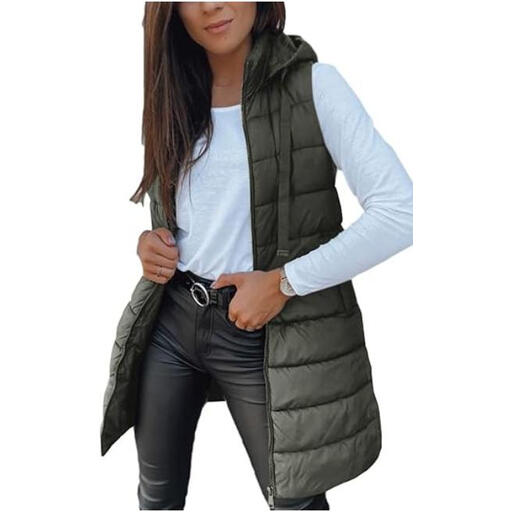
Why This Fits Their Persona: Suits shoppers prioritising coverage, a clean quilted finish and a structured fit for commuting or regular cold-weather layering.
The product information states the fabric weight as 280 GSM and clearly lists dry-cleaning care, helping buyers plan for maintenance.
100% polyester shell and filling; hooded longline cut; side zip closure; designed to layer over knitwear.
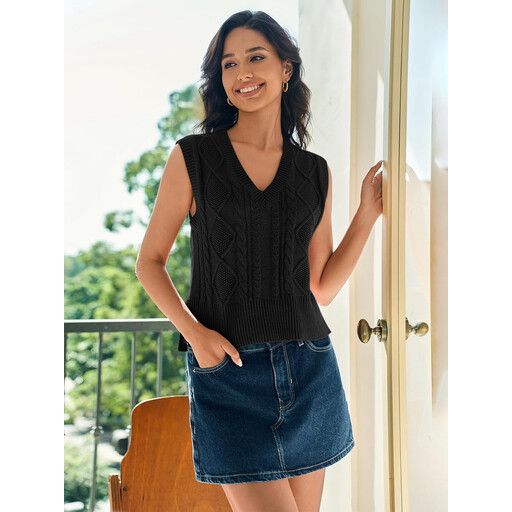
Why This Fits Their Persona: Suitable for anyone building flexible outfits around shirts, blouses, jeans, skirts or leggings rather than seeking a padded outer layer.
The stated cotton-acrylic blend and stretchy knit provide more information than a vague “soft-touch” description alone.
60% cotton and 40% acrylic; V-neck; ribbed cable-knit pattern; delicate machine-wash guidance.
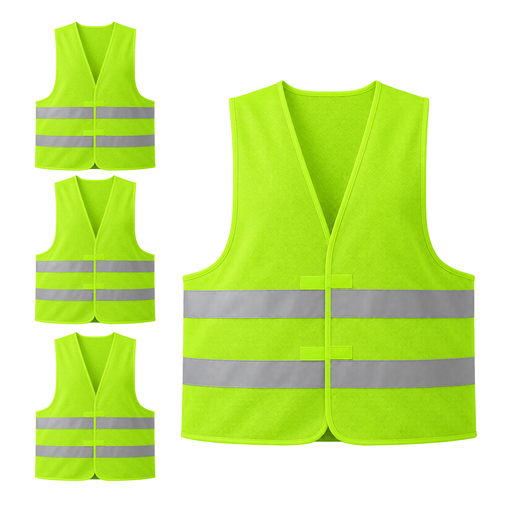
Why This Fits Their Persona: A practical option for households, drivers, outdoor workers or groups needing several lightweight visibility garments for roadside or active use.
The design includes two wraparound reflective strips, dual hook-and-loop fasteners and instructions to keep the strips visible over outer garments.
Four-piece pack; breathable polyester fabric; fluorescent yellow-green colour; washable and reusable construction.
We have compiled a complete, real-time list of products that fully satisfy these strict selection criteria and UK safety regulations.
Choose a base layer according to the weather and the vest’s fit. A long-sleeve T-shirt suits mild conditions, while a hoodie, fleece or jumper may be more suitable for colder days. Check that the armholes do not restrict movement and that the zip closes comfortably over the chosen layer.
A sweater vest can add warmth around the torso, but it does not replace a coat. Layer a sleeveless knit vest over a shirt or long-sleeve top, then add a jacket or coat when temperatures fall. Acrylic-cotton blends may require different care from padded polyester designs, so follow the garment label.
There is no universal lifespan. Frequency of use, washing, sunlight, dirt and mechanical wear all affect visibility. Inspect reflective strips, fasteners and fabric before use, and replace the vest if the strips peel, fade or no longer reflect clearly. A reflective vest is an aid to visibility and should not replace suitable lighting, approved protective equipment or safe road behaviour.