
24/7 Customer Support

Free returns

Same-day & Next-day Delivery

Quality Guaranteed

Unlock Your Welcome Offers: FREE Delivery | Up to 80% OFF | Free 30-day JoyPlus trial
Download the APP
As a Joybuy Product Recommendation Officer, my role is to help you navigate the crowded marketplace. When it comes to choosing a 26 inch fat tyre mountain bike, it's easy to be swayed by aggressive marketing and impressive-looking features. However, many buyers find themselves with a bike that is heavy, inefficient and ill-suited to UK conditions.
This guide cuts through the clutter. We will focus on the common purchasing pitfalls that lead to disappointment and highlight the essential features that define a truly capable and durable fat bike.
Before you add any bike to your basket, be aware of these frequent traps that catch out unwary buyers.
The "Bigger is Better" Tyre Myth: Many brands push enormous 4.5-inch or even 5-inch tyres as the ultimate feature. While they look impressive, for most UK trails and recreational use, they are often overkill. Excessively wide tyres can make the bike feel sluggish and heavy on pavements or hard-packed trails, demanding significantly more effort to pedal. A versatile 4.0-inch tyre provides an excellent balance of grip for challenging surfaces without sacrificing too much efficiency for everyday riding.
Ignoring the Frame Material: The frame is the backbone of your bike, yet its material is often buried in the specifications. Some entry-level models use basic, heavy steel that is prone to rust, especially in the damp British climate. A bike built with a Hi-ten steel frame offers a noticeable improvement, providing a good combination of strength, durability and vibration absorption without the excessive weight of lower-grade steel.
Settling for Inadequate Brakes: A heavy bike with wide tyres needs serious stopping power. It is a significant red flag if a fat bike is equipped with traditional V-brakes (rim brakes). They can lack the force needed to stop a heavy wheel, and their performance degrades substantially in wet and muddy conditions. A reliable mountain bike with disc brakes is a non-negotiable safety feature for an all terrain mountain bike, ensuring consistent stopping power whether you are on a dry path or a rain-slicked trail.
To ensure your new bike is a joy to ride, not a chore, focus on these three core specifications.
For a recreational fat bike, a complex 21 or 24-speed system can be unnecessary and add to maintenance woes. A quality 7 speed mountain bike drivetrain, particularly one using components from a reputable manufacturer like Shimano, offers the ideal balance. It provides enough range to tackle moderate hills and varied terrain while remaining simple, reliable and easy to maintain. This setup is perfect for riders who want to explore trails, beaches and country lanes without needing the complexity of a professional racing bike.
The combination of the frame and fork dictates the bike's handling and comfort. A durable steel frame fat bike is an excellent choice for entry-level and recreational riders. Steel is known for its strength and natural ability to absorb bumps and vibrations from the ground, leading to a smoother, less jarring ride compared to some rigid aluminium frames. This makes it particularly suitable for a bike for snow and sand, where the frame works with the tyres to smooth out uneven surfaces.
As mentioned, disc brakes are essential. There are two main types: hydraulic and mechanical. While hydraulic brakes offer premium performance, a well-made dual mechanical disc brake system is more than capable for most riders. They provide strong, reliable stopping power in all conditions and are generally easier for a home user to adjust and maintain. This feature turns a standard bike into a capable, unisex MTB that can be ridden with confidence year-round.
Based on these practical criteria, here are our recommendations matched to specific rider profiles.
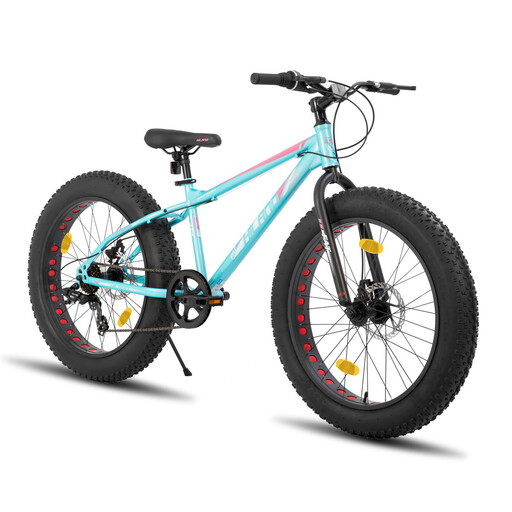
Why This Fits Their Persona: This bike is ideal for UK riders who want one versatile machine to handle woodland trails, gravel paths and even a trip to a sandy or snowy landscape. It provides the key features of a capable fat bike without a prohibitive price tag, making it a great entry point into all-terrain cycling.
It features reliable dual mechanical disc brakes, not weak V-brakes. The Hi-ten steel frame offers durability and the 4.0-inch tyres provide excellent grip without being excessively slow on harder surfaces.
Equipped with a professional Shimano 7-speed drivetrain and a grip shifter, allowing for smooth and easy gear changes to tackle varied terrain efficiently.
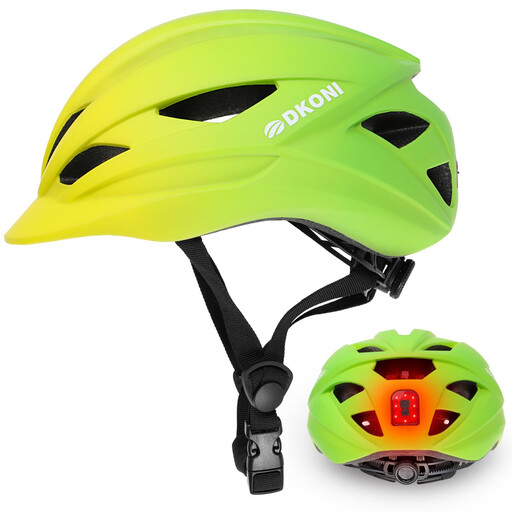
Why This Fits Their Persona: A helmet is not an accessory; it's essential equipment. This is for the rider who understands that visibility is just as important as impact protection, especially during commutes or rides in the UK's often overcast conditions.
Instead of a basic helmet, this model uses in-mould construction (PC shell and high-density EPS foam) for lightweight durability. It integrates a key safety feature—a rear light—that would otherwise be a separate purchase.
Features a removable, USB rechargeable LED rear light with two modes, significantly enhancing rider visibility to others. The 15-vent design ensures good airflow and comfort.
We have compiled a complete, real-time list of products that fully satisfy these strict selection criteria and UK safety regulations.
Most fat bikes, like the HILAND Roon model, arrive 85% pre-assembled. The final assembly typically involves attaching the front wheel, handlebars, pedals and saddle. The process usually takes around 25-30 minutes and requires basic tools, which are often included. Following the provided instructions or an online video guide makes it a straightforward task for most people.
There is a trade-off. The wide, low-pressure tyres that provide incredible grip on loose surfaces do create more rolling resistance on tarmac compared to a standard road bike. You will expend more energy to maintain the same speed. However, many riders find the superior stability, comfort and go-anywhere capability to be a worthwhile exchange for pure speed.
The key to maintaining a steel frame fat bike in the UK is managing moisture. After a wet or muddy ride, it is good practice to wipe the frame down with a damp cloth and then dry it thoroughly to prevent surface rust. Beyond that, regular maintenance is similar to any other bike: periodically check tyre pressure, ensure the brakes are responsive and keep the chain clean and lubricated.