
24/7 Customer Support

Free returns

Same-day & Next-day Delivery

Quality Guaranteed

Unlock Your Welcome Offers: FREE Delivery | Up to 80% OFF | Free 30-day JoyPlus trial
Download the APP
Navigating the world of televisions can feel like wading through a swamp of acronyms and marketing buzzwords. Every box promises a revolutionary viewing experience, but the reality in your living room can often fall short. Many UK shoppers find themselves disappointed, having spent a significant amount on a new 4K Smart TV that doesn't live up to the hype. The key isn't to memorise every technical term, but to understand the common pitfalls that lead to a poor purchase.
As a Joybuy Product Recommendation Officer, my role is to help you sidestep these traps. We will focus on the practical features that genuinely impact your viewing, whether you're settling in for a film night, catching up on streaming or diving into a gaming session. Let's cut through the clutter and identify what truly matters.
Before you even look at a screen size, be aware of these common marketing tactics that can lead to buyer's remorse:
To ensure you get a television that performs well for years to come, focus on these non-negotiable specifications.
The type of panel technology used is fundamental to picture quality. Here’s a simple breakdown:
For many households, the TV is the central hub for more than just streaming. If you own or plan to buy a modern games console like a PlayStation 5 or Xbox Series X, two features are essential:
For audio, look for support for Dolby Atmos TV and an HDMI port labelled 'eARC'. This allows the TV to send high-quality, immersive audio signals to a compatible soundbar or AV receiver.
Instead of a generic list, we've matched specific models to different UK user needs, explaining how each one addresses the common pitfalls.
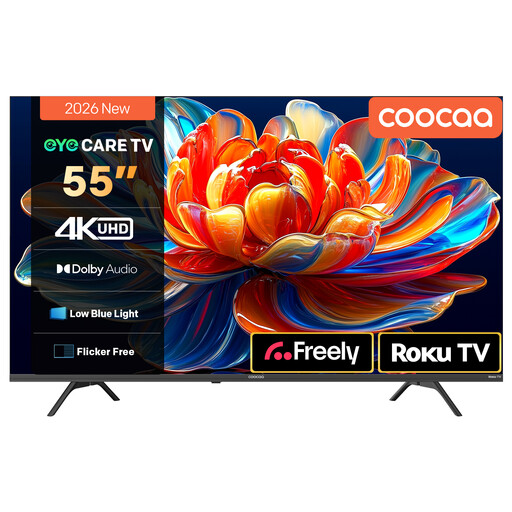
Why This Fits Their Persona: This is for the family or individual who wants a large, straightforward 55 inch 4K TV for streaming without a hefty price tag. The focus is on ease of use and access to all major UK streaming apps.
It sidesteps the "Unresponsive Smart OS" trap by using the Roku TV platform. Roku is known for being fast, simple and having long-term support for a vast range of apps, including Freely, BBC iPlayer and Netflix.
Offers a large 55-inch 4K panel and a premium smart TV experience at an accessible price point. It also includes Dolby Audio for clearer sound than many entry-level sets.
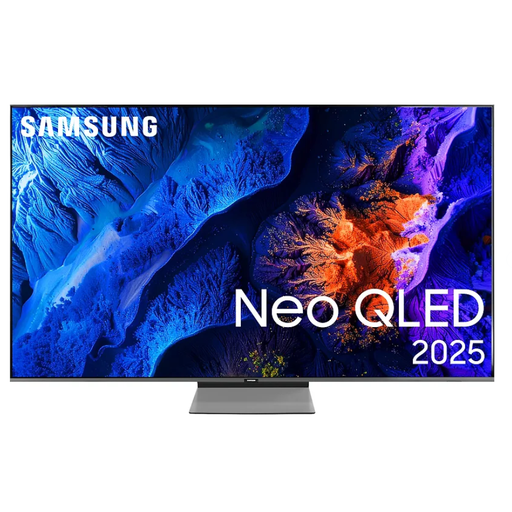
Why This Fits Their Persona: This user prioritises performance for their next-gen console. They need a TV that delivers a smooth, responsive and visually impressive gaming experience without compromise.
It directly counters the "Smooth Motion" illusion by featuring a true 144Hz native panel and four HDMI 2.1 ports. This guarantees genuine high-frame-rate gaming, not just software-based smoothing.
Its comprehensive gaming feature set (VRR, ALLM and FreeSync Premium Pro) and Neo QLED technology provide both top-tier responsiveness and outstanding picture quality with excellent brightness and colour.
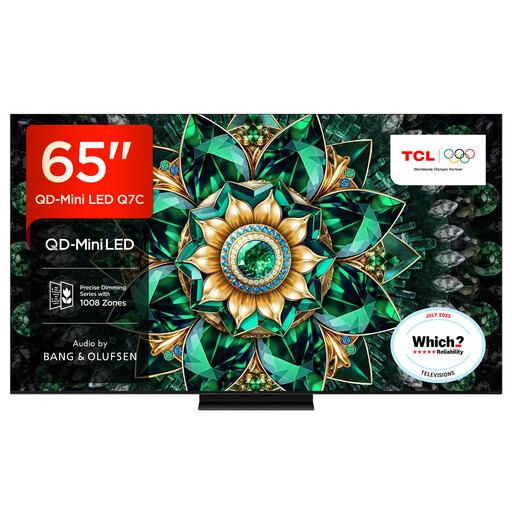
Why This Fits Their Persona: This is for the movie lover who wants a truly cinematic experience at home. They need a large 65 inch smart TV with exceptional contrast, brightness and immersive audio for blockbuster films.
It avoids the "Misleading HDR" trap with its QD-Mini LED technology. With up to 2048 local dimming zones and high peak brightness, it can display genuine, high-impact HDR with deep blacks and brilliant highlights.
The combination of a 144Hz native panel, advanced Mini LED backlighting and a premium audio system co-engineered by Bang & Olufsen provides a complete, high-performance home cinema package.
We have compiled a complete, real-time list of products that fully satisfy these strict selection criteria and UK safety regulations.
1. Do I need a TV licence for a 4K Smart TV in the UK? Yes, you need a TV Licence if you watch or record programmes as they are being shown on TV or live on an online TV service, or if you download or watch any BBC programmes on BBC iPlayer. This applies to any device you use, including a smart TV. The requirement is based on what you watch, not the equipment you own.
2. What is the real-world difference between a 55-inch and a 65-inch TV? While a 10-inch diagonal difference might not sound huge, a 65 inch smart TV has almost 40% more screen area than a 55 inch 4K TV. In an average-sized UK living room (viewing from 7-10 feet away), the larger screen provides a much more immersive, cinema-like feel. If your budget and space allow, the upgrade to 65 inches is often one of the most noticeable improvements you can make to your viewing experience.
3. How long should I expect a new 4K Smart TV to last? The physical lifespan of a modern television panel is typically quite long, often lasting 7-10 years or more under normal use. However, the "smart" functionality is a different story. The processor and operating system may start to feel slow after 4-5 years, and some streaming apps may eventually lose support. Choosing a TV with a well-established OS like Google TV, Tizen or Roku can help extend its useful smart life.