
24/7 Customer Support

Free returns

Same-day & Next-day Delivery

Quality Guaranteed

Unlock Your Welcome Offers: FREE Delivery | Up to 80% OFF | Free 30-day JoyPlus trial
Download the APP
Long-distance exercise creates a simple shopping problem: you need convenient fuel, but the wrong gel can leave you with too little carbohydrate, unwanted caffeine or an unpleasant texture. Applied Nutrition energy gels cover several different uses, from everyday endurance fuelling to high-caffeine pre-workout support.
Before buying, look beyond flavour and promotional wording. The important differences are carbohydrate quantity, caffeine level, electrolyte content, intended timing and serving limits.
A zero-sugar energy gel may still contain carbohydrates, usually from maltodextrin or another carbohydrate source. That is not automatically a problem: carbohydrates are the main reason many athletes use an endurance energy gel. However, the terms describe different things.
For example, Applied Nutrition’s standard isotonic endurance gels provide approximately 23.1g of carbohydrate per 60g sachet, with the nutrition information listing 0g sugars. By contrast, the Endurance Elite Tri-Carb range provides 40g of carbohydrate per 60ml gel, including 19g listed as sugars.
Check the nutrition panel rather than assuming that “clean energy” means a particular carbohydrate level.
A caffeinated energy gel can be useful before or during demanding exercise, but it is not suitable for every session. The Applied Nutrition Sprint Energy Gel contains 75mg caffeine per gel, while the ABE Pre-Workout Gel contains 200mg caffeine per gel and is designed for use before training.
If you already drink coffee, tea or an energy drink, adding a gel can increase your total caffeine intake. Caffeine-sensitive users should consider a caffeine-free energy gel instead and follow the product’s age, medical and dosage warnings.
An isotonic energy gel is designed to be consumed directly and may not require additional water for intake. That does not mean it replaces normal hydration during a long run, ride or triathlon. Sweat loss, weather, pace and exercise duration still affect how much fluid you need.
Also check the electrolyte panel. Some products contain sodium, chloride and magnesium, while others focus mainly on carbohydrate delivery.
For energy gels for runners and cyclists, compare the carbohydrate amount per sachet, not just the packet size. The products in this range include:
A 40g carbohydrate gel may suit longer or more demanding sessions, while a 23g carbohydrate gel can be easier to portion across a training session. Your choice should match your wider fuelling plan, rather than relying on a single product claim.
A caffeine-free formulation is suitable when you want carbohydrate support without a stimulant. A 75mg caffeinated energy gel provides a moderate, clearly stated amount per serving. The ABE range is different: each serving contains 200mg caffeine, alongside citrulline malate, creatine monohydrate, beta-alanine and taurine.
The ABE label instructs users to take one gel around 15 minutes before exercise, with a maximum of one gel per day. Sprint products are listed for use before or during exercise, but users should follow the specific pack instructions and avoid combining multiple stimulant sources.
If you sweat heavily or train in warmer conditions, compare sodium and other electrolyte figures. The Endurance Elite products list 250mg sodium per gel, while the Sprint range lists sodium, chloride and magnesium alongside B vitamins.
For competitive athletes, products described as Informed-Sport certified or batch tested under the Informed-Sport programme may be worth considering. Always verify the current packaging and certification details before use, as formulations and product information can change.
Those seeking a vegan energy gel should check the current ingredients and official suitability statement. The ABE Pre-Workout Gel is listed as suitable for vegans and Halal consumers, while other products carry allergen warnings that may include milk, egg, soya, fish, celery or cereals containing gluten.
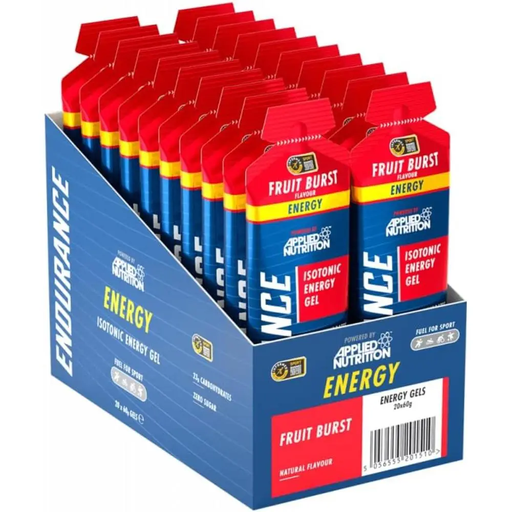
Why This Fits Their Persona: A straightforward option for runners, cyclists and active adults starting to plan fuelling for longer sessions in the UK.
It states the serving size clearly: 23.1g carbohydrate, 0g sugar and no caffeine, avoiding uncertainty about stimulant content.
Zero-sugar, caffeine-free formula; isotonic format designed for direct consumption.
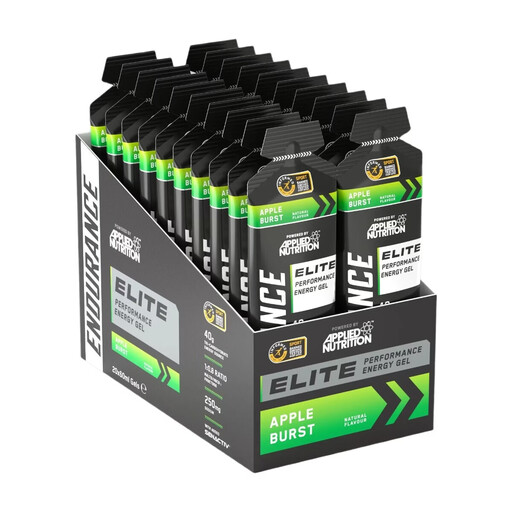
Why This Fits Their Persona: Suits endurance athletes preparing for long-distance running, cycling or triathlon sessions who want a higher carbohydrate serving.
The label gives a precise 40g carbohydrate figure and 250mg sodium per gel, rather than relying only on broad endurance wording.
Tri-carb blend; 250mg sodium per serving; Apple Burst flavour.
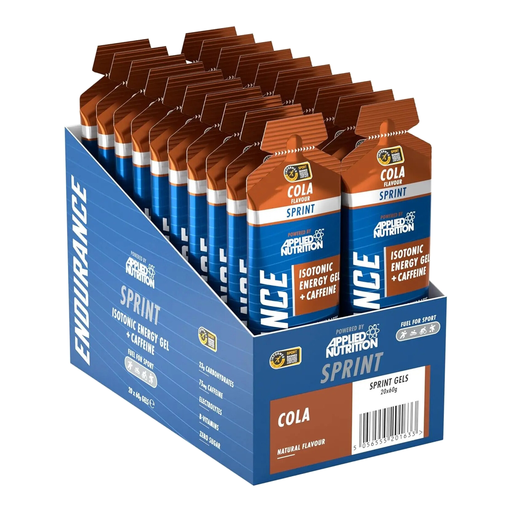
Why This Fits Their Persona: Designed for active adults who want carbohydrate, caffeine and electrolyte support in one portable sachet during intense training or endurance events.
The caffeine amount is stated as 75mg per gel, helping users avoid accidentally choosing a much stronger pre-workout product.
23.1g carbohydrate; 75mg caffeine; sodium, chloride, magnesium and B vitamins.
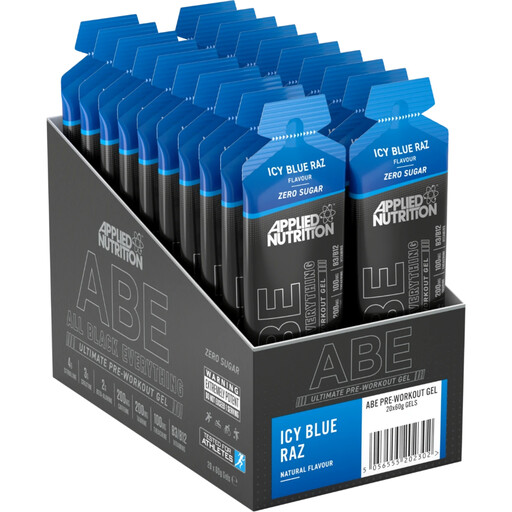
Why This Fits Their Persona: More appropriate for healthy adults who specifically want a pre-workout energy gel before gym sessions, intervals or high-intensity training.
It is clearly separated from carbohydrate gels: the serving contains 200mg caffeine and 0g carbohydrate, so it is not mistaken for race fuelling.
200mg caffeine; 4g citrulline malate; 3g creatine; zero sugar.
We have compiled a complete, real-time list of products that fully satisfy these strict selection criteria and UK safety regulations.
They can be, provided the product matches your needs and you follow the label. A caffeine-free, 23.1g carbohydrate gel is generally simpler to assess than a 200mg pre-workout gel. Start with a small amount during a training session and monitor your tolerance.
The Applied Nutrition isotonic endurance gels are labelled for direct consumption without additional water. However, they are not a substitute for drinking fluids during prolonged exercise. Maintain hydration according to your activity, conditions and personal requirements.
There is no single suitable amount for everyone. Use the product’s stated serving guidance, consider the carbohydrate supplied by drinks or food and avoid exceeding the listed maximum. For medical conditions, medication use, pregnancy or caffeine sensitivity, seek advice from a healthcare professional before using dietary supplements.