
24/7 全天候客户支持

免费退货

当日/次日达

品质保障

开启新人专享福利: 全场免邮 | 低至 2 折 | 免费试用 30 天 JoyPlus 会员
下载 Joybuy
Buying Applied Nutrition whey protein can look straightforward until you compare serving sizes, protein blends, flavours and nutritional tables. A low price may hide a smaller tub, while a long ingredient list does not automatically mean the product suits your routine.
For UK gym-goers, athletes and active adults, the practical question is not simply which powder looks appealing. It is whether the format, protein content, serving cost and ingredients match how you plan to use it.
A large container is not always the most economical option. Compare the number of servings and the grams of protein per serving, not just the total weight. A 2kg whey protein product may offer a lower cost per serving for regular users, while an 825g tub can be more suitable if you are trying a flavour for the first time.
Whey protein concentrate, whey protein isolate and hydrolysed whey protein have different levels of processing and nutritional profiles. A blend may provide a balance of these forms, but the proportion matters. Always check the ingredient list and nutrition panel rather than relying on phrases such as “advanced” or “professional”.
Milk-derived protein is present throughout this range, and several products also contain soya lecithin. Some flavour variants may have slightly different figures for carbohydrates, sugar, fat or salt. If you have an allergy or intolerance, read the label supplied with the product before purchase and use.
For a convenient post-workout protein option, check how much protein is provided in the stated serving. Several Applied Nutrition Critical Whey products provide approximately 22–24g per serving, while the Critical Professional Strawberry 2kg product lists 23.8g per 33g serving.
This figure helps you compare products more fairly. It also prevents the common mistake of choosing a powder with a high protein percentage per 100g but an unusually small serving size.
A mixed formula may suit shoppers who want concentrate and isolate in one powder. Those following a calorie-controlled routine may prefer to compare the precise calories, carbohydrate and fat figures.
A standard Critical Whey serving is generally around 90–122 calories, depending on the flavour and serving size. Clear Whey products list 90 calories, approximately 21.27g protein and 1.01g carbohydrate per 25g serving.
Preparation also affects the drinking experience. Traditional powders are usually mixed with around 200–500ml of water or milk, while Clear Whey is commonly mixed with cold water and shaken before settling. Follow the instructions on the specific product label, particularly where the recommended scoop size differs.
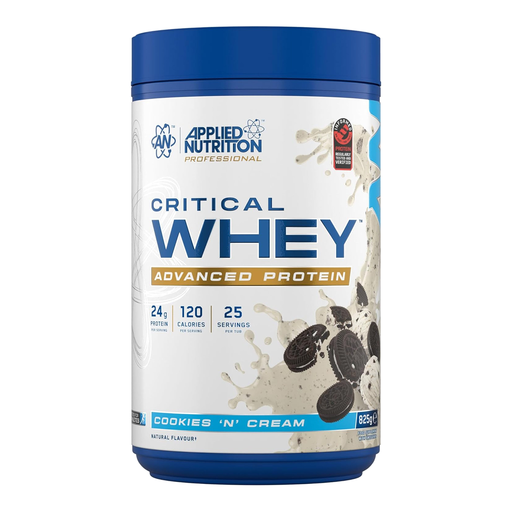
Why This Fits Their Persona: The 825g format is a manageable starting point for UK shoppers who want to establish a routine without committing to a large tub.
The listed nutrition is approximately 22–24g protein per serving, with flavour-specific values clearly requiring a label check.
Contains whey protein concentrate and isolate; suitable for shakes or between-meal use.
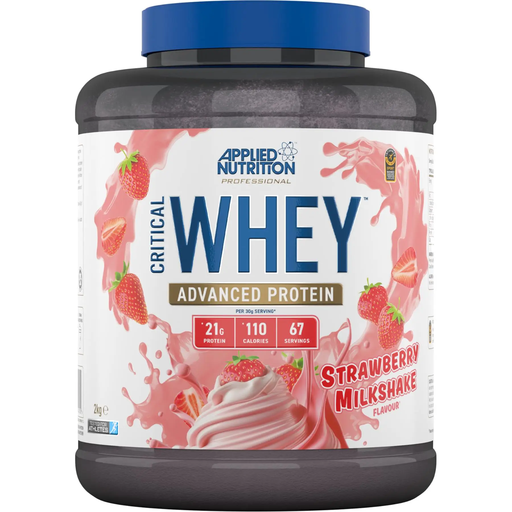
Why This Fits Their Persona: A regular lifter who uses post-workout protein several times each week may prefer the larger format and multi-source blend.
The product page specifies the blend rather than relying only on a general whey description: isolate, concentrate, hydrolysed whey and milk protein concentrate.
Lists 23.8g protein and 122 calories per 33g serving; strawberry milkshake-style format.
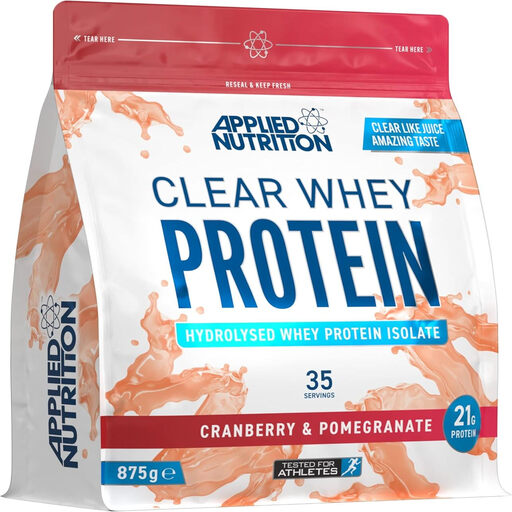
Why This Fits Their Persona: It suits active users who prefer a lighter fruit-drink format after training or during a calorie-controlled routine.
It is not presented as a creamy shake; the serving instructions specify 25g mixed with 300–400ml of cold water.
Lists 21.27g protein, 90 calories and 1.01g carbohydrate per serving; fruit-style taste.
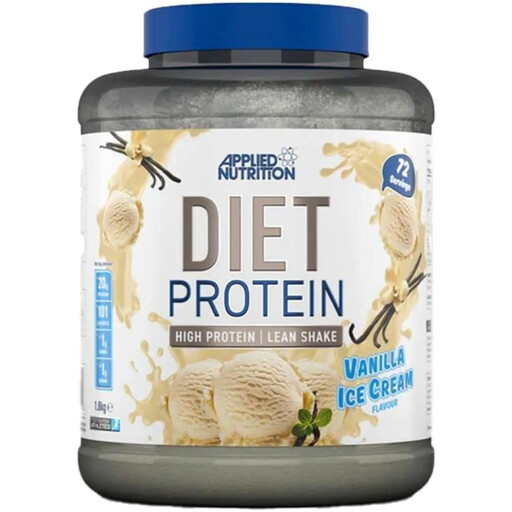
Why This Fits Their Persona: The 1.8kg tub is intended for consistent use, while its listed 100-calorie, 20g-protein serving can be compared with your daily targets.
The label provides figures for protein, calories, carbohydrate and added components, helping macro-focused shoppers assess the complete formula.
Provides 20g protein and 100 calories per 25g serving; vanilla cream flavour and large-format packaging.
We have compiled a complete, real-time list of products that fully satisfy these strict selection criteria and UK safety regulations.
Use whey powder to supplement dietary protein rather than replace a varied, balanced diet. Mix the stated serving with the recommended amount of cold water or milk, and use a shaker to improve consistency. Post-workout timing can be convenient, but total daily protein intake and regular meals remain more important than a narrow timing window.
Keep the tub tightly closed in a cool, dry place away from sunlight and humidity. Do not use a product if the packaging is damaged, and check the best-before date, batch details, ingredients and allergen statement before consumption.
It can be a convenient protein supplement for healthy adults who want to increase daily protein intake. Beginners should start by comparing serving size, flavour, allergens and calorie content rather than choosing solely on product claims.
The listed Clear Whey products provide 90 calories per 25g serving, while Critical Whey variants generally list around 108–122 calories depending on flavour and serving size. Always use the exact label for the variant you buy.
A 2kg tub provides more powder for frequent use and may reduce the need for repeat purchases. An 825g tub requires less upfront commitment and can be practical when testing a flavour. Compare servings and price per serving before deciding.
Safety note: These products contain milk-derived ingredients, and some contain soya. Food supplements should not replace a varied diet. If you are under 18, pregnant, breastfeeding, taking medication or managing a medical condition, consult a qualified healthcare professional before use.