
24/7 Customer Support

Free returns

Same-day & Next-day Delivery

Quality Guaranteed

Unlock Your Welcome Offers: FREE Delivery | Up to 80% OFF | Free 30-day JoyPlus trial
Download the APP
A new academic year can turn a simple shopping trip into a long list of notebooks, pens, folders, backpacks, snacks and study furniture. The challenge is not finding products; it is avoiding items that look useful online but become inconvenient after a few weeks.
Parents, students, teachers and home-office users should assess capacity, materials, dimensions and daily usability before buying. The right school stationery or study accessory should fit its intended routine, not merely match a promotional image.
Multi-packs can offer good value, but only when the specification suits the task. A pack of notebooks may be inexpensive per unit yet unsuitable if the pages are too thin, the format is awkward or the binding does not open comfortably. Similarly, a large pen pack is less useful if the ink colour or point size does not meet school or university requirements.
Check the page count, paper weight, ruling, pack quantity and refill availability. For younger pupils, also review age warnings, particularly where products include small parts.
A school backpack may be described as water-resistant or waterproof, but these terms do not always indicate the same level of protection. Look for the material, closure style, seams and pocket layout. A covered zip or flap can help protect contents during a typical UK shower, but it may not replace a dedicated rain cover.
Consider what the bag must carry: books, a packed lunch, a tablet, PE kit or a laptop. A compact fashion backpack may suit light daily loads, while a larger padded laptop backpack is more appropriate for commuting or university.
An electric standing desk can provide flexible sitting and standing positions, but the desktop dimensions and height range matter more than the marketing language. Measure the available space, including clearance for cables, chair movement and nearby furniture.
Also check the maximum load capacity, control options, assembly requirements and warranty details. A desk supporting monitors, books and a laptop should remain stable when loaded, while a quiet adjustment mechanism is preferable in a shared bedroom or home office.
For school stationery and university essentials, A5 notebooks are portable and suitable for lectures, revision and daily planning. A pack containing 120 lined pages per notebook gives a clear indication of capacity, while 80gsm paper is a practical everyday specification for pens and pencils.
Wirebound notebooks that open through 360 degrees can be easier to use on desks with a small footprint. Perforated pages and punched holes are also useful for students who need to remove work or file notes. Buyers should distinguish between a lined notebook for written work and a sketchbook, which may use heavier paper and a different surface.
When choosing pens or mechanical pencils, look at the point size and grip design. A 1.0mm ballpoint creates a medium line suited to general writing. A 0.5mm mechanical pencil is more suitable for controlled writing, diagrams and drafting, provided the user carries spare leads and avoids applying excessive pressure.
Document wallets and punched pockets help prevent coursework, letters and revision sheets from becoming creased or stained. Check the sleeve thickness and hole configuration before buying. For example, A4 punched pockets with 11 pre-punched holes can fit standard two-, three- and four-ring binders, as well as multi-ring files.
A top-opening design makes papers easier to insert, while a reinforced spine is useful for frequent handling. Clear embossed polypropylene can keep documents visible while helping reduce glare and ink transfer. Always store plastic sleeves away from excessive heat and open flames.
A school backpack should match the user’s size and daily load. Check the listed height, width and depth rather than relying on photographs. Adjustable shoulder straps are important, while padded straps or a padded back panel can make a noticeable difference during longer journeys.
For laptops, confirm the compartment dimensions against the device, rather than assuming a stated screen size guarantees compatibility. A 15.6-inch laptop backpack may offer more room, but a smaller A4-sized daypack can be easier to carry for pupils with lighter loads.
A 120 x 60cm desktop provides space for a laptop, monitor, keyboard, books and study materials without taking up the footprint of a large office workstation. A height range of 72–118cm accommodates seated and raised working positions, while two memory presets allow users to save preferred settings.
A stated 70kg load capacity is useful when comparing desks, although the total weight should include the desktop equipment and any accessories. Electric desks require customer assembly, secure connections and a level floor. Follow the supplied instructions and keep electrical components dry.
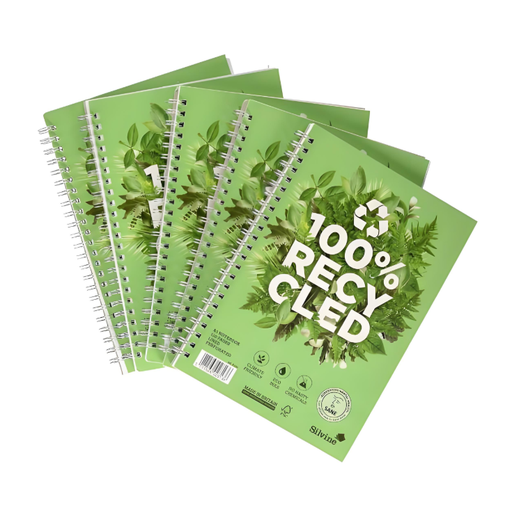
Why This Fits Their Persona: A five-pack gives pupils, students or home-office users several notebooks for separate subjects, projects or planning.
Each notebook has 120 lined pages, 80gsm recycled paper, perforated sheets and four punched holes for filing.
A5 format; 360-degree wirebound opening; manufactured in the UK using recycled paper.
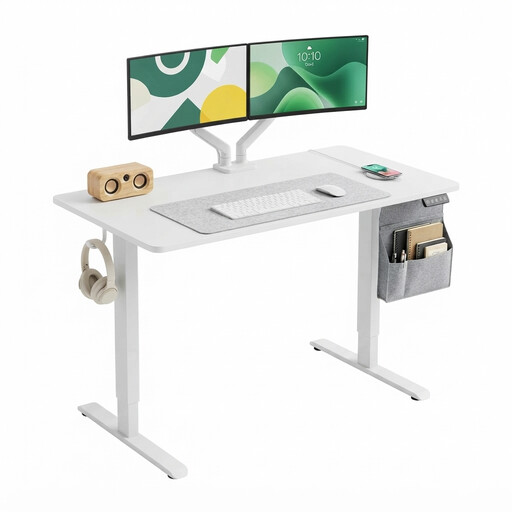
Why This Fits Their Persona: Suitable for a home office, study or gaming setup where one desk must support changing work positions.
The listed 72–118cm adjustment range, digital display and two memory presets make the specification easy to assess before purchase.
120 x 60cm desktop; 70kg stated load capacity; CE and British Standard certification information; three-year motor, frame and desktop warranty.
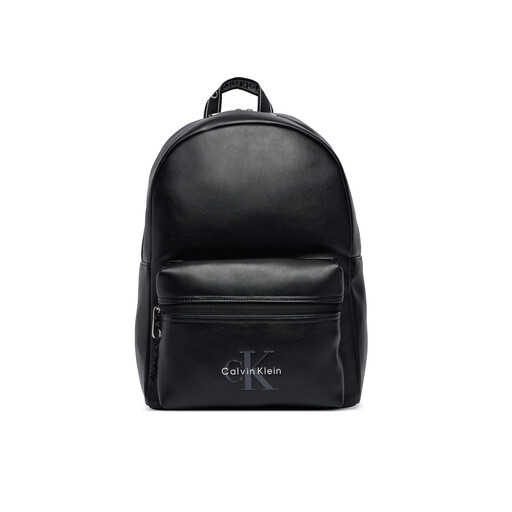
Why This Fits Their Persona: Its structured layout suits university students, commuters and users carrying a laptop, stationery and personal items each day.
The full-zip compartment and segmented pockets provide more defined organisation than a single open space.
420gsm recycled polyester; padded mesh back panel; adjustable straps; listed dimensions of 42 x 30 x 22cm.
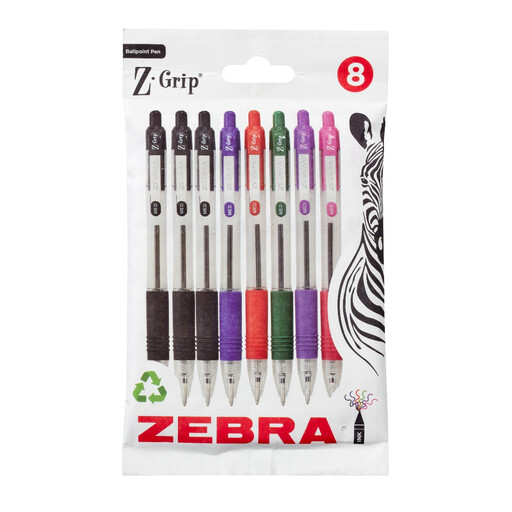
Why This Fits Their Persona: A mixed-colour pack supports everyday notes, colour-coding, marking and home-office paperwork.
The listed 1.0mm medium point and retractable mechanism make the writing format and storage method clear.
Eight pens; latex-free rubberised grip; stainless steel clip; black, blue, red, green, purple and pink ink colours.
We have compiled a complete, real-time list of products that fully satisfy these strict selection criteria and UK safety regulations.
For document organisation, the Triplast A4 punched pockets pack includes 25 clear polypropylene sleeves with a reinforced spine and top opening. For creative work, the RHS Rose A5 hardbound sketchbook uses 110gsm paper. A Pentel Fiesta 0.5mm mechanical pencil pack includes refill leads, while retractable felt-tip pens can be useful for colour-coded revision.
School snacks should be checked separately from stationery. The Back to School Snack Pack includes products with different ingredients and allergens, including soya, wheat, milk and sesame in certain items. Read the current packaging before serving, especially where a child has an allergy or dietary restriction. Drinks and opened food should also be stored according to the label.
Start with items required for daily lessons: notebooks, pens, pencils, folders and a suitable backpack. Then check the school or university reading list before buying specialist supplies. This avoids paying for products that are not permitted or needed.
Lifespan depends on handling and storage. Wirebound notebooks can remain useful until their pages are filled, while pens and mechanical pencil leads need replacing according to usage. Keep stationery dry, retract pen tips when not in use and avoid placing heavy objects on spiral notebooks.
Running cost depends on the motor’s power consumption, how often the height is adjusted and the electricity tariff. The desk only draws power when adjusting, but it should still be assembled correctly, placed on a level surface and disconnected according to the manufacturer’s instructions when appropriate.