
24/7 Customer Support

Free returns

Same-day & Next-day Delivery

Quality Guaranteed

Unlock Your Welcome Offers: FREE Delivery | Up to 80% OFF | Free 30-day JoyPlus trial
Download the APP
As a Joybuy Product Recommendation Officer, my role is to help you navigate the crowded shelves of baking ingredients. Choosing the right baking flour is the foundation of any successful bake, but it's easy to get tripped up by confusing labels and marketing claims. A Victoria sponge that fails to rise or a loaf of bread as dense as a brick can often be traced back to a simple mistake made at the point of purchase. This guide will help you understand the critical differences and select the right flour for your pantry.
Before you add a bag of flour to your basket, be aware of these common traps that can lead to wasted money and disappointing results in the kitchen.
To ensure your baking is a success, focus on these non-negotiable specifications.
Protein is the defining characteristic of any wheat flour. It dictates the amount of gluten that can be developed, which in turn determines the structure and texture of your bake.
The part of the grain used and how it's milled significantly affects flavour, nutrition and baking performance.
Always check the ingredients list for additives that define the flour's purpose.
Based on these practical criteria, here are some recommendations matched to different types of home bakers.

Why This Fits Their Persona: For bakers dedicated to achieving a perfect crusty loaf, sourdough or chewy pizza base, a high-protein flour is non-negotiable. This flour is milled specifically for that purpose, providing the robust gluten structure needed for a fantastic rise and open crumb.
It directly counters the "one-size-fits-all" myth. This is a specialist bread making flour, not a general-purpose one, ensuring you have the right tool for yeast-leavened recipes.
Features a very high protein content (14g per 100g) for superior dough elasticity and a reliable, impressive rise.
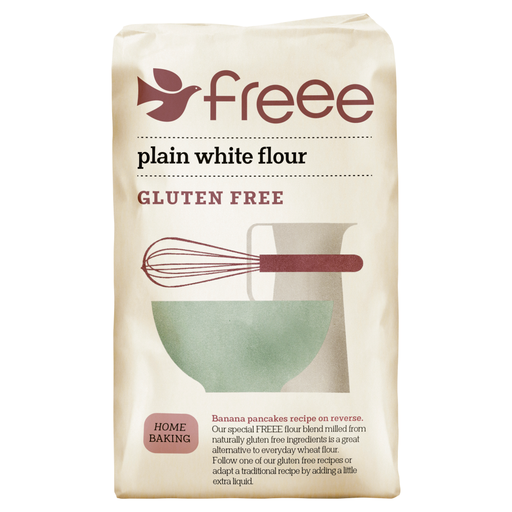
Why This Fits Their Persona: For those with coeliac disease or a gluten intolerance, baking can be challenging. This flour blend is specifically formulated to act as a direct replacement for standard wheat flour, removing the guesswork and potential for cross-contamination.
It addresses the "speciality needs" pitfall head-on. This is a purpose-built gluten free flour blend, not a single-ingredient flour that would fail to provide structure in cakes or pastries.
A versatile blend of rice, potato, tapioca, maize and buckwheat. It is certified by Coeliac UK, providing peace of mind for allergen-safe baking.
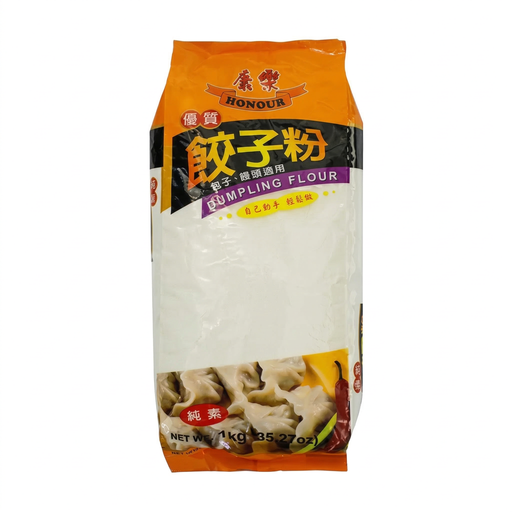
Why This Fits Their Persona: For those exploring international cuisine, getting the texture right is everything. This dumpling flour is milled specifically for creating the pliable, chewy and tear-resistant wrappers needed for authentic Chinese dumplings, wontons and noodles.
This avoids the disappointment of using standard plain flour for a specialised task. Its moderate gluten content (11g per 100g) is engineered for the perfect balance of softness and strength.
Produces a pleasantly chewy and durable dumpling skin that holds up to boiling or steaming. It is also versatile enough for other Chinese pastries.
We have compiled a complete, real-time list of products that fully satisfy these strict selection criteria and UK safety regulations.
Yes, you can make your own self-raising flour substitute. The generally accepted ratio is to add 2 teaspoons of baking powder for every 150g of plain flour. Sift them together thoroughly to ensure the raising agent is evenly distributed, preventing a lopsided bake.
All flour should be stored in a cool, dark and dry place. Once opened, it is advisable to transfer the flour to an airtight container to protect it from moisture, odours and pantry pests. This is particularly important for wholemeal flour and other whole-grain flours like organic spelt flour, as the natural oils in the grain can cause them to go rancid more quickly than white flour.
The primary difference is the protein content. Strong bread flour typically contains around 12-13g of protein per 100g. A flour labelled 'very strong' usually has an even higher protein level, often 14g or more. This extra protein allows for the development of an even stronger gluten network, resulting in a more dramatic rise and a chewier texture, which is highly sought after for artisan-style breads and certain types of rolls.