
24/7 全天候客户支持

免费退货

当日/次日达

品质保障

开启新人专享福利: 全场免邮 | 低至 2 折 | 免费试用 30 天 JoyPlus 会员
下载 Joybuy
Whether you're planning an off-grid adventure in your campervan, need a reliable camping power supply for a weekend away, or want a solid home backup power solution for unexpected outages, finding the right power inverter is crucial. Converting your vehicle's 12V DC battery power into usable 220V AC electricity allows you to run everyday appliances anywhere.
However, the market is filled with technical specifications that can be confusing. This guide is designed to help you understand the key features of a 2000W pure sine wave inverter and make an informed choice, ensuring you get clean, stable power for all your devices.
Before diving into specific models, let's cover a few essential points. Understanding these will help you select a DC to AC inverter that truly meets your needs.
You will see two main types of inverters: modified sine wave and pure sine wave. While modified sine wave inverters are often cheaper, they can cause issues with sensitive electronics. Laptops, televisions, modern power tool chargers and medical equipment may run hot, make buzzing noises or fail to work at all. A pure sine wave inverter produces clean electricity that is identical to what you get from a wall socket at home, ensuring your devices run safely and efficiently.
An inverter's power is described in two ways: rated (or continuous) power and peak (or surge) power.
A quality power inverter for car or RV use must have built-in safety features. Look for an inverter with overload protection, which automatically shuts the unit down if you connect appliances that draw too much power. Other critical protections include safeguards against short circuits, over-temperature and low or over-voltage, which protect both the inverter and your vehicle's battery.
Here are our recommendations for reliable pure sine wave inverters. We've focused on models that offer a strong combination of performance, safety and practical features for UK users.
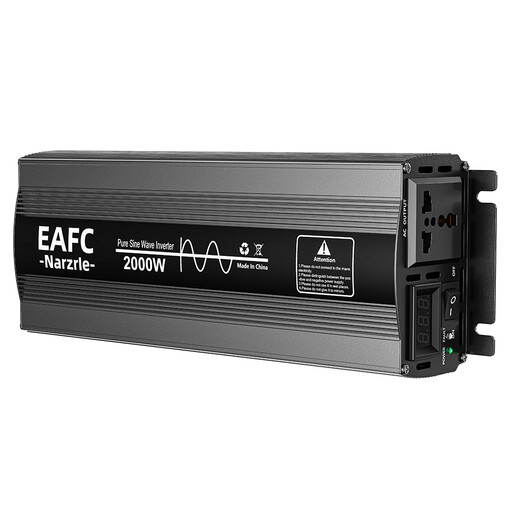
Why It Stands Out: This model is an excellent entry point into the world of pure sine wave power. With 1000W of rated power and a 2000W peak, it's a versatile 12v to 220v converter for lighter-duty applications. Its high conversion efficiency of over 90% means less energy is wasted, helping to preserve your battery life during extended use. The clear digital display provides real-time voltage information at a glance.
Pros:
Who is it for? This is a great choice for weekend campers, car travellers and anyone needing to power devices like laptops, drones, cameras and small fans. Its 1000W continuous output is sufficient for many common tasks without the bulk of a larger unit.
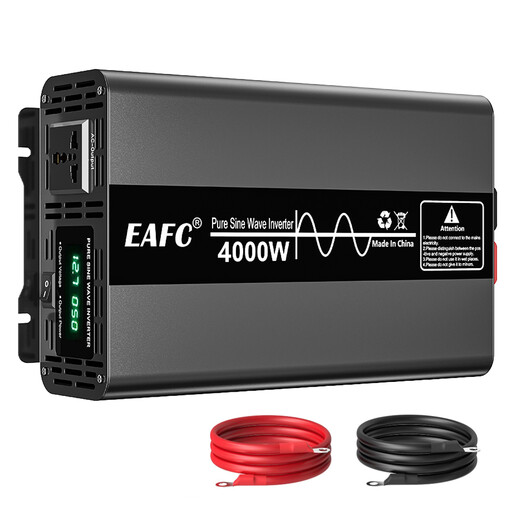
Why It Stands Out: This inverter steps up the power with a 2000W rated output and a substantial 4000W peak, making it a true workhorse. Its key feature is the use of Amorphous Silicon Technology, which contributes to a higher conversion efficiency (over 95%) and more stable power delivery. The dual cooling fans and wide operating temperature range (-30°C to 60°C) make it a dependable choice for demanding conditions.
Pros:
Who is it for? The ideal RV power inverter or for tradespeople. It has enough continuous power to run coffee makers, small microwaves and power tools, making it perfect for a work van, a well-equipped camper, or as part of an off grid inverter system.
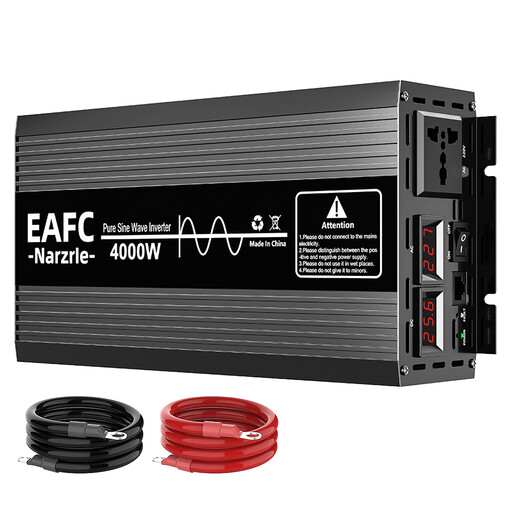
Why It Stands Out: This model offers the same powerful 2000W rated / 4000W peak performance but adds a user-friendly feature: dual digital displays. This allows you to monitor both the battery's input voltage and the inverter's AC output voltage simultaneously. This real-time feedback is invaluable for managing your power system and diagnosing any potential issues quickly. It also operates at a quiet 45dB, which is a significant benefit for use inside an RV or camper.
Pros:
Who is it for? This is an excellent all-rounder for those who want robust power and complete visibility over their system. It's a top-tier RV power inverter and a practical choice for home backup power, where monitoring system status is key.
While these models cover a wide range of uses, your specific power needs might be different. If you're looking for a different wattage or features, there are many other solutions available. Explore our full range of power solutions and cool accessories to find the perfect match for your setup.
1. What can you run on a 2000W pure sine wave inverter? This depends on whether the 2000W figure is its peak or rated power. An inverter with 1000W rated power (like our first recommendation) can comfortably run laptops, TVs, game consoles, lights and small kitchen gadgets. An inverter with 2000W rated power (like our other two recommendations) can handle all of that plus more demanding items like coffee makers, blenders, small microwaves and most power tools. Always check the wattage of your appliance before connecting it.
2. Do I need a pure sine wave inverter for my car? For simply charging a phone, a basic inverter might work. However, for powering anything with sensitive electronics—laptops, camera battery chargers, drones or audio equipment—a pure sine wave power inverter for car use is highly recommended. It prevents potential damage and ensures your devices function correctly, making it a worthwhile investment for protecting your valuable gear.
3. How do I connect a high-power inverter to my vehicle? For any inverter rated above 150W, you must connect it directly to the battery terminals using the heavy-duty cables provided. The cigarette lighter socket in your car cannot handle the high current draw and is a fire hazard. Ensure the red (positive) and black (negative) cables are securely tightened to the correct terminals. For high-power use, it's also advisable to have the vehicle's engine running to prevent draining the battery.