
24/7 Customer Support

Free returns

Same-day & Next-day Delivery

Quality Guaranteed

Unlock Your Welcome Offers: FREE Delivery | Up to 80% OFF | Free 30-day JoyPlus trial
Download the APP
Choosing the right adults bike helmet can feel like a complex task. Whether you're navigating busy city streets on your daily commute, tackling scenic road routes or exploring rugged off-road trails, your helmet is a crucial piece of kit. The goal is to find one that offers reliable protection, fits comfortably and suits your specific type of cycling.
This guide is designed to cut through the clutter. We'll walk you through the key features to consider when buying a new helmet and present a few of our top recommendations to help you make an informed decision.
Before diving into specific models, it's helpful to understand the core elements that make a good helmet. Focusing on these three areas will ensure you find a helmet that serves you well on every ride.
In the UK and Europe, all bike helmets must meet the EN 1078 safety standard. This certification ensures the helmet has passed tests for construction, shock absorption and retention systems. You may also see American standards like CPSC and ASTM, which indicate a similar level of rigorous testing.
Beyond standard certification, you will often encounter MIPS (Multi-directional Impact Protection System). A MIPS bike helmet includes a low-friction layer inside the helmet. This layer is designed to allow a slight sliding movement (10-15mm) in any direction during certain angled impacts, which is intended to help reduce rotational forces on the head.
A helmet can only provide its intended level of protection if it fits correctly. An ill-fitting helmet can be uncomfortable and less effective. Look for an adjustable bike helmet for adults, which typically features a dial system at the back. This allows you to fine-tune the fit for a snug, secure feel without being too tight. Adjustable chin straps are also essential for keeping the helmet stable. A proper fit means the helmet sits level on your head, with the front edge about two fingers' width above your eyebrows.
Different types of cycling call for different features.
Here are a few standout options that cater to different needs and cycling disciplines.
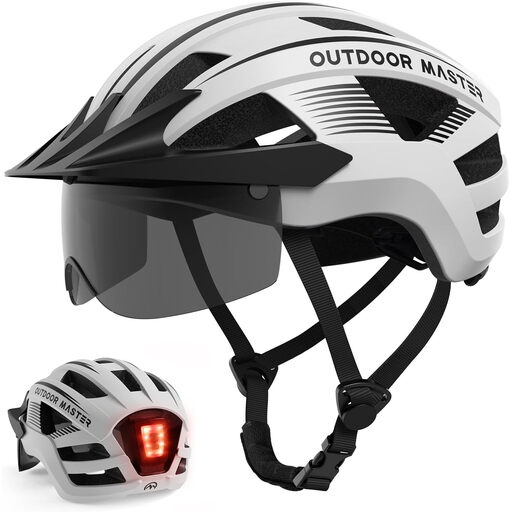
Why It Stands Out: This helmet is a versatile all-rounder, packed with practical features. The integrated, rechargeable rear LED light is a major benefit for commuters and anyone riding in the evening. It also comes with both a removable sun visor and magnetic goggles, offering excellent adaptability for changing weather conditions.
Pros:
Who is it for?
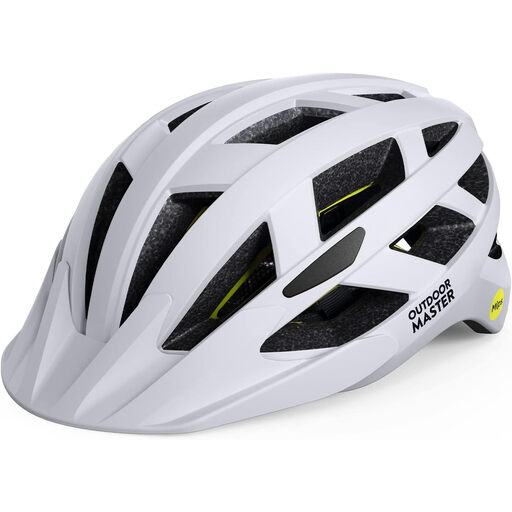
Why It Stands Out: The main feature of the Gem I is the inclusion of the MIPS safety system, which is designed to add protection against rotational forces. With 25 vents, it offers excellent airflow, and the double adjustment system, including two different liner thicknesses, allows for a highly customised fit.
Pros:
Who is it for?
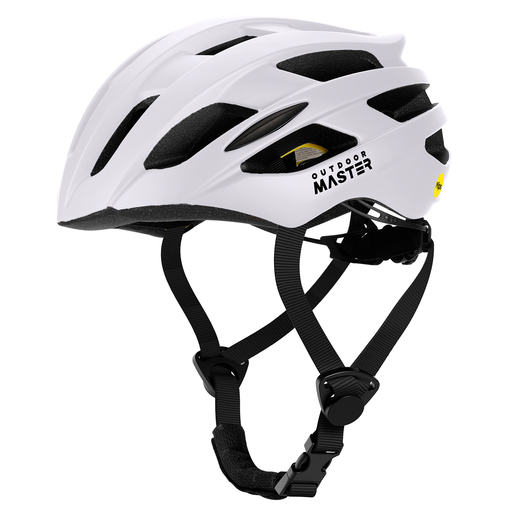
Why It Stands Out: This helmet is built specifically for the demands of road cycling. It combines the MIPS system with a lightweight, aerodynamic design. The airflow channels are optimised to keep you cool and comfortable during long, high-effort rides, reducing heat buildup and fatigue.
Pros:
Who is it for?
If the helmets featured here aren't quite the right fit for your needs, there are many other styles and models to consider. From urban designs to professional-grade mountain bike helmets, the perfect choice is out there.
Explore our complete collection to find a helmet that matches your style and cycling discipline.
[Browse our full range of Adult cycling gear](https://www.joybuy.co.uk/explore/adult-cycling-gear/HMPqaIP0)
Most manufacturers recommend replacing your helmet after any significant impact, even if there is no visible damage, as the protective foam structure can be compromised. Additionally, it's generally advised to replace a helmet every 3-5 years, as materials can degrade over time due to exposure to sunlight and general wear.
MIPS stands for Multi-directional Impact Protection System. It is a technology used in helmets that consists of a low-friction layer inside the helmet shell. This layer is designed to allow a small amount of movement between your head and the helmet during an angled impact, which is intended to help reduce the rotational forces that can be transferred to the brain.
A well-fitting helmet should be snug but not uncomfortably tight. Follow these simple steps to check the fit: