
24/7 Customer Support

Free returns

Same-day & Next-day Delivery

Quality Guaranteed

Unlock Your Welcome Offers: FREE Delivery | Up to 80% OFF | Free 30-day JoyPlus trial
Download the APP
Exploring the world's cuisines from your own kitchen is one of the great joys of home cooking. A fragrant Thai curry, a deeply savoury Japanese miso soup or a fiery Sichuan stir-fry can transport you instantly. The key to unlocking these authentic flavours often lies in a single jar: the right cooking sauce or paste.
However, the supermarket aisle can be a confusing place. With labels promising "authentic taste" and "gourmet quality," it is easy to end up with a product that delivers a flat, one-dimensional flavour, turning your culinary adventure into a disappointment. Before you spend another pound, let's look at the common pitfalls that prevent you from getting that restaurant-quality taste at home.
To choose with confidence, focus on what is inside the jar. Analysing a few key details on the label can tell you everything you need to know about the quality and authenticity of the product.
This is the single most important factor for finding authentic recipe ingredients. Don't just scan the front label; turn the jar around and read the list.
The deep, complex umami flavour in many Asian cooking pastes comes from natural fermentation, a process that cannot be convincingly replicated with chemical additives.
Salt is a crucial preservative and flavour component in pastes, but excessive amounts can overwhelm the delicate notes of the primary ingredients.
Instead of a generic list, we have matched some standout options to the specific needs of different UK home cooks.
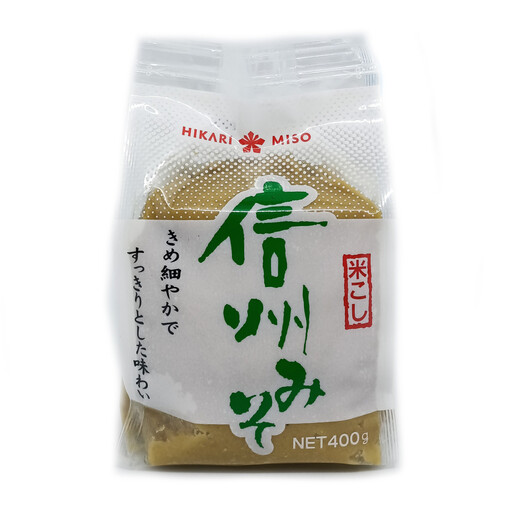
Why This Fits Their Persona: For those new to Japanese cooking, this white miso is an ideal starting point. Its mild, slightly sweet flavour is incredibly versatile and not overpowering, making it perfect for a first attempt at miso soup, a gentle glaze for fish or a creamy salad dressing.
It avoids the "all-in-one" trap by being a foundational ingredient, not a finished sauce. This encourages learning and adaptation, providing authentic flavour that can be built upon in multiple dishes.
Made in Japan with a simple ingredient list (soybeans, rice, salt). Its smooth texture dissolves easily, making it very user-friendly for beginners.
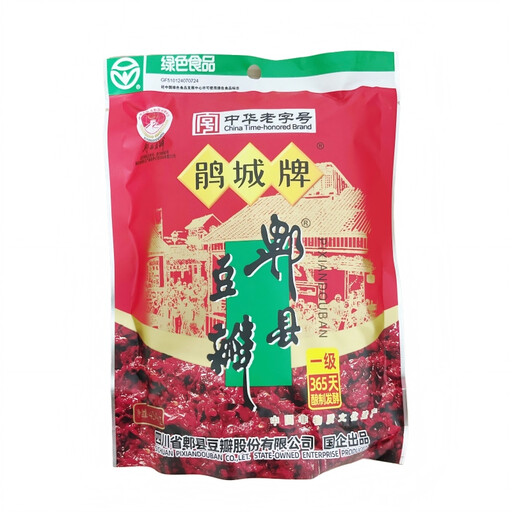
Why This Fits Their Persona: For the cook determined to make a truly authentic Mapo Tofu or Twice-Cooked Pork, this is the non-negotiable ingredient. Hailing from Pixian in Sichuan, it is considered the soul of Sichuan cuisine, providing a deep, savoury and complex spiciness.
It directly counters the "authentic flavour" illusion. This is not a generic chilli sauce; it is a specific, heritage product made with fermented broad beans, the key to its unique umami depth.
Recognised as a National Intangible Cultural Heritage product in China. Its rich, oily texture and bright red-brown colour are hallmarks of its quality.
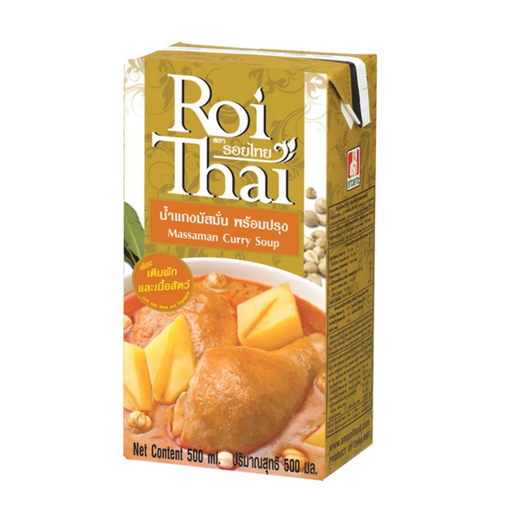
Why This Fits Their Persona: For those short on time but unwilling to compromise on flavour, this ready-to-simmer sauce is a lifesaver. It provides a complete, well-balanced base for a rich and aromatic Massaman curry, turning a handful of ingredients into a satisfying meal in under 30 minutes.
By focusing on one specific dish, it delivers a targeted and authentic flavour profile. It is not a generic "Thai curry sauce" but a purpose-built Massaman base, ensuring the correct balance of spices, coconut milk and tamarind.
Made in Thailand with a coconut milk base and a complete Massaman curry paste already blended in. This offers maximum convenience without sacrificing the core flavour components.
We have compiled a complete, real-time list of products that fully satisfy these strict selection criteria and UK safety regulations.
This depends heavily on the type of paste. As a general rule:
The primary differences are the ingredients and the length of fermentation. White miso (shiro miso) is typically made with a higher percentage of rice, fermented for a shorter period. This results in a lighter colour and a milder, sweeter flavour, making it excellent for light soups, dressings and marinades. Red miso (aka miso) is fermented for much longer, often with a higher proportion of soybeans. This gives it a darker colour and a much deeper, saltier and more robust umami flavour, which stands up well in hearty stews, rich glazes and bold marinades.
For many pastes, especially those from Southeast Asia like Thai curry paste or shrimp paste, cooking them first is highly recommended. Gently frying the paste in a little oil for a minute or two before adding your other ingredients is a technique called "blooming." This process releases the aromatic oils from the spices, cooks off any raw taste and deepens the overall flavour of your final dish.