
24/7 全天候客户支持

免费退货

当日/次日达

品质保障

开启新人专享福利: 全场免邮 | 低至 2 折 | 免费试用 30 天 JoyPlus 会员
下载 Joybuy
Making the switch from a manual to an electric toothbrush can feel like a significant step up for your oral hygiene routine. However, the market is filled with a dizzying array of models, features and terminology. From sonic vibrations to smart screens, it can be difficult to determine which features are genuinely useful and which are just marketing noise.
As the Joybuy Product Recommendation Officer, my role is to help you navigate these choices. This guide is designed to provide clear, practical information, cutting through the hype to help you find an electric toothbrush that suits your needs and budget. We will explore the key features to look for and highlight a few standout models available in the UK.
Before diving into specific products, let's cover a few key considerations that will help you make an informed decision. Understanding these factors will ensure you select a model that aligns with your personal oral care goals.
The two dominant technologies in the electric toothbrush market are sonic and oscillating-rotating.
Both technologies are effective at plaque removal, so the choice often comes down to personal preference regarding the brushing sensation.
Beyond the core technology, certain features have become standard for good reason. They guide better brushing habits and protect your oral health.
For those seeking more from their device, consider travel-friendliness and smart capabilities.
Based on a combination of innovative features, user-centric design and practical functionality, here are our recommendations for 2026.
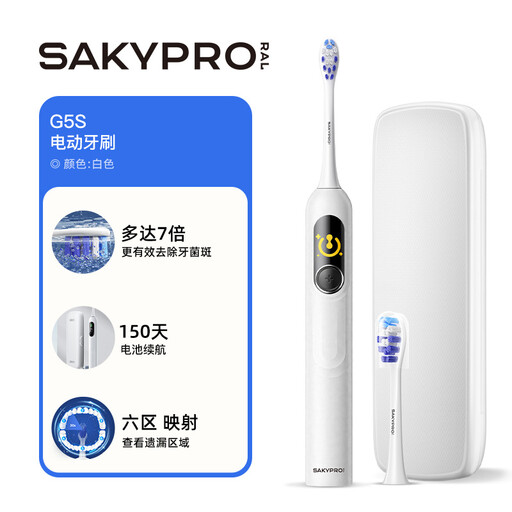
Why It Stands Out: The SAKYPRORAL G5S stands apart with its integrated AI Smart Colour Screen. This display provides a real-time brushing map, highlighting which of the six zones in your mouth you have cleaned and which you have missed. This offers the benefits of a smart toothbrush without requiring a connection to a mobile app. Its battery life is also a major highlight.
Pros:
Who is it for?: This is an excellent choice for the tech-savvy user who wants detailed, data-driven feedback to perfect their brushing technique. It is also ideal for anyone who values maximum convenience and an exceptionally long battery life.
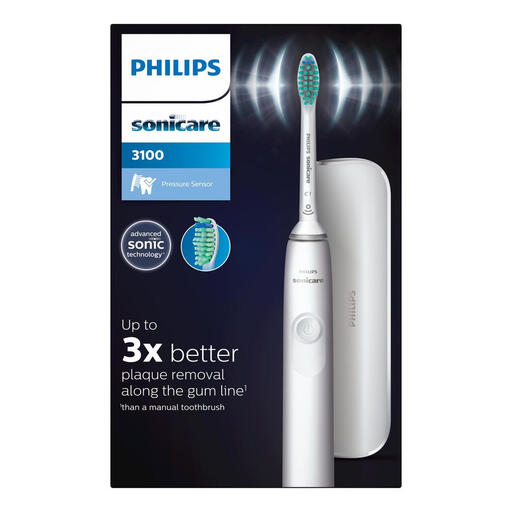
Why It Stands Out: The Sonicare 3100 is a strong contender from a well-established brand, focusing on the essential features that deliver a superior clean. It uses the brand's signature sonic technology and incorporates key guidance tools like a pressure sensor and timer, making it a reliable upgrade from a manual brush.
Pros:
Who is it for?: Perfect for those new to electric toothbrushes or anyone seeking a dependable, no-fuss model from a recognised name. It delivers core performance and guidance features without an overwhelming number of settings.
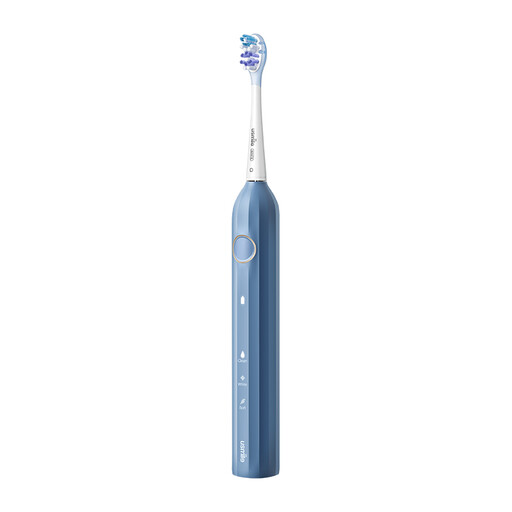
Why It Stands Out: The usmile Y1S is a champion of endurance. With a battery that can last up to six months on a single charge, it is the definition of a long battery life electric toothbrush. Its minimalist, Roman-column-inspired design is both stylish and functional, and its IPX7 waterproof rating means it can be safely used in the shower.
Pros:
Who is it for?: The ideal user is the frequent traveller, the minimalist who appreciates sleek design, or anyone who simply wants to forget about charging their toothbrush for months at a time.
While these three models offer a fantastic blend of features and performance, we understand that everyone's preferences are unique. If you are particularly focused on finding a device that helps you brush for the correct duration, a built-in timer is a non-negotiable feature.
To see a wider variety of models that excel in this area, explore our full collection of electric toothbrushes with a timer to find the perfect match for your routine.
1. How often should I replace my electric toothbrush head? It is generally recommended to replace your brush head every three months, or sooner if the bristles become visibly frayed or splayed. Worn bristles are less effective at cleaning and can harbour bacteria. Many brush heads have indicator bristles that fade over time to remind you when it's time for a replacement.
2. Is a sonic toothbrush better than an oscillating one? Neither technology is definitively "better"; they are just different. Both are proven to be significantly more effective at removing plaque than a manual toothbrush. The choice largely comes down to personal preference. Some people prefer the sweeping, vibrating sensation of a sonic toothbrush, while others prefer the scrubbing feeling of an oscillating-rotating head.
3. Can I use an electric toothbrush if I have sensitive gums? Yes, many people with sensitive gums find electric toothbrushes beneficial. Look for models that feature a "Sensitive" or "Gum Care" mode, which operates at a lower intensity. Furthermore, a built-in pressure sensor is a critical feature, as it will alert you if you are brushing too hard, which is a common cause of gum irritation. If you have persistent sensitivity or gum issues, it is always wise to consult your dentist.