
24/7 Customer Support

Free returns

Same-day & Next-day Delivery

Quality Guaranteed

Unlock Your Welcome Offers: FREE Delivery | Up to 80% OFF | Free 30-day JoyPlus trial
Download the APP
Writing by hand, whether for work, study or personal journaling, should be a comfortable experience. Yet for many, it leads to hand fatigue, cramps or even aggravates conditions like arthritis. The market is flooded with pens claiming to be "ergonomic," but this label can often be misleading. Choosing the wrong pen not only fails to provide relief but can be a frustrating waste of money.
As a Joybuy Product Recommendation Officer, my role is to help you navigate these choices by highlighting what truly matters. Before you buy another pen, be aware of these common pitfalls:
To find a genuinely comfortable writing pen, you need to look past the marketing hype and focus on a few key design features. These are the non-negotiable parameters to check before making a purchase.
The single most important factor in a pen to reduce hand fatigue is the diameter of its barrel. A pen with a wider, chunkier body allows for a more relaxed grip. You don't have to clench your fingers as tightly, which significantly reduces pressure on your joints and muscles.
This is particularly crucial for those looking for chunky pens for arthritis or easy grip pens for elderly users. A wide barrel pen increases the surface area in contact with your hand, distributing the pressure more evenly and making writing a less painful task. Look for pens with a barrel diameter noticeably larger than the standard slim models.
While a soft grip isn't the only solution, the design of the grip area is vital. A good ergonomic pen should have a dedicated grip zone that is non-slip and provides stability. This could be a textured rubber material, a contoured shape or even a triangular barrel that naturally guides your fingers into a less strenuous position. The goal is to maintain control without having to squeeze the pen tightly.
The effort required to write is not just about how you hold the pen; it's also about the friction between the pen tip and the paper. Modern ink technologies can make a huge difference.
Based on these practical criteria, we've matched a few standout options to different user needs.
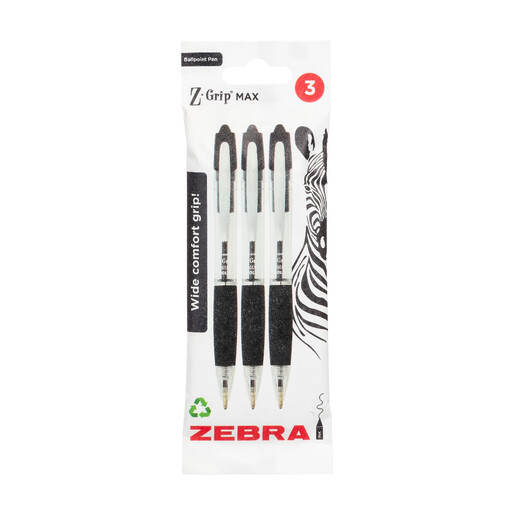
Why This Fits Their Persona: This pen is specifically engineered for those who need maximum support. Its significantly wider, "chunky" barrel is designed to be held with a relaxed, open hand, making it a practical choice for anyone in the UK dealing with arthritis, carpal tunnel or general hand weakness.
It directly counters the "ergonomic illusion" by focusing on a genuinely wide-profile barrel, not just a thin rubber sleeve on a standard pen. The comfort comes from its substantial size.
The 1.2mm bold point delivers a smooth, dark line with minimal pressure, further reducing strain. The ink is also formulated to be smear-resistant.
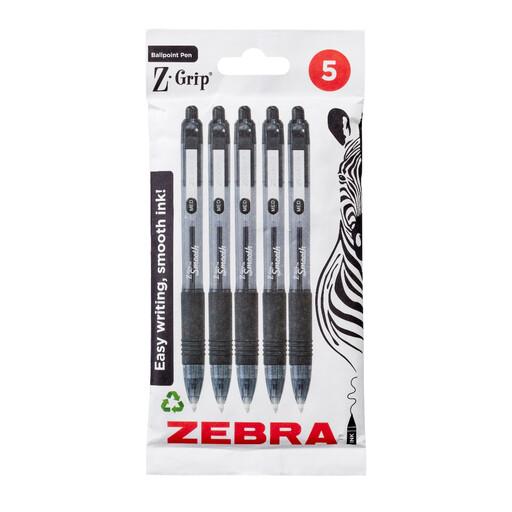
Why This Fits Their Persona: For those writing for hours in lectures or meetings, this pen offers a balance of comfort and performance. It's a reliable workhorse for anyone who needs to write quickly and legibly without their hand cramping up after the first page.
It avoids the smooth-but-smudgy ink trap. The advanced low-viscosity ink provides an effortless glide similar to a gel pen but retains the reliability and faster drying time of a ballpoint.
The combination of a textured rubberised grip and ultra-smooth ink significantly reduces the physical effort of writing, making it ideal for high-volume tasks.
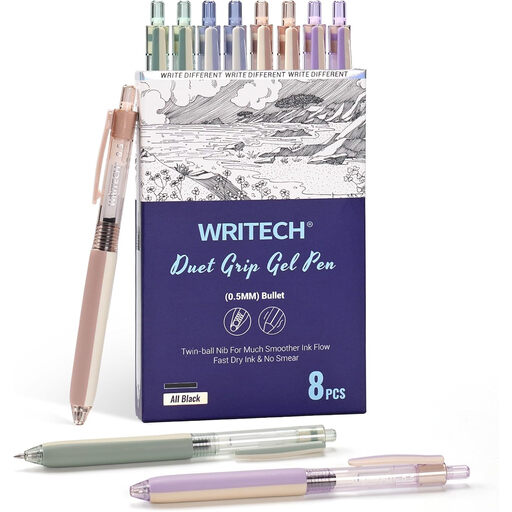
Why This Fits Their Persona: For those who value precision for journaling, sketching or detailed note-taking, this pen offers comfort without sacrificing control. The fine point and ergonomic shape are suited for deliberate, careful handwriting.
This pen moves beyond the "soft grip myth." Its comfort comes from an intelligently designed triangular barrel that promotes a proper, relaxed writing posture, rather than relying on a simple soft cylinder.
The quick-dry gel ink is a major benefit for left-handed writers and anyone who uses highlighters, as it dries almost immediately to prevent smudging and keep work clean.
We have compiled a complete, real-time list of products that fully satisfy these strict selection criteria and UK safety regulations.
For many people with arthritis, a chunkier or wider pen can be more comfortable. This is because it allows the hand to maintain a more open and relaxed grip, reducing the need to clench fingers tightly, which can be painful for inflamed joints. However, comfort is subjective, so what works for one person may not work for another. It's about finding a size and shape that minimises your personal strain.
The main difference is the ink. An ergonomic ballpoint pen uses oil-based, low-viscosity ink that is reliable and dries quickly. An ergonomic gel pen uses water-based gel ink, which typically provides a more vivid line and an even smoother, lower-friction writing experience. The trade-off can be a slightly longer drying time for some gel inks, though many modern formulas dry very quickly. Both can be excellent choices for reducing hand fatigue.
Aside from choosing an ergonomic ballpoint pen, you can try a few other things. Take regular breaks to stretch your fingers and wrist. Pay attention to your posture and ensure you are not tensing your shoulder, arm or hand. Also, try to write with a lighter touch—a good ergonomic pen with smooth ink should not require you to press down hard on the paper.