
24/7 全天候客户支持

免费退货

当日/次日达

品质保障

开启新人专享福利: 全场免邮 | 低至 2 折 | 免费试用 30 天 JoyPlus 会员
下载 Joybuy
Freezing food is a cornerstone of a well-managed kitchen. It helps reduce waste, saves money on bulk purchases and makes meal prep a breeze. Yet, a simple mistake in choosing your freezer bags can undo all that good work, leading to spoiled food and money down the drain. The frustration of finding your carefully prepared meals ruined by freezer burn or a split bag is something many of us know too well.
As the Joybuy Product Recommendation Officer, my role is to help you navigate the crowded market of kitchen essentials. Many products make bold claims, but not all deliver. Let's look at the common pitfalls to avoid when buying bags for freezing food, ensuring your food stays as fresh as the day you stored it.
To ensure your food is properly protected, focus on these core parameters rather than just the marketing copy on the box.
The term heavy duty freezer bags should signify more than just a marketing slogan. Look for bags made from thicker-gauge polythene. This provides a more robust barrier against the cold, dry air of your freezer. A thicker material is less likely to become brittle and crack and it offers superior resistance to punctures. This is especially important if you freeze items with bones, like chicken thighs or chops.
The seal is your primary defence against air and moisture. You generally have two options:
Consider what you will be freezing most often. Large freezer bags are essential for batch-cooked stews, whole loaves of bread or large cuts of meat. Smaller bags are perfect for portioning out single servings, freezing berries or storing leftover sauces. Using the right-sized bag is more efficient, as it minimises the amount of excess air you have to remove, which is a key step to prevent freezer burn.
To help you choose, we've matched some reliable options to common household needs. These selections are based on their objective features and how well they address the pitfalls we've discussed.
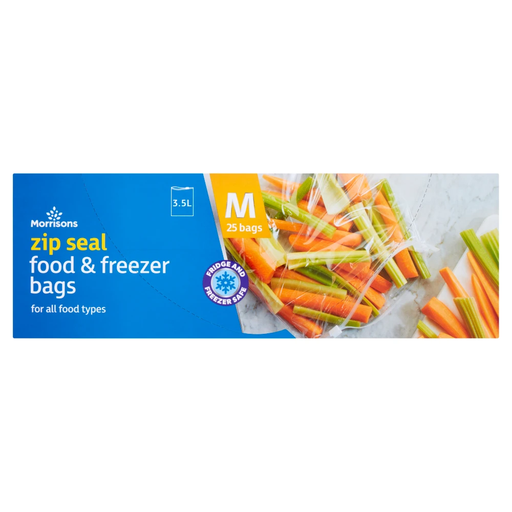
Why This Fits Their Persona: Perfect for those who portion out weekly meals. The zip closure allows for easy access and the write-on panel is invaluable for labelling contents and dates, keeping the freezer perfectly organised.
Its secure zip closure system directly counters the weak seal dilemma, creating an airtight lock that is crucial for preserving the quality of pre-cooked meals and preventing leaks.
The combination of a reliable zip seal and a dedicated write-on panel provides superior convenience for systematic meal prepping and food rotation.
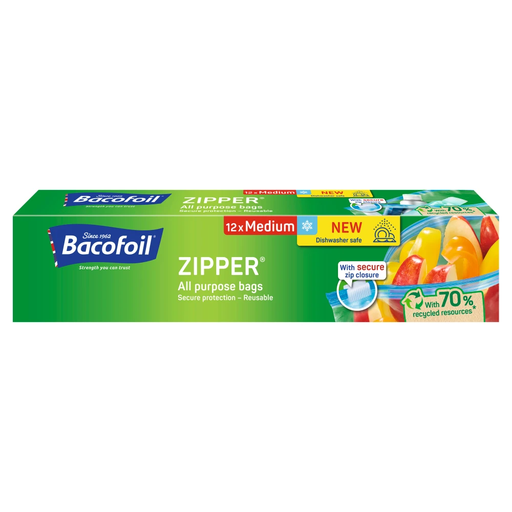
Why This Fits Their Persona: For those looking to reduce single-use plastic, these reusable freezer bags are an excellent fit. They are designed to be washed and reused, offering a more sustainable approach to food storage without sacrificing performance.
It tackles both the flimsy bag and weak seal pitfalls. The material is tear-resistant and the audible “ZZZZiip” closure gives confidence that the bag is properly sealed every time.
Designed to be reused up to 10 times and dishwasher safe. The stand-alone base also makes filling them with liquids like soups or sauces much easier.
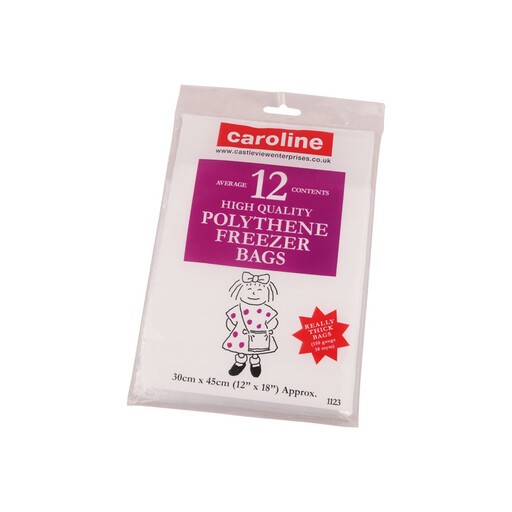
Why This Fits Their Persona: For anyone who needs to freeze a large joint of meat, a whole chicken or a family-sized batch of casserole, standard bags just won't do. These extra-large bags provide the necessary space without stretching or splitting.
It directly solves the issue of misleading capacity. Its generous dimensions and "heavyweight durable plastic" construction prevent the splits and tears that occur when trying to force a bulky item into an undersized, flimsy bag.
The combination of extra-large size (30x45cm) and heavyweight material provides a reliable solution for freezing awkward or bulky food items that other bags can't handle.
We have compiled a complete, real-time list of products that fully satisfy these strict selection criteria and UK safety regulations.
Freezer burn is caused by dehydration when food is exposed to air. To prevent it, you must minimise air contact. First, choose a bag made from thick, durable material. Second, after filling the bag, remove as much air as possible before sealing. You can do this by pressing the air out manually or by using the water displacement method (partially submerge the sealed bag in water to force air out, then finish sealing). Finally, ensure the seal is 100% airtight.
Yes, but with caution. Some reusable freezer bags are specifically designed for multiple uses and are often dishwasher safe. For standard disposable bags, reusability depends on their previous contents. You should never reuse a bag that has held raw meat, poultry or fish due to the risk of cross-contamination. Bags that held bread, fruit or vegetables can often be washed thoroughly with hot, soapy water, rinsed and dried completely before being used again. Always inspect a reused bag for any signs of wear or punctures before filling it.
The primary difference is the material. Freezer bags are made from a thicker and more durable grade of plastic (polythene) that is engineered to remain flexible at freezing temperatures. Standard food storage or sandwich bags are much thinner. When placed in a freezer, this thin plastic can become brittle, leading to cracks and splits that compromise the food inside. Using a proper freezer bag provides a much more effective barrier against air and moisture, which is essential for long-term storage.