
24/7 Customer Support

Free returns

Same-day & Next-day Delivery

Quality Guaranteed

Unlock Your Welcome Offers: FREE Delivery | Up to 80% OFF | Free 30-day JoyPlus trial
Download the APP
A good kitchen bowl is one of the most underrated essentials in any home. From preparing a family meal to the daily chore of washing up, the right bowl can make tasks simpler, cleaner and more efficient. Yet, with so many materials, shapes and sizes available, choosing one that truly meets your needs can be a challenge. This guide is designed to help you navigate the options, focusing on practical features that matter for everyday use in a UK kitchen.
We will explore what to look for when selecting a new kitchen bowl and share some recommendations that stand out for their functionality and design.
Before you decide, consider these key factors to ensure your new bowl is a perfect fit for your kitchen routine.
The material of your bowl influences its durability, weight and ideal use.
Consider what you'll use the bowl for most often.
Here are a few kitchen bowls that offer practical solutions for different household needs.
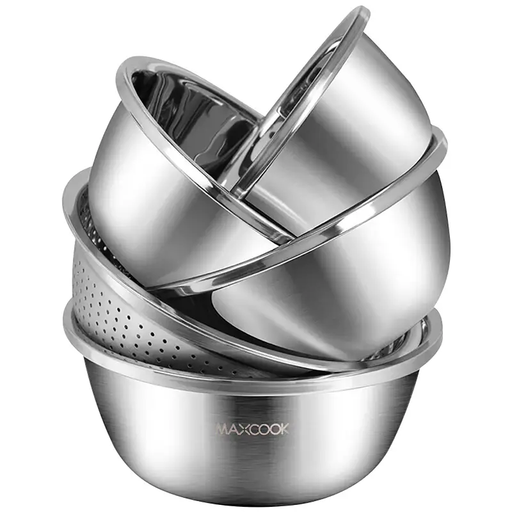
Why It Stands Out: This set is a complete solution for food preparation. It combines three deep bowls with two matching sieves, all made from durable 304 stainless steel. The components nest together perfectly, making it an excellent choice for kitchens where storage space is at a premium.
Pros:
Who is it for? Home cooks looking for a multi-functional and space-saving bowl and sieve set for daily food preparation tasks like washing, draining and mixing.
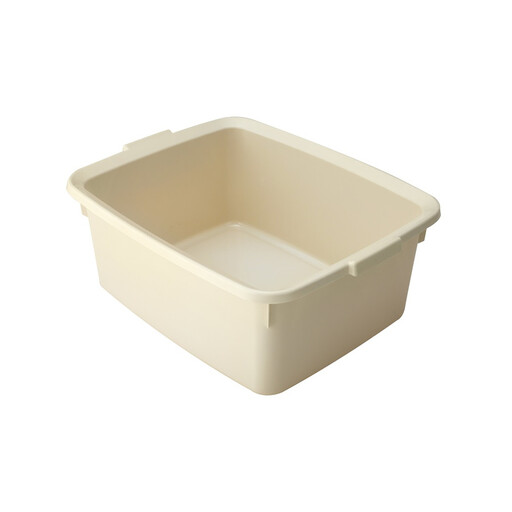
Why It Stands Out: This washing up bowl is specifically designed with butler and farmhouse-style sinks in mind. Its generous 12-litre capacity and rectangular shape provide ample space for washing larger items, while the hard-wearing plastic and high-gloss finish make it easy to clean and resistant to stains.
Pros:
Who is it for? Households with butler or farmhouse sinks, or anyone needing a large, sturdy and practical plastic washing bowl for daily use.
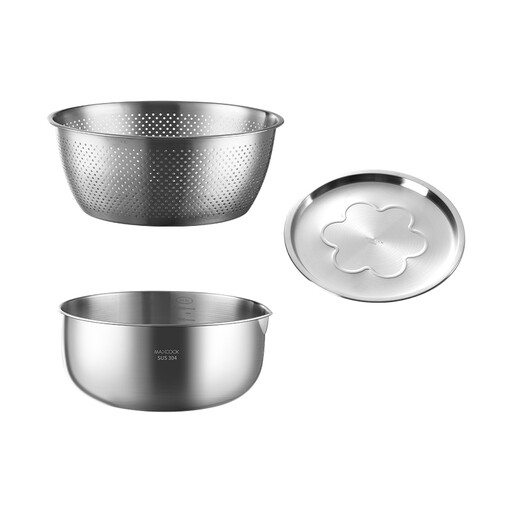
Why It Stands Out: This stainless steel mixing bowl set is designed for precision and convenience. Each bowl features internal measurement scales, which is a great help for baking. The deep design helps prevent splashes when mixing, and the set includes a water filter basin and lids, allowing you to prep, wash and store food all with one kit.
Pros:
Who is it for? Keen bakers and cooks who appreciate thoughtful design features like measurement marks and splash-guards in their food preparation bowls.
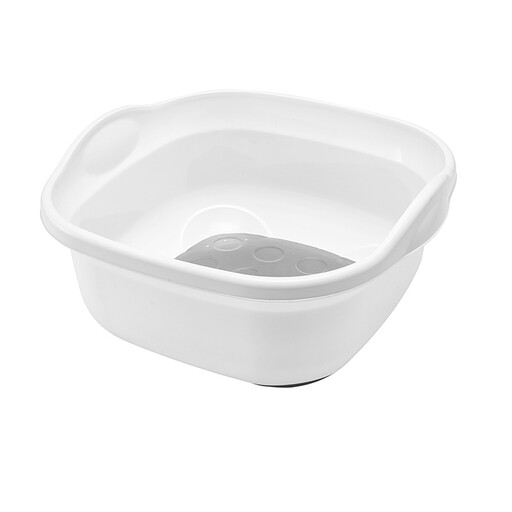
Why It Stands Out: The key feature of this bowl is protection. It has soft-touch feet to prevent scratching on stainless steel or ceramic sinks, and a protective inner liner that helps safeguard delicate dishes and glassware from being chipped during washing.
Pros:
Who is it for? Anyone with a delicate sink surface (such as ceramic or high-polish stainless steel) who wants to prevent scuffs and scratches during daily washing up.
The right bowl can make a surprising difference in your daily kitchen routine. If you are particularly interested in the durability and hygiene of metal, you can explore a wider variety of options.
Discover more durable and versatile choices in our full collection of stainless steel wash basins.
1. What is the most durable material for a kitchen bowl? For mixing and food preparation, high-grade stainless steel (such as 304) is exceptionally durable. It resists dents, rust and corrosion, and it doesn't absorb odours or stains. For washing up, a high-quality, thick plastic bowl offers great longevity and protects your sink.
2. Can I put a stainless steel mixing bowl in the dishwasher? Most stainless steel mixing bowls are dishwasher-safe, which makes for easy cleaning. However, it is always a good practice to check the manufacturer's care instructions, especially if the bowl has any non-stick coatings or plastic components like lids or bases.
3. What size washing up bowl do I need? An 8-10 litre bowl is generally sufficient for most standard UK sinks and daily washing up needs. If you have a large family or a butler/Belfast sink, a larger bowl of 12 litres or more will likely be more practical and prevent water from splashing onto your worktops.