
24/7 Customer Support

Free returns

Same-day & Next-day Delivery

Quality Guaranteed

Unlock Your Welcome Offers: FREE Delivery | Up to 80% OFF | Free 30-day JoyPlus trial
Download the APP
From lining a roasting tin for the Sunday lunch to wrapping sandwiches for a picnic, kitchen foil is a staple in almost every UK household. Yet, when you stand in the aisle or browse online, the choice can be surprisingly complex. Do you need standard, heavy-duty or non-stick? What about alternatives for storing leftovers? A flimsy or unsuitable foil can lead to torn sheets, stuck-on food and unnecessary kitchen frustrations.
This guide is designed to help you navigate the options. We will outline the key features to consider when selecting kitchen foil and present a few recommendations to suit different needs, whether you are a keen home cook, a busy parent or a meticulous meal prepper.
Before you add a roll to your basket, considering a few key points can ensure you get the right product for the job.
The term tin foil is often used, but most products today are aluminium foil. The main difference lies in their thickness and features. A standard roll is a versatile all-rounder, suitable for covering dishes or wrapping sandwiches. For Sunday roasts or barbecues, a heavy duty foil offers greater strength and tear resistance, making it an excellent roasting foil. For delicate items like fish or baked goods, non-stick kitchen foil can be a game-changer, preventing food from sticking without needing extra oil or butter.
While traditional foil is excellent for foil for cooking and short-term wrapping, modern alternatives offer enhanced solutions for storage. Specialised foil food bags and reusable freezer bags are designed to provide an airtight seal, which is ideal for locking in freshness and preventing freezer burn. These are particularly useful for portioning out meat, storing batch-cooked meals or keeping delicate produce fresh.
Pay attention to the small details that improve usability. A well-designed dispenser with a sharp, safe cutting edge can prevent wasted, jagged sheets. For non-stick foils, check which side is coated to ensure you use it correctly. If you are focused on food storage, look for features like resealable zippers and writable labels to help keep your fridge and freezer organised.
Here are our recommendations, selected to cover a range of common kitchen tasks, from everyday cooking to long-term food storage.
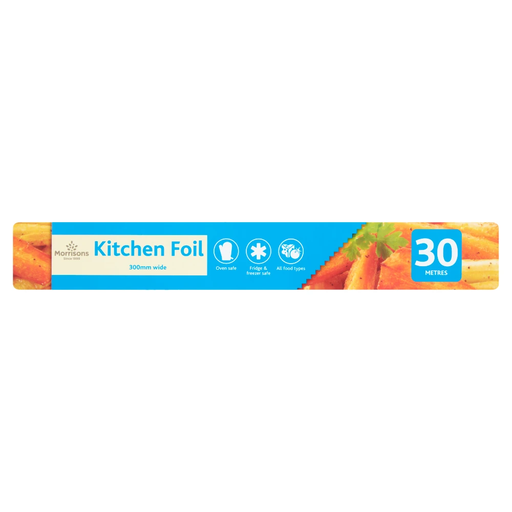
Why It Stands Out: This is a classic, all-purpose aluminium foil that handles a wide variety of kitchen duties without fuss. Its versatility makes it a reliable choice for general use.
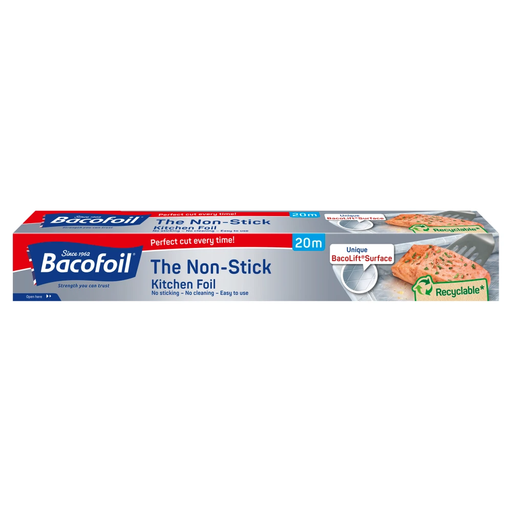
Why It Stands Out: This foil addresses the common problem of food sticking to the tray. Its non-stick surface is designed to release food easily, and the integrated cutting system makes dispensing clean and simple.
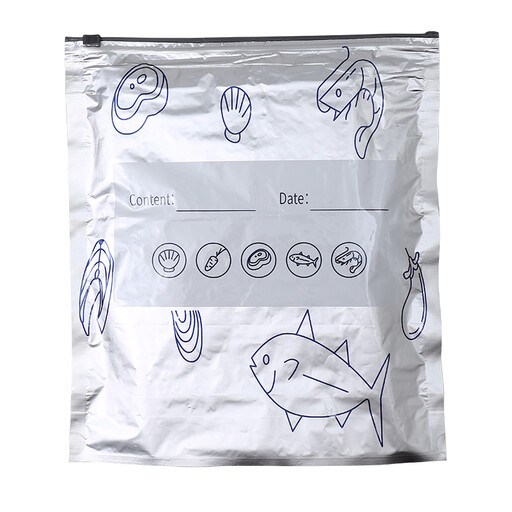
Why It Stands Out: These bags offer a specialised solution for food preservation. The multi-layer material and sliding zipper create an airtight seal, designed to block light and odours, making them ideal for freezer storage.
While the products above cover many common uses, your needs might call for something different. For marinating, sous-vide preparation or simply finding different sizes for your storage system, specialised pouches can be an excellent choice.
Explore our full range of foil pouches to find the perfect solution for your food storage needs.
1. What is the difference between tin foil and aluminium foil? Historically, foil was made from tin, which is why the name "tin foil" has stuck. However, modern kitchen foil is made from aluminium, which is more pliable, less expensive and doesn't impart a metallic taste to food. Today, the terms are often used interchangeably to refer to aluminium foil.
2. Which side of kitchen foil should touch the food? For standard kitchen foil, it makes no difference which side you use. Both sides perform identically. For non-stick kitchen foil, there is a dull side and a shiny side. The dull side is typically the non-stick coated surface and should be the one that comes into contact with your food for best results. Always check the packaging for the manufacturer's specific instructions.
3. Can you put kitchen foil in the microwave? No, you should never put kitchen foil in a microwave oven. Aluminium is a metal and will reflect the microwaves, which can cause sparks, damage your appliance and create a fire hazard. Always refer to your microwave's manual and the foil's packaging for safety warnings. The products listed here are explicitly not suitable for microwave use.