
24/7 Customer Support

Free returns

Same-day & Next-day Delivery

Quality Guaranteed

Unlock Your Welcome Offers: FREE Delivery | Up to 80% OFF | Free 30-day JoyPlus trial
Download the APP
From wrapping sandwiches to achieving the perfect Sunday roast, kitchen foil is a staple in almost every UK household. Yet, with options ranging from standard rolls to specialised non-stick foil and even alternatives like roasting bags, choosing the right product can make a surprising difference to your cooking and cleanup routine.
As the Joybuy Product Recommendation Officer, my role is to help you navigate these choices. This guide cuts through the clutter to offer practical advice, helping you find the right tool for the job, whether you're preparing a quick weeknight meal or a festive feast. We'll look at key features and highlight some reliable options to make your time in the kitchen simpler and more effective.
Before we get to our recommendations, here are a few practical points to consider when you're next shopping for aluminium foil.
The term heavy duty foil isn't just marketing jargon. Thicker, stronger foils are less likely to tear when lining grill pans, wrapping large joints of meat or covering dishes with sharp edges. For everyday tasks like wrapping a sandwich or covering a bowl, a standard thickness is usually sufficient. However, for roasting or barbecuing, a more robust foil provides better protection against leaks and high heat.
If you've ever lost the crispy skin of a salmon fillet or spent ages scrubbing baked-on cheese from a tray, non-stick foil is worth considering. It features a special coating on one side that prevents food from sticking, often reducing the need for extra oil or butter. This is particularly useful for delicate items like fish, chicken wings with a sticky glaze or baked goods.
While foil for cooking is incredibly versatile, it's not the only option for oven use. For roasts, roasting bags offer a distinct advantage. By trapping steam, they help keep meat and poultry exceptionally moist and tender. They also confine splatters, which means a significantly cleaner oven and less time spent scrubbing roasting tins.
Here are our recommendations for reliable kitchen essentials that can help simplify your cooking process.
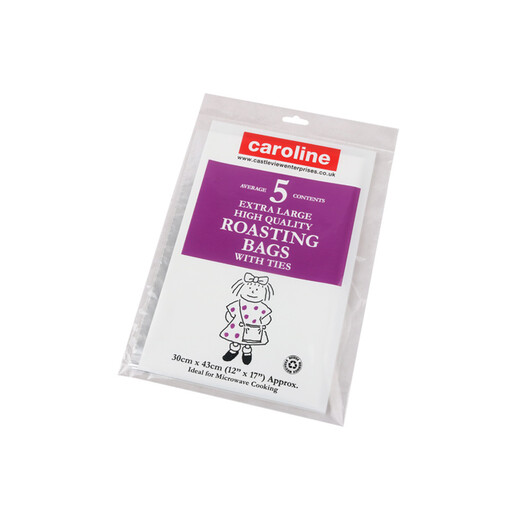
View Product: Caroline Clear Roasting Bags with Wire Polybag Tie, 300 x 430mm, pack of 5
Why It Stands Out: These roasting bags are a practical solution for anyone who loves a succulent roast but dislikes the cleanup. By creating a self-contained cooking environment, they lock in moisture and flavour, helping to prevent meat and poultry from drying out. The bag also acts as a barrier, catching juices and fat that would otherwise bake onto your oven and roasting tin.
Pros:
Who is it for? Ideal for home cooks who want to achieve consistently moist roasts with minimal fuss and an easier cleanup. A great choice for Sunday lunches, Christmas poultry or even large batches of roasted vegetables.
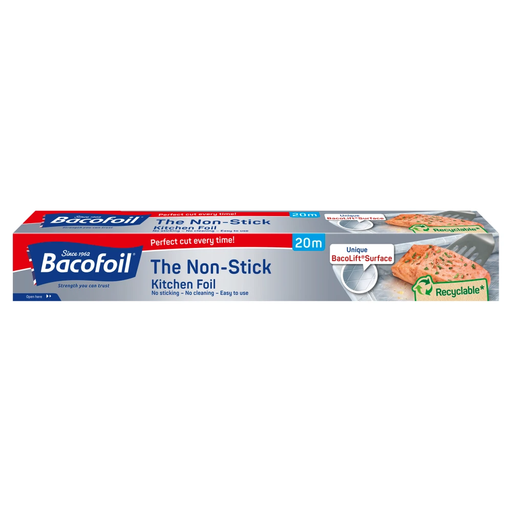
View Product: Bacofoil The Non-Stick Kitchen Foil with EasyCut System 30cm x 20m
Why It Stands Out: This non-stick foil is designed to tackle one of the most common kitchen frustrations: food sticking to the pan. It features a BacoLift surface that allows you to lift food off cleanly, even without adding extra oil. The packaging also includes a useful Easy-Cut system with a curved blade, which helps you get a clean, straight tear every time without the roll jumping out of the box.
Pros:
Who is it for? A great option for anyone who regularly cooks delicate items like fish, bakes cookies or roasts vegetables and meats with sugary or sticky marinades.
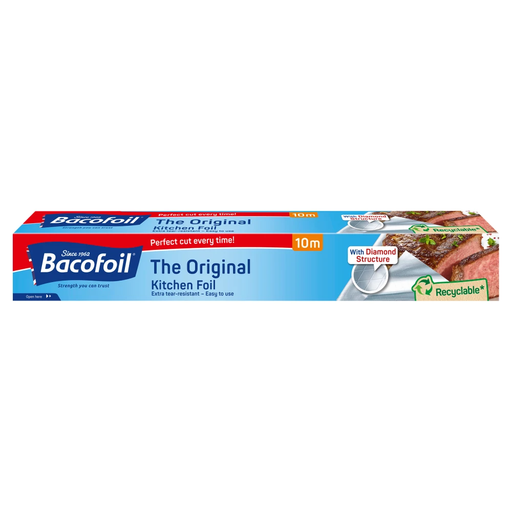
View Product: Bacofoil The Original Kitchen Foil with EasyCut System 30cm x 10m
Why It Stands Out: This is a dependable, all-purpose aluminium foil that handles a wide variety of kitchen tasks. Its strength comes from a diamond structure that makes it tear-resistant and easy to mould, whether you're covering a casserole dish, wrapping food for the grill or storing leftovers in the freezer. Like the non-stick version, it also benefits from the practical Easy-Cut system.
Pros:
Who is it for? An essential for any kitchen drawer. It's the go-to choice for general-purpose use, from lining baking trays to keeping food fresh.
While these products cover many common needs, your specific cooking style might call for something different. If you're focused on achieving the perfect roast, you may want to explore more specialised solutions.
For a wider selection, explore our full range of Roasting Bags and find the perfect match for your oven.
1. What is the difference between kitchen foil and tin foil? The terms are often used interchangeably, but they refer to different materials. What we call tin foil today is actually aluminium foil. True tin foil hasn't been widely produced for decades, as aluminium is more pliable, less expensive and doesn't impart a metallic taste to food.
2. Does it matter which side of aluminium foil I use? For standard kitchen foil, it makes no difference. Both sides perform identically. The slight difference in appearance (one shiny side, one dull side) is simply a result of the manufacturing process. However, for non-stick foil, it is important to use the correct side. The dull or matte side is typically the one with the non-stick coating and should be placed in contact with the food.
3. Can you put kitchen foil in an air fryer? In many cases, yes, but it requires care. If you use foil, ensure it is properly weighed down by food so it cannot be lifted by the circulating air and come into contact with the heating element. It's also important not to cover the entire base of the basket, as this can block airflow and lead to uneven cooking. Always check your air fryer's instruction manual for specific guidance.