
24/7 Customer Support

Free returns

Same-day & Next-day Delivery

Quality Guaranteed

Unlock Your Welcome Offers: FREE Delivery | Up to 80% OFF | Free 30-day JoyPlus trial
Download the APP
From smartphones and tablets to drones and dash cams, it seems every device could use a bit more storage. But choosing the right microSD card can feel like navigating a minefield of technical jargon. With terms like V30, A2 and UHS-I, it’s easy to feel overwhelmed and unsure if you’re getting the right card for your needs.
This guide is designed to cut through the jargon. As the Joybuy Product Recommendation Officer, my role is to provide clear, practical advice to help you find a memory card that delivers the performance and reliability you need, without overpaying for features you won't use. Whether you're expanding your phone's storage, capturing 4K video or securing your vehicle with a dash cam, we'll help you make an informed choice.
Before diving into our recommendations, let's clarify a few key specifications. Understanding these will help you match a card to your specific device and usage.
If you plan to record video, especially high-resolution footage, the card's speed class is critical. Look for these ratings:
If you're buying a microSD card for an Android smartphone or tablet to store and run apps, the Application Performance Class matters. An A2 rated microSD card is optimised for this task, offering faster random read/write speeds. This translates to quicker app loading times and a smoother overall experience compared to cards without an A-rating.
Not all memory cards are built for the same job.
Based on a balance of performance, capacity and intended use, here are our recommendations for UK consumers this year.
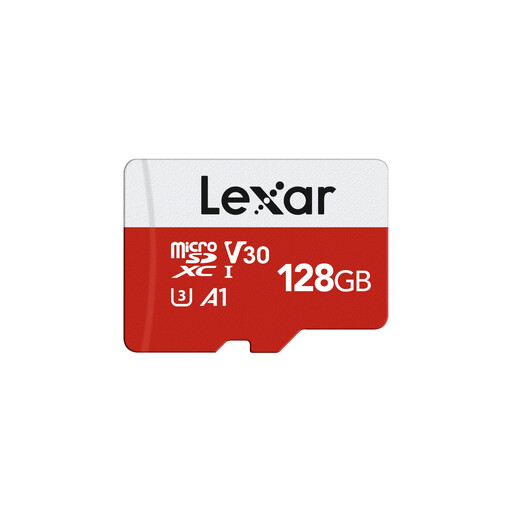
Why It Stands Out: The Lexar E Series is a fantastic all-rounder that offers a great balance of speed and capacity for a wide range of devices. With a 128GB microSD card capacity, it provides ample space for photos, videos and apps. Its U3 and V30 ratings mean it's more than capable of handling 1080p and 4K video recording on action cameras or drones, while the A1 rating provides a performance boost for apps on your smartphone.
Pros:
Who is it for? This card is ideal for smartphone and tablet users looking to expand their storage, as well as for hobbyist photographers and videographers using drones or action cameras.
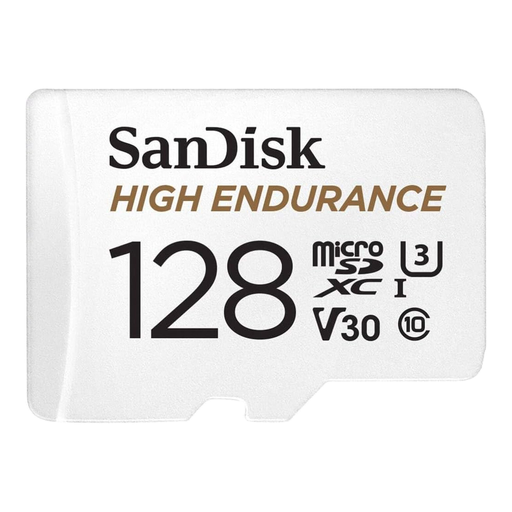
Why It Stands Out: When reliability is non-negotiable, the SanDisk High Endurance card is the clear choice. It's engineered specifically for the constant writing and rewriting cycles of dash cams and home monitoring systems. While a standard card might fail under this strain, this high endurance microSD is built to last, ensuring crucial footage is always captured. It also carries Class 10, U3 and V30 ratings, so you can record in crisp Full HD or 4K without issue.
Pros:
Who is it for? Anyone who uses a dash cam, home security camera or any other device that records video continuously. This is the card you choose for set-and-forget reliability.
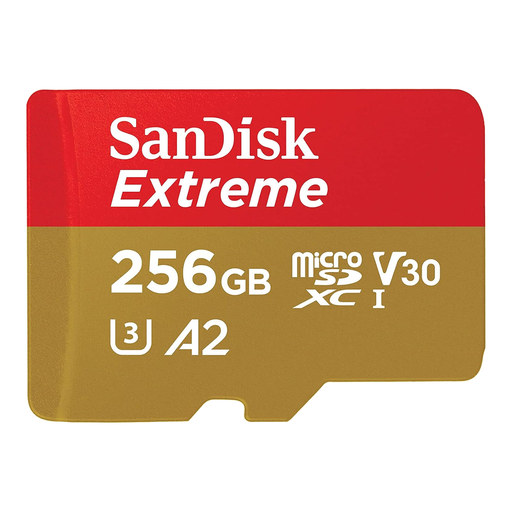
Why It Stands Out: For those who need maximum performance, the SanDisk Extreme series delivers. This fast memory card is built for action. With write speeds up to 130MB/s, it’s perfect for burst-mode photography and high-frame-rate 4K video. Its read speeds of up to 190MB/s significantly cut down on file transfer times, a huge benefit for content creators. The A2 rated microSD specification also ensures top-tier performance when running demanding apps from the card on your Android device.
Pros:
Who is it for? This is the card for professional and enthusiast content creators, drone pilots needing a reliable memory card for drone operations in 4K and Android power users who demand the fastest performance.
These three recommendations cover some of the most common needs, but the world of memory cards is vast. If you're looking for a different capacity, a specific brand or a card for a unique device, there are many other choices available.
To explore a wider selection of memory cards suitable for all types of digital cameras and devices, browse our full range of Digital Camera Compatible Memory Cards.
The number refers to the minimum sustained write speed. U1 guarantees at least 10MB/s, which is fine for 1080p video. U3 guarantees at least 30MB/s, which is the recommended minimum for recording smooth, high-quality 4K video without dropped frames. For a 4K video memory card, always look for a U3 or V30 rating.
While most cards will work initially, it is strongly advised to use a high endurance microSD card. Standard cards are not designed for the constant rewriting of loop recording and can fail prematurely, potentially at a critical moment. High endurance cards are built to handle this specific workload for thousands of hours.
If you only use your microSD card to store photos, videos and music, an A1 or even a non-A-rated card will work perfectly well. However, if you plan to move apps to the card and run them from it, an A2 rated microSD card will provide a noticeably faster and smoother experience, with quicker app launch times and better overall responsiveness.