A quality non-stick pan is a cornerstone of the modern kitchen, making everything from a morning fry-up to a delicate fish fillet simpler and healthier. However, the wrong utensils can quickly ruin that slick surface, leading to scratches, flaking and frustration. Choosing a non-stick utensil set is a small step that makes a big difference in protecting your cookware investment for years to come.
As the Joybuy Product Recommendation Officer, my role is to help you find practical, reliable products. This guide will walk you through what to look for in a kitchen utensil set for non-stick cookware and present some of our top recommendations for 2026, helping you cook with confidence.
Choosing the Right Utensils for Your Non-Stick Cookware
Navigating the options can be tricky. To simplify your choice, focus on these key features that ensure both performance and longevity.
The material is the most critical factor for scratch-proof utensils.
- Silicone Cooking Utensils: Highly popular for good reason. Silicone is flexible, gentle on surfaces and typically has high heat resistance. Look for sets that are certified BPA-free kitchen tools to ensure food safety. Many modern sets feature a solid core (like stainless steel) for added strength, preventing the utensils from feeling flimsy.
- Wooden Spoons for Non-Stick Pans: A timeless classic. Wood is naturally non-abrasive and won't scratch your pans. It's sturdy, feels pleasant to hold and doesn't conduct heat. For an environmentally conscious choice, look for wood sourced from FSC-certified forests. The main consideration is maintenance, as most wooden utensils are not dishwasher safe.
- Nylon Utensils: A durable and affordable option. Like silicone, nylon is safe for non-stick coatings. It's rigid and strong, making it suitable for flipping burgers or stirring thick stews. Ensure any nylon set you consider has a good heat resistant spatula set to prevent melting at high temperatures.
2. Construction and Ergonomics
A good utensil should feel like a natural extension of your hand. Look for handles with a comfortable, non-slip grip to reduce fatigue during longer cooking sessions. Sets with a solid internal core, often made of stainless steel, offer better durability and balance compared to those made entirely from a single, flexible material.
3. Ease of Cleaning
For many home cooks, convenience is key. If you rely on your dishwasher, check that the utensils are explicitly marked as dishwasher safe utensils. While most silicone and nylon sets are, wooden tools should always be washed by hand to prevent them from drying out and cracking.
Our Top Product Recommendations
Here are a few non-stick utensil sets that stand out for their design, materials and practicality.
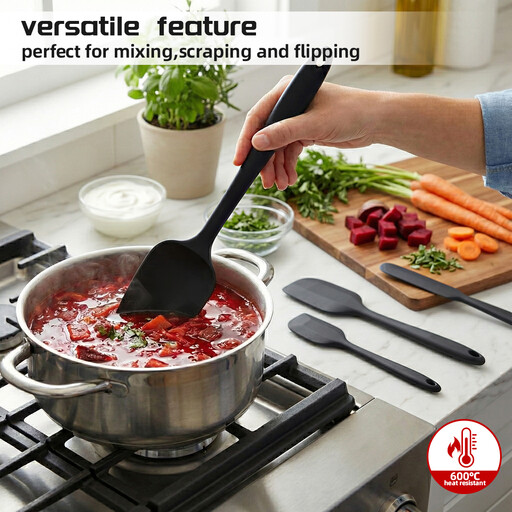
4-Piece Silicone Kitchen Utensil Set with Stainless Steel Core

- Why It Stands Out: This set combines the flexibility of silicone heads with the rigidity of a solid stainless steel core, offering a great balance of strength and surface protection. The colourful tongs are particularly useful for preventing cross-contamination between raw and cooked foods.
- Pros:
- BPA-free and food-safe materials.
- Comfort-grip handles provide secure handling.
- Fully dishwasher safe for easy cleaning.
- Includes a versatile range of tools: spatula, spoon, turner and tongs.
- Who is it for? This is an excellent starter set for new homeowners, students or anyone looking for a reliable, all-in-one solution that covers the most common cooking tasks.
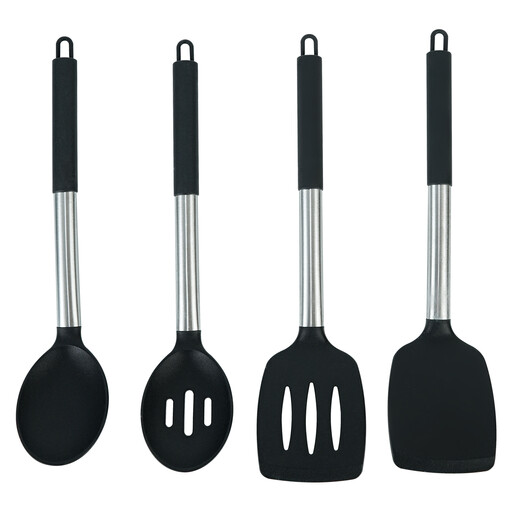
Pack of 4 Silicone Cooking Utensils with Solid Handles

- Why It Stands Out: This set is built for durability. The stainless steel cores and ergonomic handles give these utensils a substantial, well-balanced feel. The selection—spatula, slotted turner, solid spoon and ladle—is curated for everyday cooking, from frying to serving soups.
- Pros:
- Sturdy construction resists bending under pressure.
- Ergonomic handles are designed for comfort and control.
- Dishwasher safe for effortless cleanup.
- Includes a ladle, perfect for soups, stews and sauces.
- Who is it for? The home cook who spends significant time in the kitchen and appreciates tools that feel robust and are built to last. It’s a practical upgrade from basic plastic utensils.
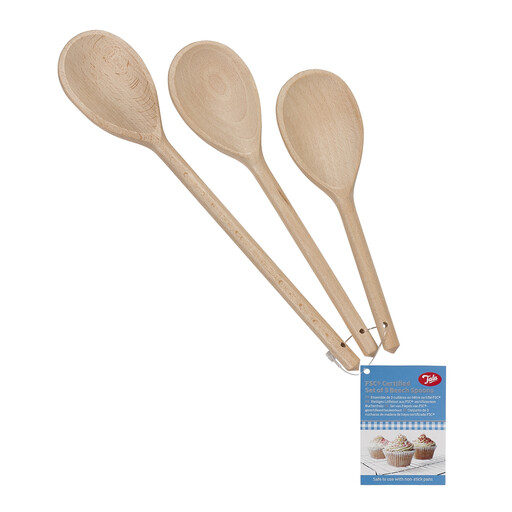
Tala Wooden Spoon Set, FSC Beechwood

- Why It Stands Out: This set offers the timeless appeal and gentle touch of natural wood. Sourced from FSC-certified beechwood, it's a sustainable choice. Wooden spoons are famously versatile, ideal for everything from stirring a bolognese to mixing cake batter without scratching non-stick bowls or pans.
- Pros:
- Made from 100% natural, sustainably sourced beechwood.
- Completely safe for all non-stick surfaces.
- Durable and develops character over time.
- From Tala, a trusted British kitchenware brand since 1899.
- Who is it for? Anyone who prefers natural materials, enjoys baking or wants a set of classic, reliable wooden spoons for non-stick pans. It's also a great choice for the environmentally conscious consumer.
Looking for More Options?
If these recommendations aren't quite what you're looking for, or if you need additional individual tools, there are many other options available.
? Explore our full range of Kitchen cooking accessories to find the perfect tools for your culinary needs.
Frequently Asked Questions
1. Is silicone or wood better for non-stick pans? Both are excellent choices for protecting non-stick surfaces. Silicone offers higher heat resistance and is usually dishwasher safe, making it very convenient. Wood is a natural, sturdy material that is also completely non-abrasive but requires hand washing to maintain its condition. The choice often comes down to personal preference for maintenance and material feel.
2. At what temperature does a silicone spatula melt? Most high-quality silicone cooking utensils are heat resistant up to around 220-260°C (428-500°F). This makes them safe for most stovetop cooking tasks. However, you should never leave any utensil resting in a hot pan or exposed to a direct flame, regardless of the material. Always check the manufacturer's specifications for the exact heat rating.
3. How do I stop my utensils from scratching my pans? The simplest way is to avoid metal utensils altogether on non-stick surfaces. Stick to tools made from silicone, wood or nylon. Also, avoid using abrasive scouring pads when cleaning your non-stick cookware, as this can damage the coating over time. A soft sponge and gentle washing-up liquid are all you need.