
24/7 Customer Support

Free returns

Same-day & Next-day Delivery

Quality Guaranteed

Unlock Your Welcome Offers: FREE Delivery | Up to 80% OFF | Free 30-day JoyPlus trial
Download the APP
As a Joybuy Product Recommendation Officer, I often see home cooks in the UK looking to bring the classic, natural feel of wood into their kitchens. Wooden kitchen utensils are fantastic—they don't scratch non-stick pans and they look wonderful. However, the market is filled with options that look good on the shelf but fail in a real kitchen environment. Before you buy, it's worth knowing about a few common pitfalls that can lead to disappointment and wasted money.
The main issues often stem from poor material choice or misleading design. Here are three frequent traps to be aware of:
By understanding what to look for, you can easily sidestep these problems and find a set of tools that will serve you well for years.
To find reliable and long-lasting wooden cooking utensils, focus on a few key parameters rather than just the price tag. These details are what separate a quality tool from a kitchen drawer filler.
Not all woods are created equal for kitchen use. Hardwoods with a tight grain are far superior.
Look for products with FSC (Forest Stewardship Council) certification. This ensures the wood comes from responsibly managed forests, making your purchase a more sustainable kitchen accessory.
How a utensil is made is just as important as the material.
Your choice here depends on your cookware and cooking style.
Based on these practical criteria, here are a few options that match different needs and kitchen styles.
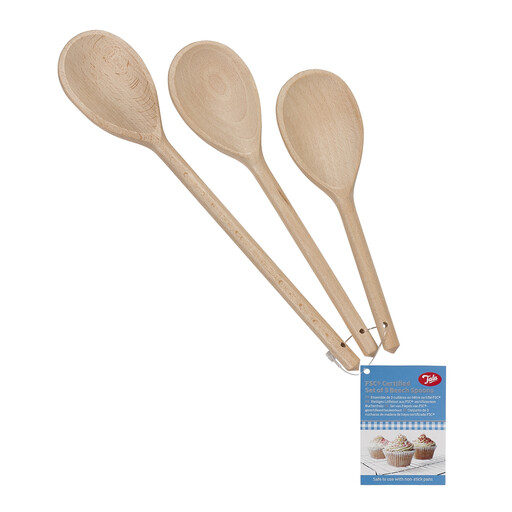
Why This Fits Their Persona: This is for the home cook who values tradition, reliability and sustainability. This classic three-piece set covers all the basics for stirring, scraping and serving, and comes from a trusted British kitchenware brand.
Made from solid, durable beechwood, it is naturally resistant to splintering and cracking. The finish is simple and functional, with no varnish to chip into your food.
FSC-certified wood ensures it's an eco-friendly choice. The smooth beechwood is naturally safe for all non-stick cookware.
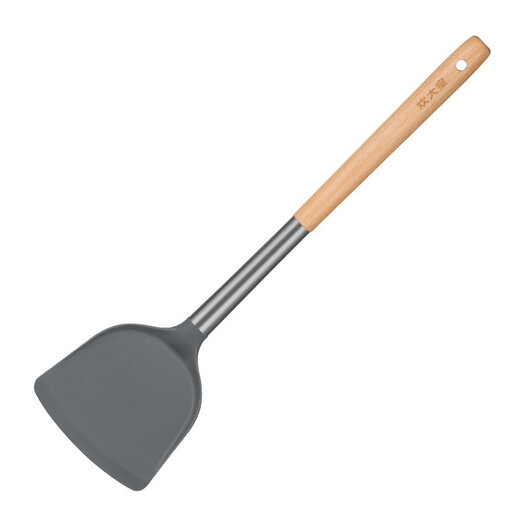
Why This Fits Their Persona: Ideal for those who love the aesthetic of wood but demand the high performance needed for modern non-stick pans. This hybrid design offers the best of both worlds for frequent cooking.
The waterproof handle is designed to prevent water damage at the join, avoiding the common hybrid design flaw. The food-grade silicone head eliminates any risk of scratching non-stick surfaces.
High heat resistance for safe frying and a soft, flexible silicone head that protects expensive cookware. The ergonomic wooden handle provides a comfortable, non-slip grip.
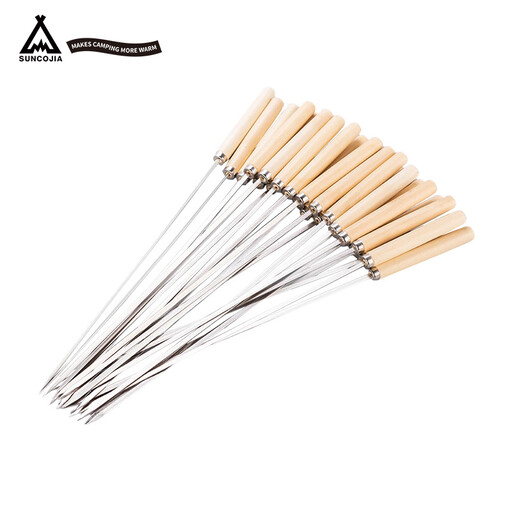
Why This Fits Their Persona: This is for the barbecue enthusiast who needs practical, reusable tools for grilling. The wooden handle is a crucial feature for safety and comfort when cooking over open flames.
The wooden handle provides essential heat insulation, preventing the burns that can occur with all-metal skewers. The food-grade 304 stainless steel is durable and won't rust or contaminate food.
Heavy-duty, reusable design is more sustainable than disposable skewers. The wooden handle ensures safe and comfortable handling during grilling.
We have compiled a complete, real-time list of products that fully satisfy these strict selection criteria and UK safety regulations.
It is generally not recommended. The high heat and harsh detergents in a dishwasher can strip the natural oils from the wood, causing it to dry out, warp or crack over time. For longevity, always hand wash your wooden utensils with mild soap and warm water.
Proper care is simple and will significantly extend the life of your tools. After hand washing, dry them immediately with a towel rather than letting them air dry. To keep the wood from drying out, occasionally rub them with a food-safe mineral oil or a specialised board cream. This restores their lustre and creates a protective barrier.
Yes, when cared for properly, they are perfectly hygienic. Many types of wood have natural properties that can inhibit the growth of bacteria. The key is to clean them thoroughly after each use, ensure they are completely dry before storing and keep them out of standing water.