
24/7 全天候客户支持

免费退货

当日/次日达

品质保障

开启新人专享福利: 全场免邮 | 低至 2 折 | 免费试用 30 天 JoyPlus 会员
下载 Joybuy
A broom can look like a simple household purchase, but the wrong design quickly becomes inconvenient. Soft bristles may struggle with wet leaves and gravel, while stiff outdoor fibres can mark delicate indoor flooring. A short or poorly connected handle can also cause discomfort, particularly when clearing a large patio or driveway.
Before buying brooms and outdoor brushes, look beyond colour and headline claims. The most useful questions are practical: where will the broom be used, what type of debris must it collect and how easily can it be stored and maintained?
A soft bristle broom is generally more suitable for collecting dust, crumbs and fine debris from smooth indoor floors. Stiff fibres are more effective for leaves, soil, mud and gravel, but may be unnecessarily harsh on wood, laminate or other delicate surfaces.
A common mistake is buying one broom for every task. An indoor broom and a garden sweeping brush have different jobs. Using an outdoor broom in the kitchen can be awkward, while a soft indoor brush may bend or clog when used on a driveway.
A wide broom head can cover more ground per stroke, which is useful on patios, paths and driveways. However, a larger head may be difficult to manoeuvre around furniture, narrow passages or tight corners.
For everyday indoor cleaning, a narrower or angled broom head can be more useful than maximum coverage. For outdoor maintenance, a 45cm patio brush can reduce the number of passes needed across larger areas.
A broom with handle sections that loosen during use can make sweeping frustrating and potentially unsafe. Check how the handle is assembled, whether sections lock securely and whether the total length suits your height.
Multi-piece handles are convenient for compact storage, especially in rented homes or properties with limited cupboard space. They should still be tightened fully before use and checked periodically.
For indoor hard floors, look for soft nylon or similarly flexible fibres that can lift dust without being excessively abrasive. A soft indoor broom is suitable for surfaces such as:
For outdoor work, stiff polypropylene and nylon bristles are more appropriate. These can handle leaves, soil, gravel, mud and heavier debris across patios, paths, decking, garages and driveways.
A stiff bristle broom should be rinsed and dried after wet or muddy use. Removing trapped hair, leaves and grit also helps preserve the shape and sweeping performance of the head.
An angled broom can reach along skirting boards, into corners and beneath furniture. This is particularly useful in kitchens, utility rooms and living areas where dust tends to collect at edges.
For exterior cleaning, a broad head improves coverage. A driveway broom or heavy-duty garden broom with a wide head is practical for clearing larger areas, although it may be less convenient in narrow spaces.
A comfortable handle should provide useful reach without making the broom difficult to control. Multi-piece steel handles can offer a balance between durability and storage convenience.
Look for:
A broom should be stored in a dry place. Outdoor models benefit from being hung or placed where the head is not left in standing water.
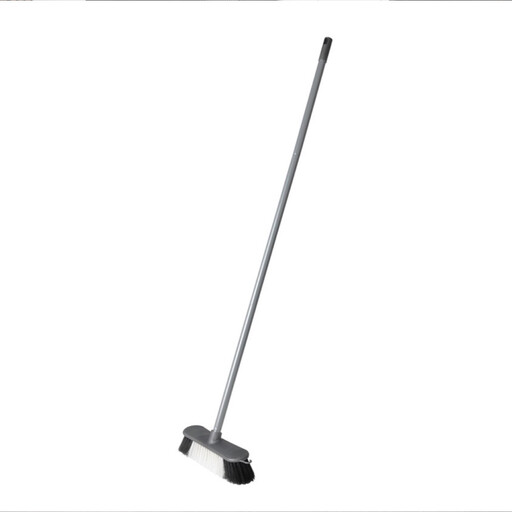
Why This Fits Their Persona: A practical choice for renters, first-time buyers and households needing a compact indoor broom for regular dust and debris removal.
Its soft nylon bristles are intended for smooth indoor hard floors rather than demanding outdoor debris, helping avoid a mismatch between bristle stiffness and surface type. The three-piece handle also supports compact storage.
Soft nylon bristles, an angled head and a 13-inch width suit everyday indoor sweeping. The steel handle dismantles for cupboard storage.
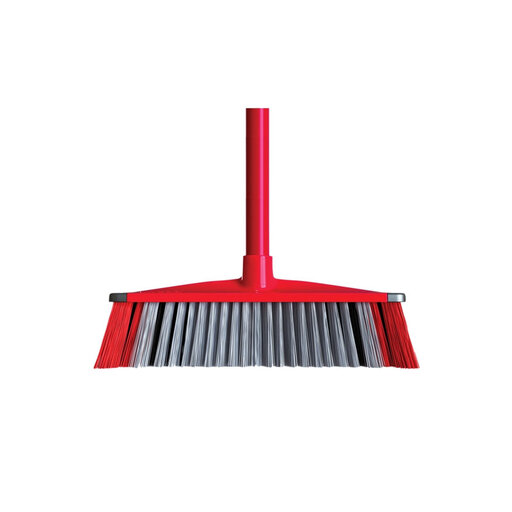
Why This Fits Their Persona: Suitable for households wanting a ready-to-use indoor broom for frequent cleaning across tiles, laminate, vinyl and sealed hard floors.
The three-fibre arrangement is designed to address fine dust, larger debris and stubborn dirt, while angled bristles help reach edges. Integrated rubber bumpers help reduce knocks against walls and furniture.
No assembly is required. The broom uses bristles made from 100% recycled PET, with angled fibres for corners and edges.
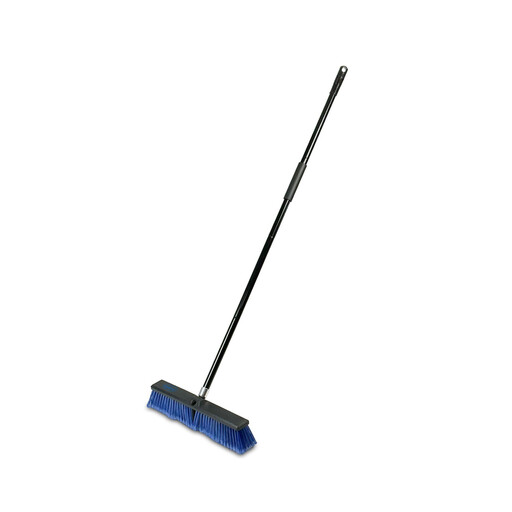
Why This Fits Their Persona: Designed for homeowners, gardeners, cleaning professionals and commercial users maintaining patios, driveways, paths, garages and workshops.
The 45cm head and stiff polypropylene and nylon bristles are specified for leaves, soil, gravel, mud and stubborn debris. A four-piece metal handle and hanging hook address reach and storage concerns.
The wide head covers larger areas efficiently. It is suitable for wet and dry sweeping and can be rinsed or wiped after use.
We have compiled a complete, real-time list of products that fully satisfy these strict selection criteria and UK safety regulations.
An indoor broom usually has softer, more flexible bristles for dust and fine debris on smooth floors. An outdoor broom generally uses stiffer bristles to move leaves, soil, gravel and mud across patios, paths and driveways.
Some outdoor brushes are specified for both wet and dry sweeping. Check the product details before use, then rinse away mud and allow the brush to dry. Take care on slippery or uneven surfaces.
Replacement depends on frequency of use, storage and bristle wear. A broom may need changing when the fibres remain flattened, the head becomes loose or the handle connection no longer stays secure. Regular cleaning and dry storage can help maintain its useful working condition.