
24/7 Customer Support

Free returns

Same-day & Next-day Delivery

Quality Guaranteed

Unlock Your Welcome Offers: FREE Delivery | Up to 80% OFF | Free 30-day JoyPlus trial
Download the APP
A reliable camping lantern is more than just a convenience; it's an essential piece of kit. Whether you're navigating a dark campsite, organising gear inside your tent or facing an unexpected power outage at home, the right light source provides safety and comfort. But with so many options available, from powerful LED models to ultralight backpacking lamps, choosing the right one can feel overwhelming.
As a Joybuy Product Recommendation Officer, my role is to help you find practical solutions that fit your needs. This guide cuts through the clutter, focusing on key features to consider and offering a few carefully selected recommendations to illuminate your search. We will look at what makes a good camping lantern for different situations, from family holidays to solo treks.
Before diving into specific products, let's outline a few crucial factors to consider. Thinking about these points will help you narrow down the options and find a lantern that truly serves its purpose.
The brightness of a lantern is measured in lumens. While it's tempting to go for the highest number, more isn't always better. A bright camping light with over 700 lumens is excellent for illuminating a large outdoor area, but it can be overpowering inside a small tent.
Look for a lantern with adjustable brightness settings. A lower setting (around 100-200 lumens) is perfect for use as a tent light for reading or creating a relaxed atmosphere and it will significantly extend the battery life. A dimmer switch offers the most control, allowing you to fine-tune the light level for any task.
The power source dictates a lantern's convenience and suitability for different trips.
Consider how you will be transporting and using your lantern. For car camping or home use, a larger, more stable lantern with a high lumen output is a great choice. For hiking or trekking, a compact and lightweight backpacking lantern is essential to save space and reduce pack weight.
Also, check for durability features. An IP (Ingress Protection) rating indicates its resistance to water and dust. A rating of IPX4, for example, means the lantern is protected against splashing water from any direction, making it suitable for use in the rain. Impact resistance, often measured in metres, tells you how well it can withstand accidental drops.
Based on the criteria above, we have selected a few standout options that cater to different needs and scenarios.
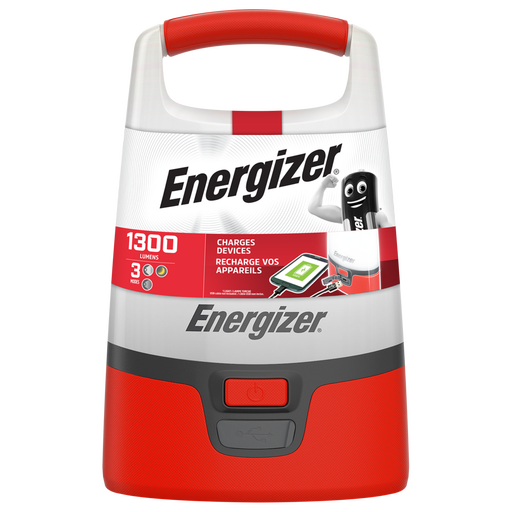
Why It Stands Out: This lantern is a versatile and powerful option that combines high-performance lighting with the practical utility of a power bank. Its robust feature set makes it a reliable companion for a wide range of situations.
Pros:
Who is it for?: Ideal for family campers, homeowners seeking a dependable lantern for power outage scenarios and anyone who needs a bright, multi-functional light source for their basecamp or workshed.
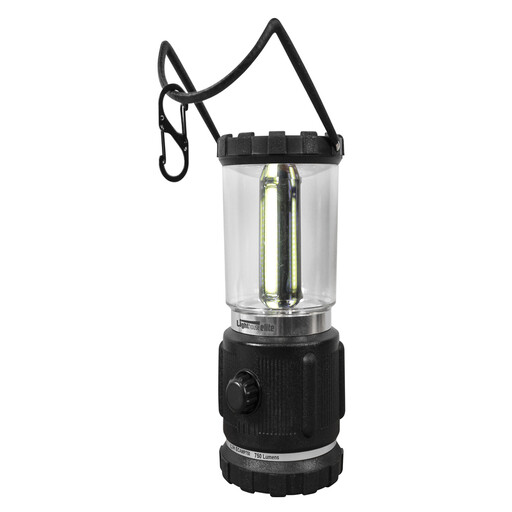
Why It Stands Out: This lantern focuses on delivering reliable, adjustable light in a straightforward and durable package. Its simplicity is its strength, offering fuss-free operation when you need it most.
Pros:
Who is it for?: A great choice for those who want a dependable battery powered lantern for general camping, fishing trips or as a reliable emergency light to keep in the house or car.
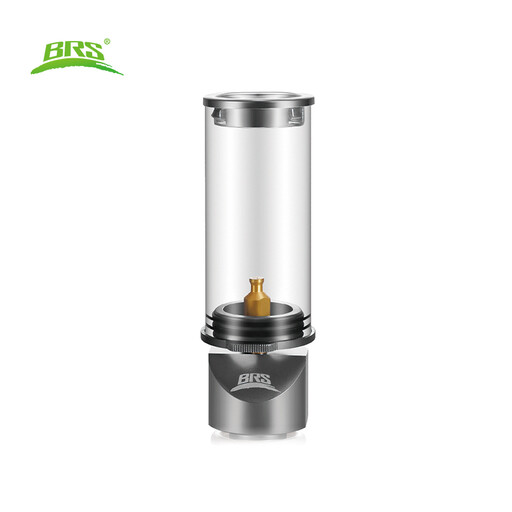
Why It Stands Out: This gas lamp is engineered for the minimalist. Its primary focus is on being exceptionally lightweight and compact, making it a specialised tool for adventures where every gram matters.
Pros:
Who is it for?: Specifically designed for backpackers, wild campers and night anglers who need a functional light source with the smallest possible footprint and weight. Note that it requires a butane gas canister and must only be used in well-ventilated outdoor spaces.
If our selected recommendations don't quite match what you're looking for, or if you'd like to see a wider range of styles and features, we have more to explore. Browse our full collection of outdoor lanterns to find the perfect fit for your next adventure.
This depends on your primary use. For ambient light inside a tent light, 100-200 lumens is usually sufficient. For general campsite tasks like cooking or setting up, 300-700 lumens is a good range. For lighting up a large area for a group, a lantern with 700 lumens or more is beneficial. More important than peak brightness is the ability to adjust the light level to suit the situation and conserve power.
Each has its advantages. LED camping lanterns are generally safer as they produce very little heat and have no open flame, making them suitable for use inside a tent or during a fire ban. They often come with extra features like USB charging. Gas lanterns, on the other hand, provide a very warm, natural-feeling light and tend to perform better in extremely cold weather. The choice comes down to your specific needs, safety considerations and personal preference.
Yes, a camping lantern is an excellent tool for home emergencies. A battery powered lantern or a rechargeable LED camping lantern provides a safe and bright alternative to candles. A model with a long runtime on its low setting or a built-in power bank can be particularly valuable during an extended power cut, providing hours of light and a way to keep your phone charged.