
24/7 全天候客户支持

免费退货

当日/次日达

品质保障

开启新人专享福利: 全场免邮 | 低至 2 折 | 免费试用 30 天 JoyPlus 会员
下载 Joybuy
Choosing cleaning sponges and scourers can seem straightforward until a low-cost pack wears out quickly, an abrasive surface damages cookware or a supposedly reusable cloth stays damp beside the sink. For UK households, the right option depends on the surface, cleaning task, storage conditions and how often you are prepared to wash or replace it.
This guide explains the main buying pitfalls, the specifications worth checking and suitable options for different household needs.
A coarse scourer may remove burnt-on food from an oven tray, but the same abrasive fibres can mark non-stick cookware, polished finishes, delicate glass or high-gloss surfaces. Product descriptions such as “heavy duty” indicate scrubbing strength, not universal surface compatibility.
Keep at least two types available: a non-scratch sponge for everyday washing-up and delicate surfaces, plus a stronger pad for grills, oven racks and robust pans.
Sponge cloths and cellulose moppets are designed mainly to absorb spills and wipe surfaces. They may not have enough texture to remove baked-on grease. Conversely, heavy-duty scourer pads can be effective on grime but are less suitable for soaking up liquids or wiping worktops.
A dual-layer sponge scourer can offer both functions, but its abrasive side still requires careful surface checks.
A large pack may appear economical, but the cost per use depends on how well each item rinses, dries and withstands repeated cleaning. A small pack of washable cleaning cloths may be more suitable for someone trying to reduce waste, while a 10-pack can make sense for a busy family that replaces washing-up sponges frequently.
Also check the care instructions. Some products can be machine washed, while others should simply be rinsed and air-dried.
Cellulose sponge cloths are absorbent and flexible, making them useful for kitchen worktops, tables, sinks and spillages. Several cellulose-based products are described as biodegradable or compostable, but disposal instructions vary, so follow the product label and local council guidance.
Synthetic sponge scourers generally offer a combination of softness and scrubbing texture. For more demanding jobs, heavy-duty scourer pads made with recycled fibres can provide a firmer surface for grills, oven racks and baking trays.
Melamine foam, used in some magic eraser sponges, works by gently abrading marks from suitable washable surfaces. It should not be treated as a general-purpose sponge: always follow the stated exclusions and test an inconspicuous area first.
Absorbency figures are usually expressed as a multiple of the product’s dry weight. For example, the listed Minky Extra Thick Sponge Cleaning Cloth is specified to hold up to seven times its own weight in water, while some cellulose sponge cloths and thick moppets are listed at up to 13 or 22 times respectively.
These figures help compare spill-handling capacity, but thickness and size also affect usability. A thicker cloth may hold more liquid, while a smaller sponge can be easier to control around taps and corners.
Rinse a sponge or cloth thoroughly after use, squeeze out excess water and allow it to air-dry in a well-ventilated place. Prolonged dampness can create unpleasant odours and reduce hygiene.
Check whether the item is dishwasher- or washing-machine-safe, and note the maximum temperature. Do not assume that a microwave-cleaning instruction applies to every product. Replace any sponge or scourer when it becomes worn, develops an odour or loses its structure.
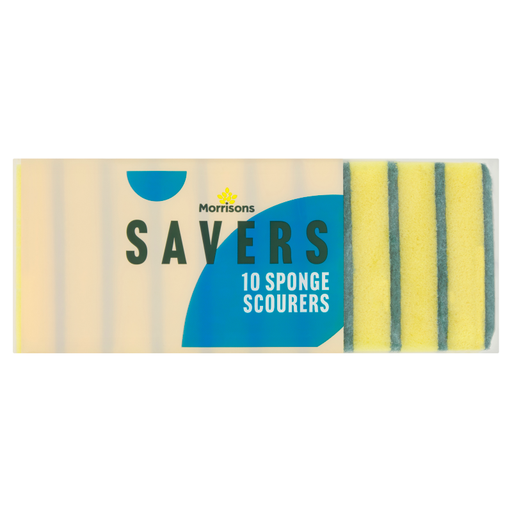
Why This Fits Their Persona: A 10-pack suits students, renters and families who want a practical supply for routine washing-up and household cleaning without buying individual sponges frequently.
The dual-purpose format makes the intended roles clear: an absorbent sponge combined with a scrubbing side. It is not recommended for non-stick or delicate surfaces, reducing the risk of unsuitable use.
10 pieces per pack; rinse-before-and-after-use care instructions; suitable for dishes, pans and hard kitchen surfaces.
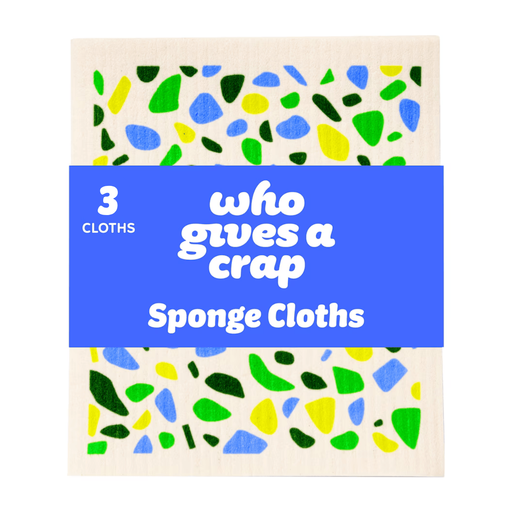
Why This Fits Their Persona: This reusable option suits households prioritising plant-based materials, reduced plastic use and a defined washing routine.
The product information specifies 100% plant-based ingredients, no plastic and home compostability. It also states that the cloth should be dried naturally and not placed in a tumble dryer.
Three-pack; made from cellulose and repurposed cotton; listed as washable up to 95°C and typically reusable for 9–12 months.
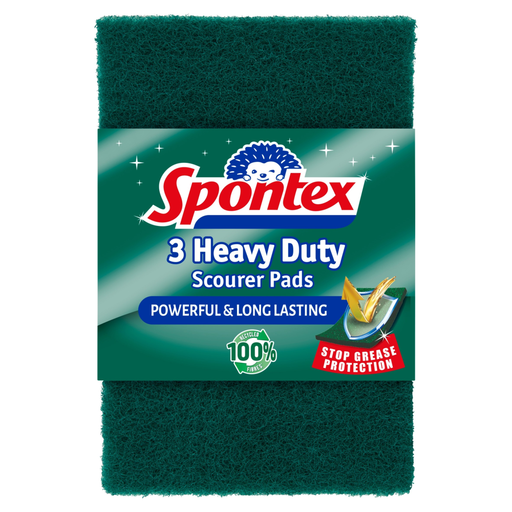
Why This Fits Their Persona: Suitable for households regularly cleaning oven racks, BBQ grills, baking trays and other robust kitchen equipment.
Its stated use is focused on tough cleaning rather than delicate cookware. The guidance specifically excludes non-stick, polished and delicate glass surfaces.
Three 10 × 15 cm pads; made with 100% recycled fibres; washable up to 60°C and suitable for cutting into smaller pieces.
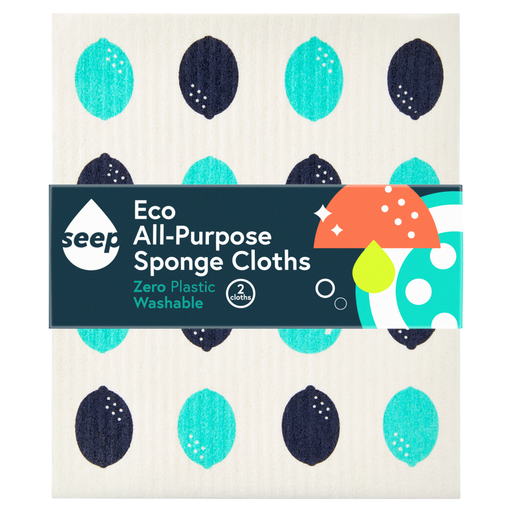
Why This Fits Their Persona: A practical choice for wiping worktops and spills while reducing reliance on disposable kitchen towels.
The stated material and care information is clear: plastic-free wood pulp, natural drying and washing in a machine or dishwasher.
Two-pack; plastic-free construction; listed as washable up to 300 times and compostable at the end of its life.
We have compiled a complete, real-time list of products that fully satisfy these strict selection criteria and UK safety regulations.
Replace them when they smell unpleasant, remain dirty after rinsing, lose their shape or show visible wear. The exact interval depends on use. Busy kitchens may require more frequent replacement than occasional household cleaning.
Only use a product specifically labelled as non-scratch and follow its instructions. Standard kitchen scourers and heavy-duty scourer pads may damage non-stick coatings. Test any unfamiliar product on a small, hidden area first.
They can reduce repeat purchases when they are washable and properly dried between uses. Compare the pack price, stated washing limits and care requirements rather than relying on the word “reusable” alone. A reusable cloth still needs replacing when worn or difficult to clean.