
24/7 Customer Support

Free returns

Same-day & Next-day Delivery

Quality Guaranteed

Unlock Your Welcome Offers: FREE Delivery | Up to 80% OFF | Free 30-day JoyPlus trial
Download the APP
Tackling the daily washing up requires more than just hot water and washing-up liquid. Using the wrong cleaning sponge can quickly turn a routine chore into an expensive kitchen mistake, particularly when delicate non-stick coatings, glassware, or polished induction hobs are involved. Kitchen sink duties span a wide variety of textures, from clearing everyday tea mugs and greasy plates to lifting stubborn, baked-on residues from Sunday roasting tins. Matching the right abrasive profile and sponge composition to each item protects your cookware while dramatically reducing elbow grease.
Selecting the ideal scourer comes down to understanding how different scouring materials interact with specific kitchen surfaces. Standard dual-action cellulose and synthetic sponges provide gentle daily foam, but when burnt-on grease strikes, specialised scouring pads with engineered fibres or coiled metallic strands become essential. This guide outlines the crucial purchasing factors to evaluate, highlights common cleaning mistakes to avoid, and matches top practical sponge and scouring pad options directly to your household washing habits.
The most widespread cleaning misstep in British kitchens is using an overly abrasive pad on delicate surfaces. Modern non-stick frying pans, enamelled cast iron, and smooth glass ovenware rely on delicate surface coatings that lose their food release properties when scratched by coarse metal fibres. Coarse scourers leave microscopic gouges that trap carbonised food and oil over time. Always ensure scourers intended for non-stick cookware explicitly feature non-scratch synthetic fibres or smooth metallic particle coatings designed specifically for coated surfaces.
Inexpensive open-cell foam sponges readily soak up excess cooking fats and gravies, creating a breeding ground for unpleasant sink-side odours. When a sponge matrix traps grease, it quickly transfers oil slicks back onto clean glassware and cutlery during washing up. Choosing scourers constructed with grease-resistant fibre matrices or rinsable metallic spirals prevents oily films from clinging inside the core, keeping your washing basin fresher for far longer.
Washing up involves sustained pressure against hard corners and curved edges. Thin, flat rectangular pads provide very little fingertip cushioning, frequently forcing your knuckles and nails against rough pan rims or baking trays. This leads to broken fingernails, rough skin, and hand fatigue. Opting for contoured profiles, thicker sponge cores, or pads with dedicated side grooves significantly improves handling, especially when dealing with slippery, sudsy washing-up bowls.
Different kitchen cleaning tasks require carefully calibrated friction levels to lift burnt debris without damaging underlying kitchen finishes.
Sponge shape directly influences control, grip stability, and comfort during repetitive dishwashing sessions.
Kitchen hygiene guidelines recommend changing out dishwashing sponges regularly to prevent bacterial spread across meal preparation zones.
Explore our handpicked recommendations tailored to meet various household cleaning workloads, from delicate non-stick pan maintenance to intensive bakeware scrubbing.
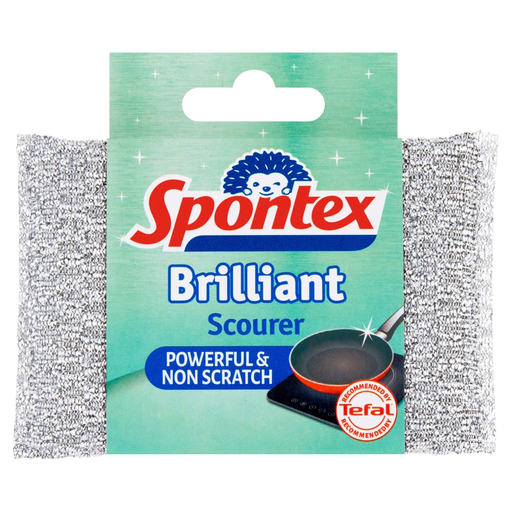
Why This Fits Their Persona: If you frequently cook with quality non-stick frying pans, delicate oven glassware, or ceramic baking dishes, this dedicated scourer delivers targeted stain removal without destroying your expensive cookware coatings. The supple fibres are coated with aluminium particles, giving you enough mechanical scrubbing power to lift burnt-on food residues smoothly without causing scratches.
It directly eliminates the risk of permanently ruining sensitive non-stick layers and cloudy glassware, which often happens when using harsh wire scourers. Because the scouring surface relies on supple fibres coated with aluminium particles, it glides across delicate surfaces while remaining resilient against dried food.
Its standout benefit is its unique aluminium-particle-coated fibre technology, which bridges the gap between gentle sponge cleaning and effective burnt-on stain removal for coated cookware.
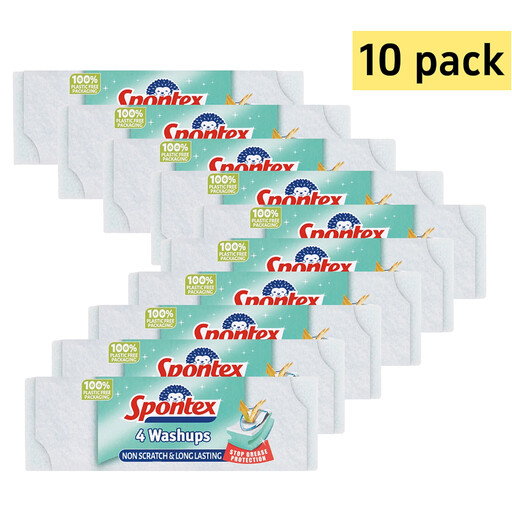
Why This Fits Their Persona: For busy households that get through frequent daily sink loads of plates, mugs, and saucepans, this substantial bundle provides forty reliable sponges divided across convenient packs. The sponge scourers clean non-stick pans safely while incorporating specialised nailguards along the sides to ensure a comfortable, secure grip even with soapy, wet hands.
It effectively prevents the common nuisance of greasy, foul-smelling sink sponges, as the scouring layer is constructed to actively resist grease build-up. Furthermore, the multi-pack comes in recyclable cardboard packaging, avoiding unnecessary excess plastic wrap in your kitchen cupboard.
The integration of built-in nailguard grip channels combined with grease-resisting non-scratch scouring makes it an exceptionally practical daily wash-up solution for family homes.
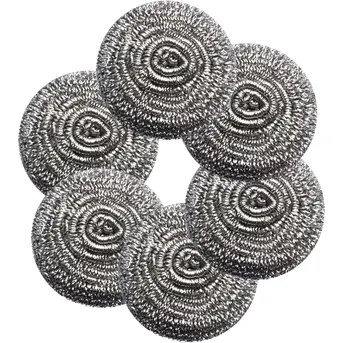
Why This Fits Their Persona: Ideal for keen home bakers, barbecue enthusiasts, and anyone battling stubborn carbon deposits on uncoated metal, this six-pack of silver steel wool pads delivers serious cleaning muscle. Measuring 3.14 inches in length, 3.14 inches in width, and 1.58 inches in thickness, each pad fits comfortably in the palm of your hand for targeted scouring on pots, pans, grills, and stainless steel sinks.
It solves the frustration of rigid scourers that snap or fail to reach tight pan corners, thanks to a tightly coiled, flexible steel wool design that compresses easily into deep roasting tray corners and grill grates. The reusable stainless steel construction resists premature unraveling under firm pressure.
Its compact 3.14 by 3.14 by 1.58 inch coiled silver steel wool profile provides maximum concentrated leverage for stripping burnt-on grease and baked-on grease from durable cookware.
If you need specialised microfibre cloths for streak-free glass polishing, long-handled bottle brushes, or heavy-duty outdoor scrubbing equipment, browse our full domestic cleaning range to complete your sink-side setup.
In an average household, standard daily washing-up sponges should be replaced every one to two weeks to maintain kitchen hygiene and prevent microbial accumulation. If a sponge begins to emit an odour, disintegrate, or lose its scouring grit earlier, swap it out straight away. You can prolong daily use by thoroughly rinsing out residual suds and food particles after every wash, then resting the sponge in an upright, well-ventilated holder to air-dry completely.
Steel wool and metal scouring pads should not be used on non-stick coatings, polished ceramic hobs, enamelled cast iron, or acrylic surfaces, as the metal coils will scratch and strip the protective layers. Instead, reserve flexible steel wool pads for uncoated stainless steel pots, heavy cast iron skillets, oven roasting racks, and barbecue grills. For non-stick and glass surfaces, always opt for designated non-scratch scourers.
After completing your washing up, squeeze the sponge thoroughly under hot running water with a drop of antibacterial washing-up liquid to expel trapped grease and oils. Wring out as much water as possible and allow the sponge to dry in a dry, draining caddy rather than leaving it sitting in a damp basin bottom. Avoid submerging metallic-coated scourers or steel wool pads in bleach, as strong oxidising chemicals can corrode the scouring fibres.