
24/7 Customer Support

Free returns

Same-day & Next-day Delivery

Quality Guaranteed

Unlock Your Welcome Offers: FREE Delivery | Up to 80% OFF | Free 30-day JoyPlus trial
Download the APP
If you are comparing collagen beauty products, it is easy to spend more than planned on attractive packaging, vague “youthful skin” promises or a formula that does not suit your diet. The useful distinction is between oral collagen supplements, such as powders, capsules and sachets, and topical products, including a collagen face mask or collagen ampoule.
This guide focuses on the details that affect everyday value: collagen source, serving size, format, allergens, added ingredients and how realistically a product fits your routine.
A product may highlight “low molecular weight” or a named collagen complex, but the label should also state the amount of collagen per serving. For comparison, the products listed here range from 5,000mg to 20,000mg per serving, while some capsules provide considerably less collagen per recommended serving.
A larger number is not automatically the right choice. Check the manufacturer’s directions, the number of servings per pack and the cost per daily serving before comparing prices.
A hydrogel mask or ampoule can leave skin feeling hydrated and refreshed because of its moisturising formula and occlusive sheet material. It should not be assessed in the same way as a dietary supplement. Topical products are applied to the surface of the skin, whereas powders and tablets are consumed as food supplements.
Look for the full ingredient list and usage instructions rather than relying on claims about deep absorption, permanent firmness or dramatic wrinkle reduction.
Marine collagen powder, marine capsules and many collagen tablets contain fish. They are not suitable for vegans and may not be suitable for anyone with a fish allergy. Bovine collagen peptides are generally unsuitable for people avoiding beef or animal-derived ingredients.
“Gluten-free” and “dairy-free” do not mean vegetarian or vegan. Always read the allergen statement, packaging and current product label before purchase.
Most products in this selection provide Type I collagen, commonly associated with skin, hair and nails. Some bovine formulas contain Types I and III. Marine formulas are usually fish-derived Type I collagen.
Hydrolysed collagen, also called collagen peptides, has been broken down into smaller peptide forms. This generally makes it easier to mix into drinks, but “hydrolysed” alone does not tell you how much collagen you are receiving.
Consider how you will use the product:
Compare the cost per serving rather than the tub or box price. A larger container may offer better value, but only if you are likely to use it consistently before its best-before date.
Vitamin C contributes to normal collagen formation under authorised nutrition claims, but it does not make every collagen product equivalent. Some formulas also contain hyaluronic acid, biotin, selenium, flavourings or sweeteners.
Food supplements should not replace a varied diet. Follow the stated intake, avoid combining multiple high-dose collagen supplements without appropriate advice, and consult a healthcare professional if you are pregnant, breastfeeding, taking medication or managing a medical condition. Check the current label because ingredients, directions and packaging can change.
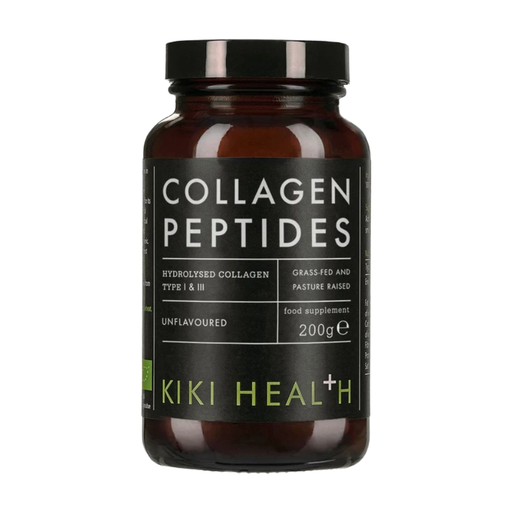
Why This Fits Their Persona: A straightforward starting format for adults who want a neutral powder without flavourings or preservatives. The stated daily portion is 9g and the powder can be mixed into hot or cold drinks.
The label states 9,000mg collagen per daily portion, making the intake easier to compare than an unspecified “beauty blend”.
9,000mg per stated portion; dissolves in hot or cold drinks; free from artificial additives and preservatives according to the listing.
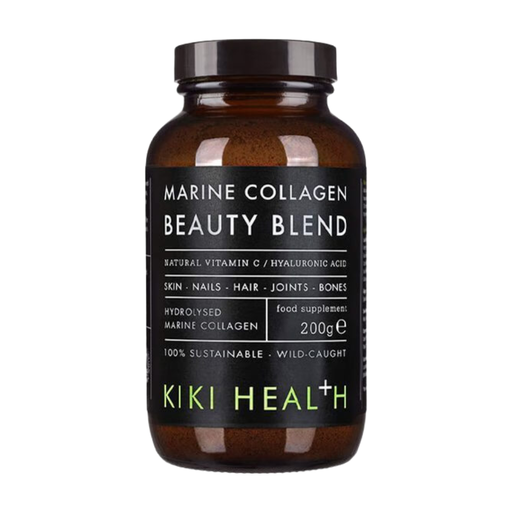
Why This Fits Their Persona: Suits shoppers seeking a marine source with additional ingredients and a clean-label approach. It provides hydrolysed marine collagen with vitamin C and is designed to mix into everyday drinks.
The ingredient list identifies fish-derived collagen and the added vitamin C, rather than hiding the formula behind a broad beauty claim.
5,000mg marine collagen and 50mg vitamin C per stated scoop; gluten-, dairy- and wheat-free according to the listing.
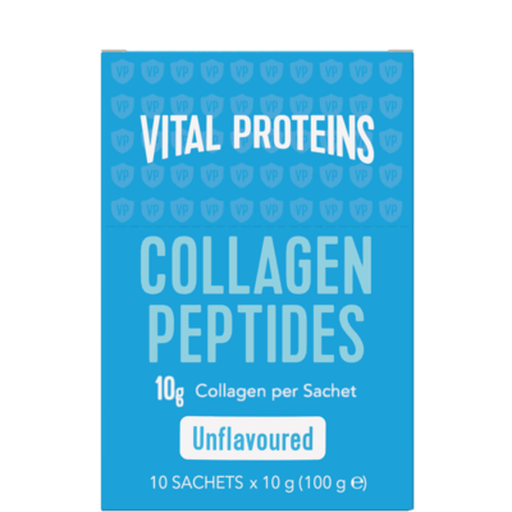
Why This Fits Their Persona: Single-serve sachets are practical for handbags, office drawers, hotel rooms and trips around the UK. Each sachet is portioned for one daily serving.
The 10g portion is pre-measured, reducing the need for a scoop and helping avoid inconsistent serving sizes.
10 sachets with 10g collagen per serving; unflavoured bovine collagen peptides; portable and easy to mix.
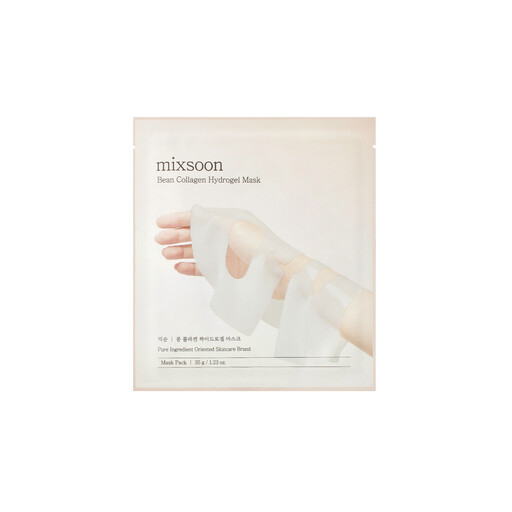
Why This Fits Their Persona: A five-mask pack suits a weekly skincare routine or a pre-event hydration step. The sheet is designed to sit on the face for one to three hours until it becomes transparent.
Its instructions clearly define external use, application time and the need to stop if persistent irritation occurs.
Five 35g hydrogel masks; includes glycerin, niacinamide and fermented extracts in the listed formula.
We have compiled a complete, real-time list of products that fully satisfy these strict selection criteria and UK safety regulations.
No. The supplements covered here are derived from fish or bovine sources. Marine collagen products are unsuitable for vegans and people with fish allergies. A vegan-labelled product would not contain collagen sourced from animals, so check the ingredient list carefully.
Start with the collagen amount per daily serving, then consider convenience. Powder can provide several grams in one drink, while capsules may require multiple units. Capsules are easier to carry and do not need mixing, but powders can be more flexible for coffee, smoothies or porridge. Also compare added vitamin C, sweeteners, flavourings and the number of servings in the pack.
A powder’s duration depends on its serving size and pack weight. For example, a 200g tub used at 5g daily lasts longer than one used at 10g daily. Sachets are easier to count, while masks are normally single-use. Store supplements in a cool, dry place and topical products away from direct sunlight, following the packaging instructions.