
24/7 Customer Support

Free returns

Same-day & Next-day Delivery

Quality Guaranteed

Unlock Your Welcome Offers: FREE Delivery | Up to 80% OFF | Free 30-day JoyPlus trial
Download the APP
Collagen supplements are available in powders, sachets, tablets, capsules, effervescent drinks and gummies. That variety can make comparison difficult, particularly when packaging focuses on phrases such as “premium”, “high absorption” or “beauty support”.
The right choice depends less on the front of the pack and more on the collagen source, amount per serving, format, allergens and added ingredients. This guide explains the practical details to check before buying collagen supplements in the UK, followed by product recommendations matched to different shopping priorities.
A large tub does not automatically provide a high daily intake. Compare the grams of collagen peptides per serving, not just the net weight. A 300g powder with a 10g serving provides approximately 30 servings, while a smaller pack with a lower serving size may last longer than expected.
Also check whether the stated serving is one scoop, two capsules or multiple gummies. This makes cost-per-serving comparisons more meaningful.
Hydrolysed collagen peptides have been broken down into smaller peptide chains, which generally makes them easier to dissolve and convenient to mix. However, the word does not guarantee a particular visible or physical outcome.
Look for transparent labelling that identifies the collagen source, collagen type and quantity per serving. Be cautious with descriptions that make medical, anti-ageing or guaranteed transformation claims.
Marine collagen is derived from fish and is unsuitable for people with fish allergies. Some flavoured powders contain sweeteners, acids, flavourings or milk-derived ingredients. Gummies may also contain sugars or glucose syrup, while combination tablets can include vitamin C, hyaluronic acid, biotin or selenium.
Always read the ingredients, allergen declaration and directions on the product label supplied with your order. If you are pregnant, breastfeeding, taking medication or managing a medical condition, seek advice from a healthcare professional before use.
Marine collagen is usually sourced from fish, often providing Type I collagen peptides. It may suit shoppers who prefer a non-bovine source, but fish allergen labelling is essential.
Bovine collagen is commonly made from cattle-derived collagen and may contain Type I and Type III peptides, depending on the product. It can be a practical option for people who want a neutral powder for drinks or meals, provided they are comfortable with the source.
Neither source should be selected solely because of a marketing claim. Prioritise the ingredients, serving information and your dietary requirements.
Collagen with vitamin C may appeal to shoppers who want a combination formula. Vitamin C contributes to normal collagen formation, while other ingredients have their own permitted nutritional functions. Check the amount per serving and avoid unintentionally doubling up with another beauty or multivitamin product.
For maximum flexibility, choose a powder with no added flavour. If taste is important, fruit or dessert-inspired options can make consistent use easier, provided the sweeteners and allergens suit you.
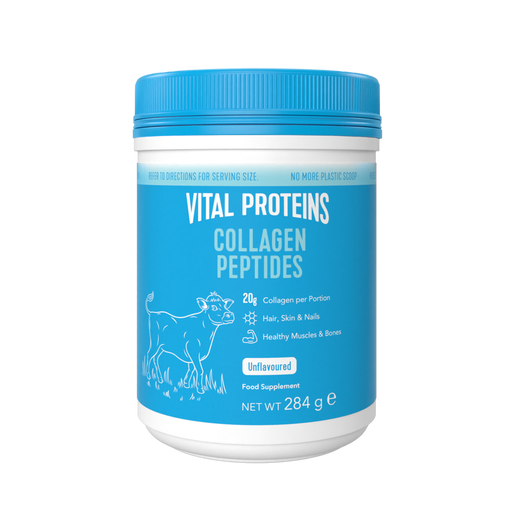
Why This Fits Their Persona: A straightforward starting option for UK adults who want a neutral bovine collagen powder without added flavour or sweetener.
The label identifies bovine collagen peptides and a 10g serving, rather than relying only on broad beauty wording.
Unflavoured, dairy-free and gluten-free according to the listing; mixes with hot or cold drinks.
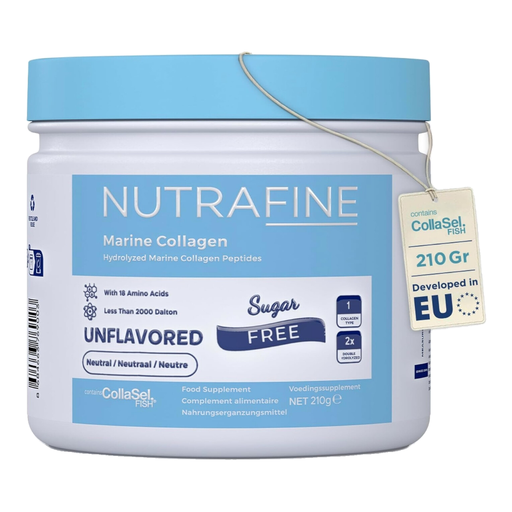
Why This Fits Their Persona: Suitable for shoppers who prefer marine collagen and want an unflavoured powder for daily drinks or meals.
The listing clearly states fish-derived collagen and a 10g serving, helping buyers assess source and quantity.
Contains hydrolysed marine collagen peptides and is described as tasteless and odourless.
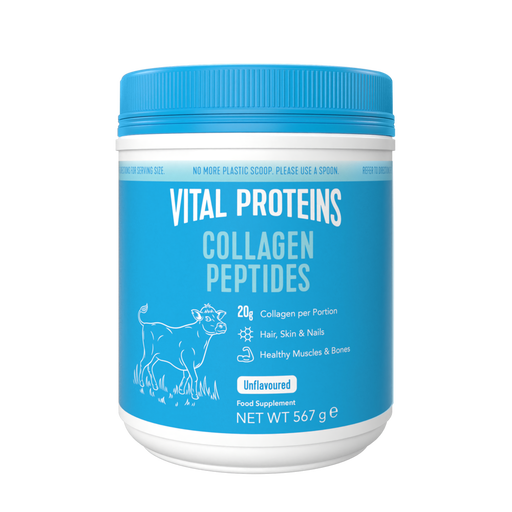
Why This Fits Their Persona: A larger format for adults who already have a regular routine and prefer fewer repurchases.
The product lists 20g of collagen per serving and provides a large 567g container for straightforward portion planning.
Pure bovine collagen peptides with no added flavour; suitable for hot or cold liquids.
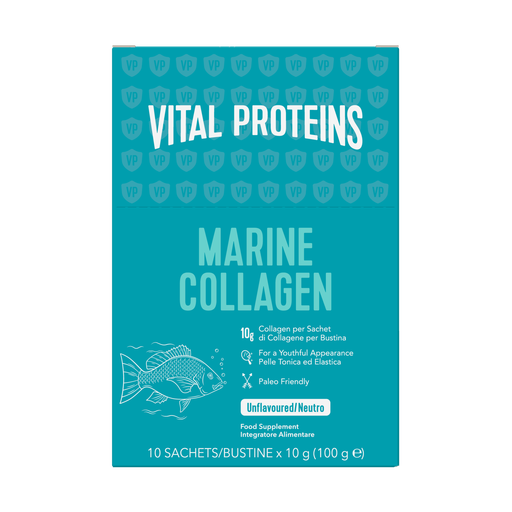
Why This Fits Their Persona: Individual servings suit commuters, frequent travellers and gym users who want a measured marine collagen portion.
Each sachet contains 10g, avoiding the guesswork associated with estimating an unmarked scoop.
Portable single-serve packaging and a soluble fish-derived collagen peptide formula.
We have compiled a complete, real-time list of products that fully satisfy these strict selection criteria and UK safety regulations.
Follow the serving instructions on the product label. Powders are usually stirred into water, coffee, juice, smoothies or yoghurt, while sachets are pre-portioned for mixing. Capsules and gummies should be taken only at the stated daily amount. Do not combine several collagen products without checking the total intake and added nutrients.
Divide the net weight by the recommended daily serving. For example, a 300g tub used at 10g per day provides approximately 30 servings. A product with a 20g daily serving will be used more quickly. Store opened powder in a cool, dry place and follow the best-before and storage instructions.
No. Many marine collagen products contain fish, and some flavoured products contain milk or other allergens. Food supplements should not replace a varied, balanced diet and healthy lifestyle. People who are pregnant, breastfeeding, under 18, taking medication or living with a medical condition should ask a healthcare professional before use.